SH0CKING: What Will the Disturbing Truth Behind the Death of Whale Trainer Jessica Reveal?
In recent days, a viral video claiming to depict the tragic death of a whale trainer named Jessica Radcliffe has swept across social media platforms, sparking widespread alarm and speculation. The footage, which allegedly shows a 23-year-old marine trainer being fatally attacked by an orca during a live performance, has been viewed millions of times on TikTok, Facebook, and YouTube. Dubbed the “Jessica Dolphin Accident” in some circles, the story has raised questions about the safety of marine trainers and the ethics of keeping orcas in captivity. But what is the truth behind this shocking narrative? Did the orca, often referred to as a dolphin in some posts, act with intent? Experts have analyzed the incident, and their findings reveal a disturbing reality: the entire story is a fabrication.
The Viral Hoax: Unraveling the Jessica Radcliffe Story
The video that sparked this frenzy claims to show Jessica Radcliffe, a young marine trainer, being mauled by an orca during a performance at a marine park, reportedly named Pacific Blue Marine Park. Some versions of the story even suggest that the attack was triggered by menstrual blood in the water, a detail designed to heighten emotional impact. The footage, filled with dramatic scenes and chaotic aquarium settings, has fueled fear and curiosity among viewers. However, a closer examination by experts and fact-checkers has revealed that no such incident occurred, and Jessica Radcliffe does not exist.
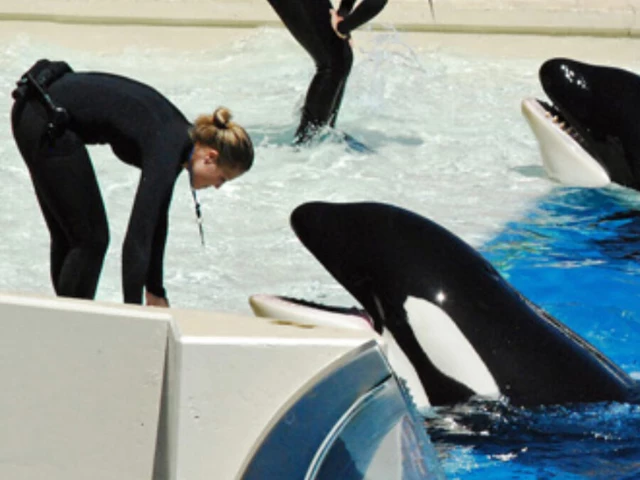
According to multiple reports, including those from E! Online and Hindustan Times, the video is an AI-generated fabrication, combining manipulated archival footage with synthetic voices to create a convincing but entirely false narrative. There are no official records, news reports, obituaries, or statements from marine parks or safety authorities confirming the existence of Jessica Radcliffe or the alleged attack. The name itself appears to be a fabrication, likely chosen to lend credibility to the hoax. Experts have noted that the video contains telltale signs of AI manipulation, such as unnatural movements and inconsistencies in the footage, which are common in computer-generated content.
Why the Hoax Gained Traction
The “Jessica Radcliffe” story spread rapidly due to its emotional and sensational nature. Social media platforms thrive on dramatic content, and this fabricated incident played on real fears about the dangers of working with captive orcas. The hoax drew inspiration from documented tragedies, such as the deaths of trainers Alexis Martínez in 2009 and Dawn Brancheau in 2010, both killed by orcas in captivity. These real incidents, particularly Brancheau’s death, which was explored in the 2013 documentary Blackfish, lent an air of plausibility to the fake story. By weaving in familiar elements, such as a marine park setting and an orca attack, the hoax resonated with audiences already aware of past tragedies.
Moreover, the inclusion of shocking details, like the claim about menstrual blood, was a deliberate tactic to evoke strong emotional reactions. According to the International Business Times, such details are often used in fake stories to amplify their impact and encourage sharing. The lack of specific details about the location, date, or marine park involved further underscores the story’s falsity, as credible incidents would typically be accompanied by verifiable information.
The Real Dangers: Lessons from Past Tragedies
While the Jessica Radcliffe story is a hoax, it draws attention to the very real risks faced by orca trainers. Historical incidents highlight the dangers of working with these powerful, intelligent animals in captivity. In 1991, Keltie Byrne, a 21-year-old trainer, was drowned by three orcas at Sealand of the Pacific in Canada. In 1999, Daniel Dukes, a park visitor, was found dead in an orca tank at SeaWorld Orlando. In 2009, Alexis Martínez was killed by an orca named Keto at Loro Parque in the Canary Islands. Most notably, in 2010, Dawn Brancheau was dragged underwater and killed by Tilikum, a notorious orca at SeaWorld Orlando. These incidents, unlike the Jessica Radcliffe hoax, are well-documented and have sparked significant debate about the ethics of keeping orcas in captivity.

Experts argue that orca aggression in captivity is often a result of psychological stress caused by confinement. Unlike in the wild, where orcas swim vast distances and live in complex social groups, captive orcas are confined to small tanks, leading to frustration, boredom, and abnormal behaviors. These include damaged teeth from chewing on tank walls, collapsed dorsal fins, and aggressive interactions with other orcas or humans. Former SeaWorld trainer Jeff Ventre has described such attacks as “manifestations of stress, even madness,” in animals forced into unnatural conditions.
Did the Orca Know What It Was Doing?
The question of whether an orca could “know” what it was doing in an attack is complex and not applicable to the Jessica Radcliffe hoax, as no such incident occurred. However, in real cases, experts suggest that orcas, being highly intelligent and social animals, do not attack humans in the wild. The aggression seen in captivity is likely a response to the unnatural environment rather than a deliberate intent to harm. Orcas in captivity may exhibit predatory behaviors, such as grabbing and holding trainers underwater, but these actions are driven by stress, not malice. The Blackfish documentary emphasized that Tilikum’s actions in the Brancheau case were predatory but not necessarily intentional in the human sense.
The Impact of the Hoax and Moving Forward
The viral spread of the Jessica Radcliffe hoax underscores the challenges of combating misinformation in the digital age. Social media platforms amplify sensational stories, and the lack of critical scrutiny from viewers allows hoaxes to flourish. This incident also highlights the importance of verifying sources before sharing content. Reputable news outlets, such as BBC, ABC, and CNN, have not reported any incident involving Jessica Radcliffe, further confirming its falsity.
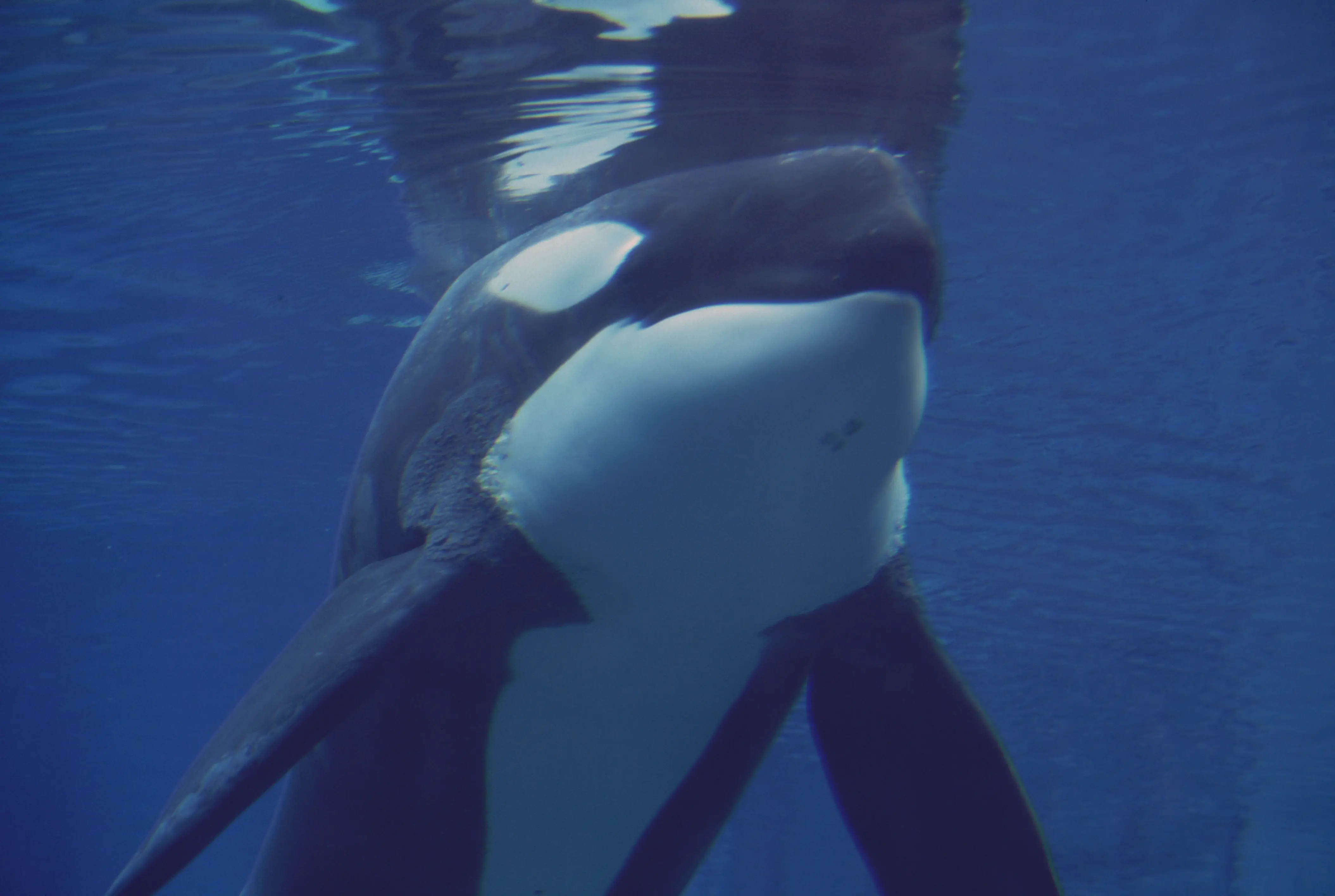
The hoax has also reignited discussions about the ethics of marine parks. The real tragedies of the past, coupled with the Blackfish effect, led to significant changes, including SeaWorld’s decision to end its orca breeding program and theatrical shows in 2016. Public awareness of the risks to trainers and the welfare of captive orcas continues to grow, prompting calls for improved safety measures and a shift away from keeping these animals in captivity.
Conclusion
The shocking story of Jessica Radcliffe’s alleged death is a stark reminder of the power of misinformation. While the viral video captivated millions, it was nothing more than an AI-generated hoax designed to exploit real fears and tragedies. Experts have debunked the story, finding no evidence of a trainer named Jessica Radcliffe or an attack at Pacific Blue Marine Park. However, the hoax draws attention to the genuine dangers faced by orca trainers and the ethical questions surrounding marine captivity. By learning from past tragedies and questioning sensational narratives, we can better navigate the complex relationship between humans and these majestic creatures.