A Fracture at the Top of MAGA: Inside the Sudden, Public Breakdown Between Donald Trump and Elon Musk
In the span of a single afternoon, a political partnership once considered one of the most influential in American conservative politics veered into open conflict. What began as a terse policy disagreement between President Trump and billionaire industrialist Elon Musk spiraled into a public rupture, punctuated by explosive online accusations, threats of federal retaliation, and a sudden resurgence of scrutiny surrounding the long-delayed Epstein files.

The immediate trigger was a since-deleted post on X, Musk’s own platform, in which he claimed — without presenting evidence — that President Trump’s name appeared in sealed Epstein documents. The claim, brief but incendiary, ignited a firestorm across social media and fed into months of speculation about why the administration has resisted releasing the files despite repeated calls from members of Congress. Within hours, the clip of Musk’s comments was trending across platforms, eclipsing the administration’s messaging and throwing the MAGA coalition into rare disarray.
Trump responded swiftly and sharply. According to two senior officials, the president was “visibly enraged” when informed of the post, interpreting it not as a political disagreement but as a personal betrayal. Trump, who has relied on Musk both financially and symbolically, reportedly told aides that Musk had “crossed a line,” before publicly threatening to terminate federal contracts and subsidies connected to Musk’s companies. The response marked one of the clearest instances yet of the president hinting at deploying government power against a private individual who had publicly criticized him.
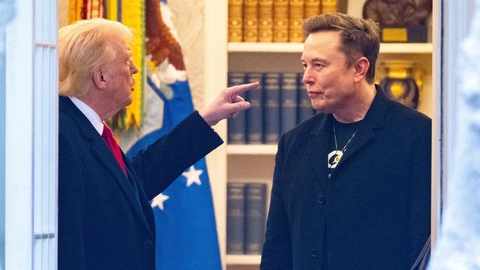
Political observers note that the rupture did not emerge in isolation. For months, the relationship between the two men had been deteriorating over Musk’s criticism of the administration’s sweeping spending package, which he argued would weaken the economy and risk a recession. According to people familiar with their conversations, Trump interpreted Musk’s critiques not as policy disagreements but as signs of disloyalty — an issue that has consistently provoked forceful responses throughout Trump’s political career.
What Musk posted next, however, shifted the story from a dispute over fiscal policy into a crisis clouded by secrecy, personal resentment, and unanswered questions. His suggestion that Trump’s name was included in the unreleased Epstein files echoed past reporting that top officials had reviewed the material privately and raised concerns internally. Several aides, speaking on background, confirmed that discussions about whether to release the documents have been ongoing since early 2025, with disagreements emerging at the highest levels of government.
The Justice Department, for its part, recently asserted in a memo that Epstein engaged in no blackmail operations and left behind “no client list,” a claim that has done little to quell speculation. The memo’s release, coming only weeks after reports of tense conversations between Attorney General Pam Bondi and the president over the same issue, has only deepened suspicion among the administration’s critics and fueled the perception of a slow-moving cover-up.

Musk’s post, though deleted, added new momentum to those narratives. Advisers to the president, speaking off the record, acknowledged that the accusation has complicated the administration’s broader strategy heading into the midterm cycle, particularly at a moment when the president’s approval rating sits in the mid-30s. “This is not the fight anyone wanted,” one senior Republican strategist said. “But now it’s out there, and people are asking questions.”
The broader political implications are substantial. Trump’s threat to wield federal power against a wealthy critic has already drawn comparisons to similar episodes over the past year involving congressional investigators, federal judges, and internal whistleblowers. Each episode has intensified concerns about the administration’s increasingly aggressive posture toward dissent, raising alarms among constitutional scholars and former DOJ officials who warn that such actions risk eroding long-standing democratic norms.
For Musk, meanwhile, the episode underscores the limits of influence even for one of the world’s wealthiest individuals. His decision to delete the post suggests an awareness of the precariousness of challenging a president who has demonstrated a willingness to retaliate. Yet the damage may already be done: the allegation — archived, reposted, debated, dissected — has entered the bloodstream of American political discourse, where it will remain regardless of whether Musk chooses to elaborate further.
As the two men retreat into their respective camps, the fallout continues to ripple through a movement already strained by internal divisions, contradictions in messaging, and the pressures of governing. What remains clear is that the showdown has opened a window into the fragile alliances that hold political coalitions together — and how quickly those bonds can fracture when power, loyalty, and personal grievances collide.
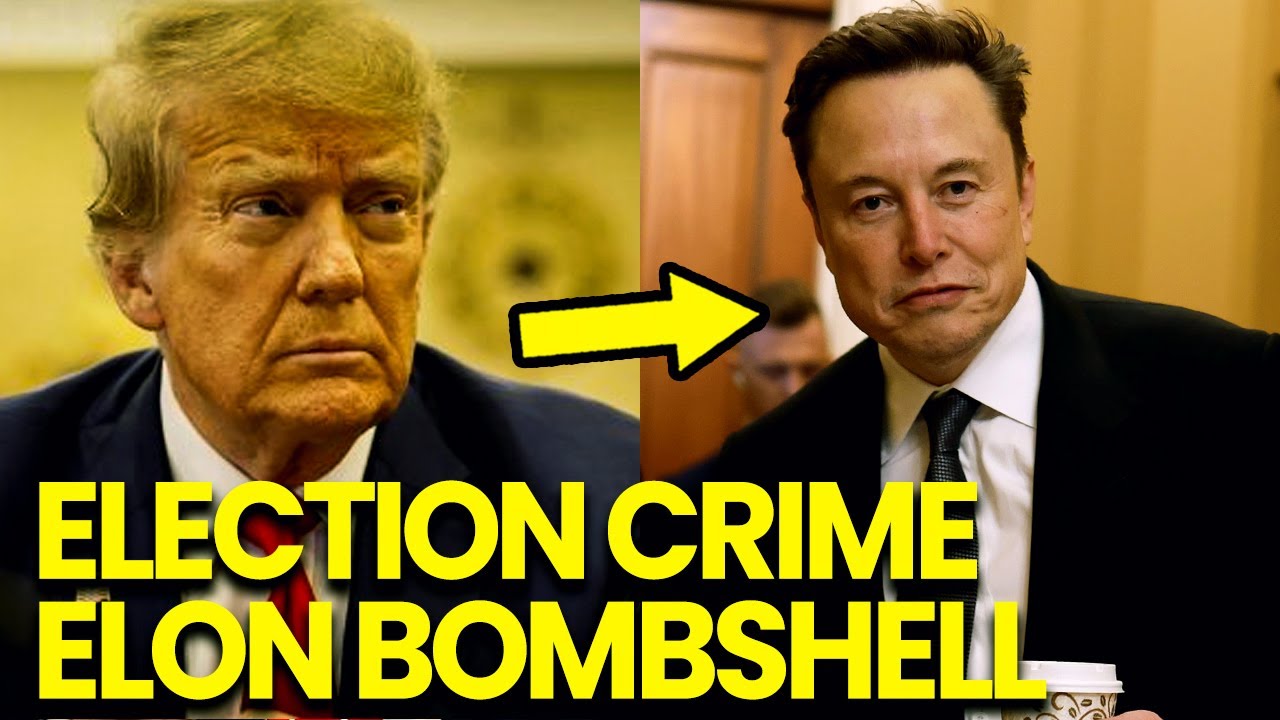
Whether the dispute marks a temporary rupture or the beginning of a more permanent realignment within the MAGA coalition remains to be seen. But for now, the country is left watching an extraordinary clash unfold between two of its most influential figures, each wielding enormous power, each insisting the other has overstepped.
And as the controversy deepens — with investigations stalled, documents unreleased, and public trust eroding — one question lingers over Washington: what comes next?