Economic Strain and Health Care Fears Are Testing Republican Dominance in Alabama.
What unfolded at a recent town hall in Alabama was not a spontaneous outburst, nor was it an isolated incident. It was, rather, a public moment in which private frustrations finally surfaced — a visible crack in a political landscape long assumed to be immovable.
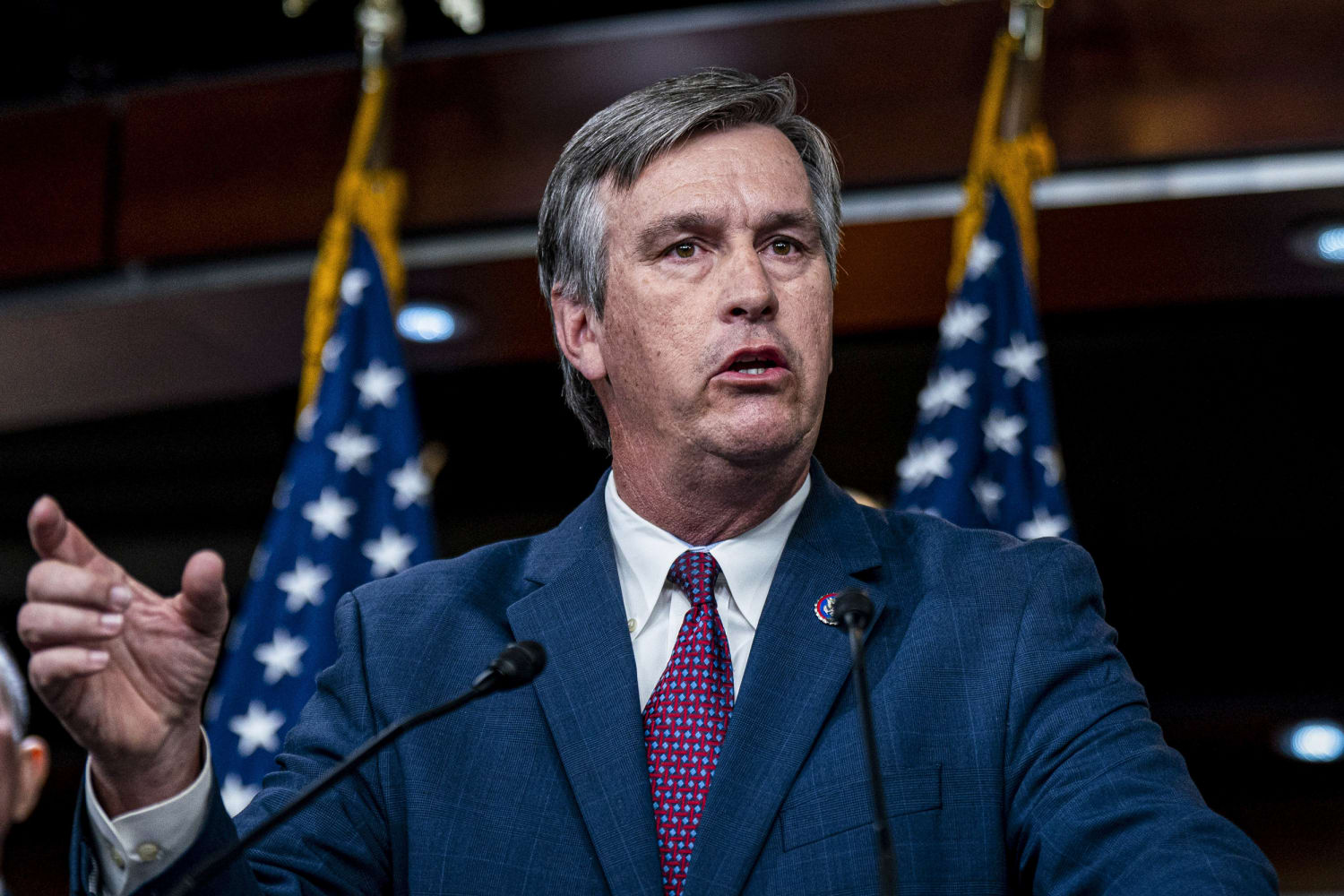
Representative Barry Moore, a Republican closely aligned with President Donald Trump, faced a room of constituents who were no longer content with applause lines or deflections. Boos echoed through the hall as voters pressed him on tariffs, rising electricity bills, health care costs, and a broader sense that the promises made by this administration had failed to materialize in their daily lives. The scene, captured on video and widely shared online, offered a rare glimpse of dissent in a state often portrayed as uniformly loyal to Republican leadership.
The questions were basic, even elementary. Who actually pays tariffs? Why are insurance premiums rising as Affordable Care Act subsidies approach expiration? Why does Alabama, a state rich in energy infrastructure, have some of the highest electricity bills in the nation? The answers, or lack thereof, only sharpened the frustration. When Moore attempted to cite reports downplaying inflation, the audience pushed back, unmoved by national talking points that clashed with their grocery receipts and utility bills.
The economic pressures are real and measurable. Alabama Power customers pay among the highest average residential electric bills in the country, a consequence of high consumption, aging infrastructure, and regulatory decisions that critics say favor monopoly utilities. At the same time, hospitals across the state are under acute financial strain. According to the Alabama Hospital Association, the impending expiration of premium tax credits could leave more than 100,000 residents without health insurance — a shift that would ripple through emergency rooms, rural clinics, and already fragile health systems.
These stresses arrive as federal pandemic relief funds dry up. For several years, Alabama relied heavily on temporary COVID-era money to plug budget gaps and finance large projects, including prison construction. With those funds gone, state leaders now face slower revenue growth and the prospect of tighter budgets. Schools, social services, and public health agencies may soon be forced to do more with less.
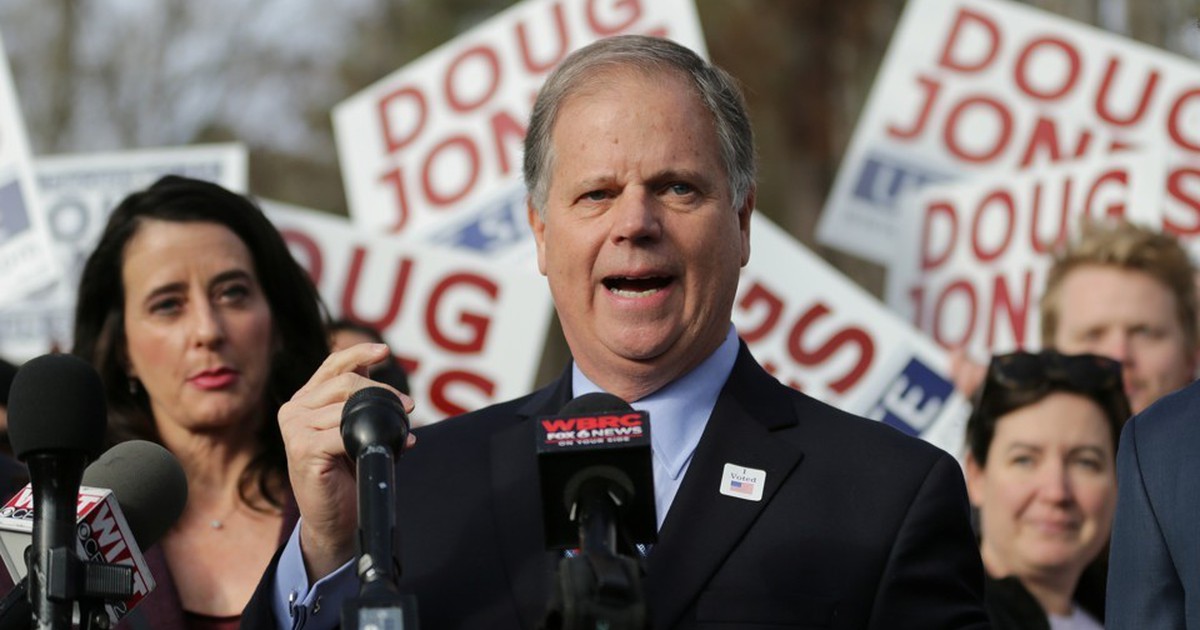
Into this environment steps Doug Jones, the former Democratic senator who announced a campaign for governor. In an interview following the town hall fallout, Jones argued that what Alabama is experiencing is not a mystery but a consequence of long-standing policy choices. He pointed to the state’s refusal to expand Medicaid, its dependence on federal stopgap funding, and trade policies that have cost farmers access to overseas markets. Soybean producers, he noted, have been particularly hard hit by tariffs that invited retaliation and reduced demand.
Jones’s strategy, as he describes it, is less about ideology than connection. He speaks of meeting voters where they are, of listening rather than lecturing, and of rebuilding a Democratic presence that has largely vanished from statewide office since 2010. His challenge is formidable: Alabama remains deeply Republican, and Senator Tommy Tuberville, the likely Republican nominee, enjoys strong name recognition and party loyalty.
But Tuberville’s record, and his rhetoric, are increasingly under scrutiny. Comments suggesting that the detention of U.S. citizens during immigration raids is an acceptable “mistake” have drawn criticism from veterans’ groups and civil rights advocates. His statements about Muslims and immigrants have reinforced an image of a politician more comfortable dividing than governing. For Jones, this contrast is central to his campaign: unity versus grievance, policy versus provocation.
What makes the Barry Moore town hall notable is not simply the anger on display, but its source. These were not protesters imported from outside the district; they were constituents asking how policy decisions made in Washington and Montgomery had translated into higher bills and fewer options at home. In a state where party identity has long outweighed policy outcomes, that shift matters.
Whether this moment signals a broader political realignment remains uncertain. Alabama’s partisan habits are deeply ingrained, and frustration does not always translate into votes. But the scene suggested something has changed: a willingness, however tentative, to connect personal hardship with political accountability.
For years, Republican leaders in Alabama have argued that their ideas work — that low taxes, limited government, and cultural conservatism would deliver prosperity. The report card, as one observer put it, now looks less convincing. Rising costs, shrinking coverage, and economic uncertainty have a way of cutting through ideology.
The town hall ended, the boos faded, and the cameras moved on. But the questions linger — unanswered, and increasingly difficult to ignore.