Washington — What was promoted as a triumphant moment for former President Donald J. Trump’s economic message has quickly turned into a reckoning, as newly highlighted labor data and broader economic signals complicate claims of an “A-plus economy.” The episode underscores a widening gap between political rhetoric and the more nuanced, and in some cases troubling, indicators emerging beneath the surface of the U.S. economy.
The flashpoint came after Mr. Trump and his allies pointed to headline figures — steady growth, resilient consumer spending and cooling inflation — as evidence of economic strength. Those assertions gained traction on conservative media, where the economy was framed as stable and even booming despite global uncertainty. But within days, a closer look at labor statistics began circulating online, drawing attention to trends that painted a less reassuring picture.
The latest employment data showed continued job creation, but also revealed slower hiring momentum, persistent underemployment and signs of strain in sectors that had previously driven growth. Wage gains, while still positive, have moderated, and labor force participation has remained uneven across demographic groups. Economists caution that these details matter as much as the topline numbers.
“Headline employment figures can look healthy while underlying conditions deteriorate,” said Julia Reinhart, a labor economist at the Brookings Institution. “If job growth is concentrated in fewer sectors or workers are taking multiple part-time roles to make ends meet, that tells a very different story than the one suggested by a single unemployment rate.”
Compounding the uncertainty are mixed signals from the Federal Reserve. While inflation has eased from its peak, Fed officials have repeatedly emphasized that interest rates are likely to remain higher for longer, reflecting concerns about price stability and long-term economic resilience. Recent Fed minutes pointed to growing unease over household debt levels and the risk that elevated borrowing costs could eventually dampen consumer spending.
Those concerns have resonated with many workers, whose experiences often diverge sharply from optimistic political messaging. On social media, clips dissecting the labor data spread rapidly, accompanied by personal accounts of stagnant pay, rising credit card balances and difficulty finding full-time work with benefits. The contrast between official claims and everyday reality fueled skepticism across ideological lines.
“This disconnect is what’s driving the backlash,” said Mark Feldman, a political communications analyst. “When voters are told the economy deserves an A-plus, but they’re struggling to cover rent or healthcare, the message collapses under its own weight.”
Mr. Trump has long made economic performance a central pillar of his political identity, frequently citing stock market gains and growth metrics as validation of his leadership. Supporters argue that structural challenges in the labor market predate him and reflect global forces beyond any single administration’s control. They also point out that no recession has materialized, despite repeated predictions to the contrary.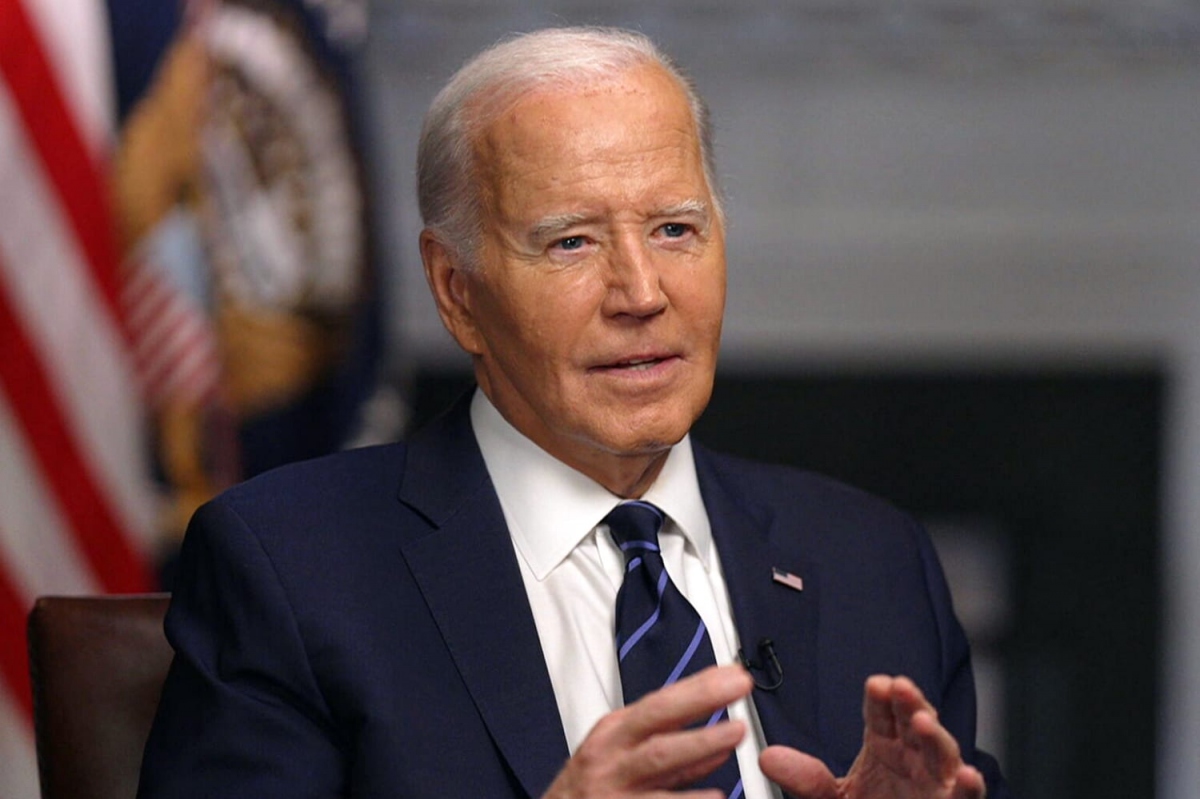
Still, critics say the current debate highlights a broader issue in American economic discourse: the tendency to rely on selective data points while ignoring warning signs. Rising federal debt, increased reliance on credit among lower- and middle-income households, and slowing productivity growth have all raised red flags among analysts, even as headline indicators remain relatively strong.
The controversy has also drawn attention to how economic narratives are shaped and amplified in the digital age. Short video clips, stripped of context, can quickly elevate or undermine political claims, often faster than traditional media can respond. In this case, what began as a celebratory sound bite was rapidly reframed as evidence of spin, not substance.
As scrutiny intensifies, economists stress that the economy is neither collapsing nor thriving in the simplistic terms often used in political debate. Instead, they describe a complex landscape marked by resilience in some areas and vulnerability in others — a reality that defies easy grading.
“The truth is more complicated than an A or an F,” Ms. Reinhart said. “And voters are increasingly aware of that.”
With credibility at stake and economic anxiety lingering, the episode serves as a reminder that narratives built on selective optimism are especially fragile when confronted with data — and lived experience — that tell a more complicated story.