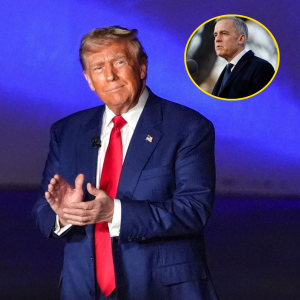
Democrats Accuse Trump of Reckless, Unlawful Intervention in Venezuela as U.S. Forces Seize Maduro
WASHINGTON — In a dramatic escalation of U.S.–Latin American tensions, President Donald Trump’s surprise military operation in Venezuela and the capture of President Nicolás Maduro have drawn fierce condemnation from Democratic lawmakers, legal scholars, and allied nations, intensifying a bitter debate over presidential war powers, international law, and the country’s priorities at home.
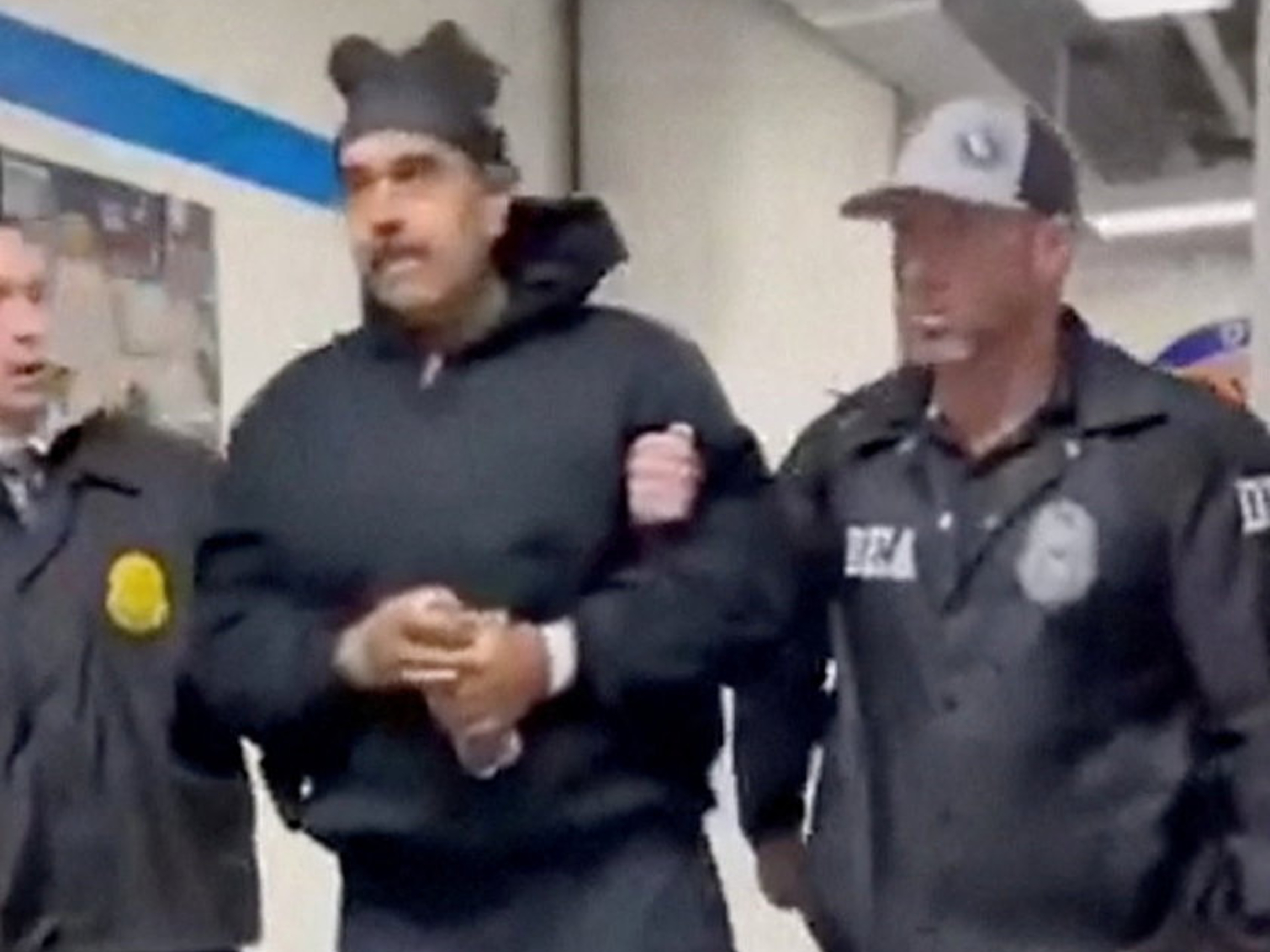
In the early hours of Saturday, U.S. forces struck multiple targets in Venezuela, culminating in the capture of Maduro and his wife. The Venezuelan leader was flown to the United States to face charges in federal court in New York, while Mr. Trump announced that Washington would “run” Venezuela during a transition period and seek to exploit the country’s vast oil resources. (CBS News)
The operation marks one of the most significant U.S. military interventions in Latin America in decades, and has sparked alarm among many Democrats on Capitol Hill.
Democrats Denounce Operation as ‘Unlawful and Reckless’
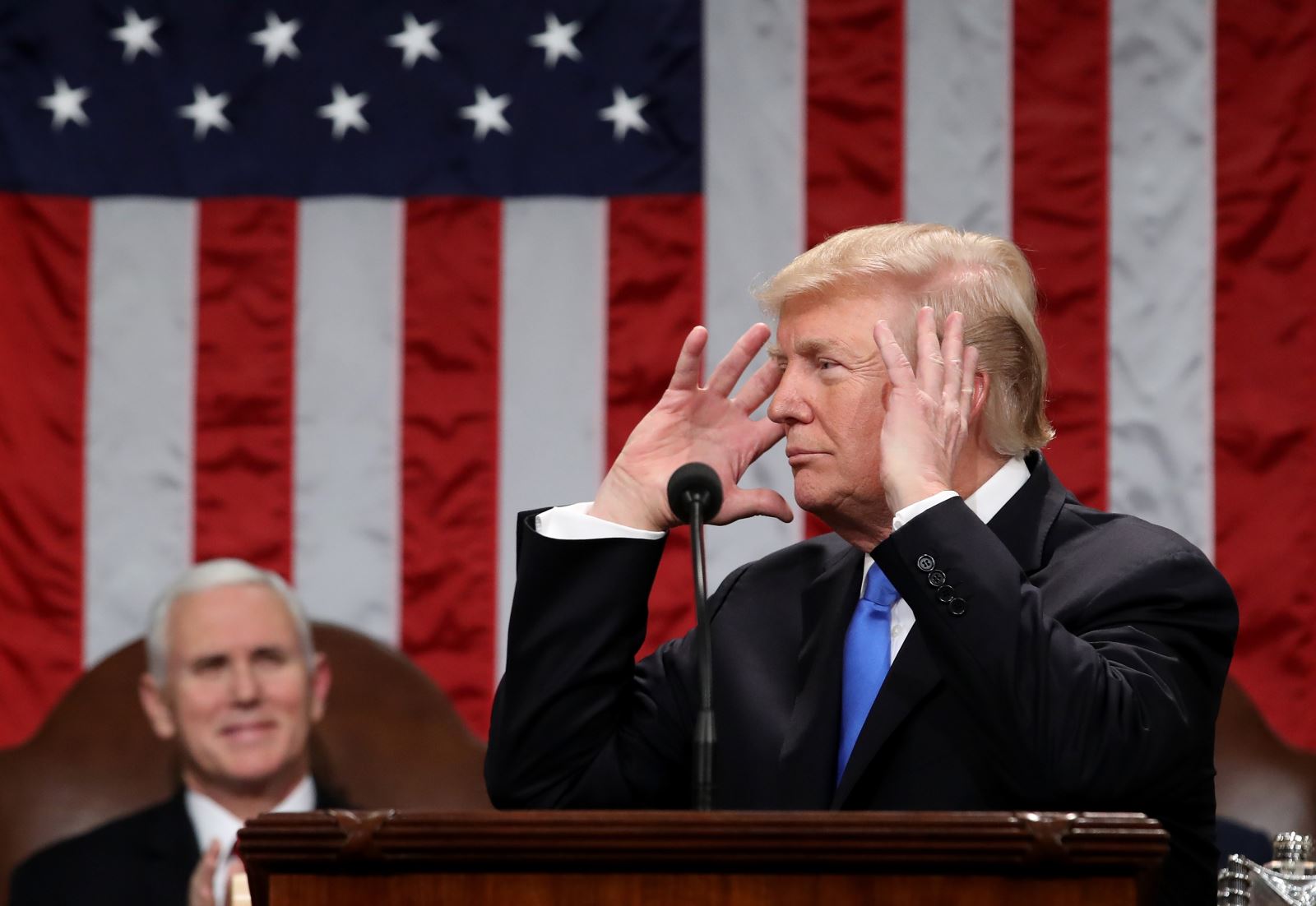
Senior Democrats condemned the decision almost immediately, accusing the Trump administration of bypassing Congress and violating both U.S. constitutional norms and international law.
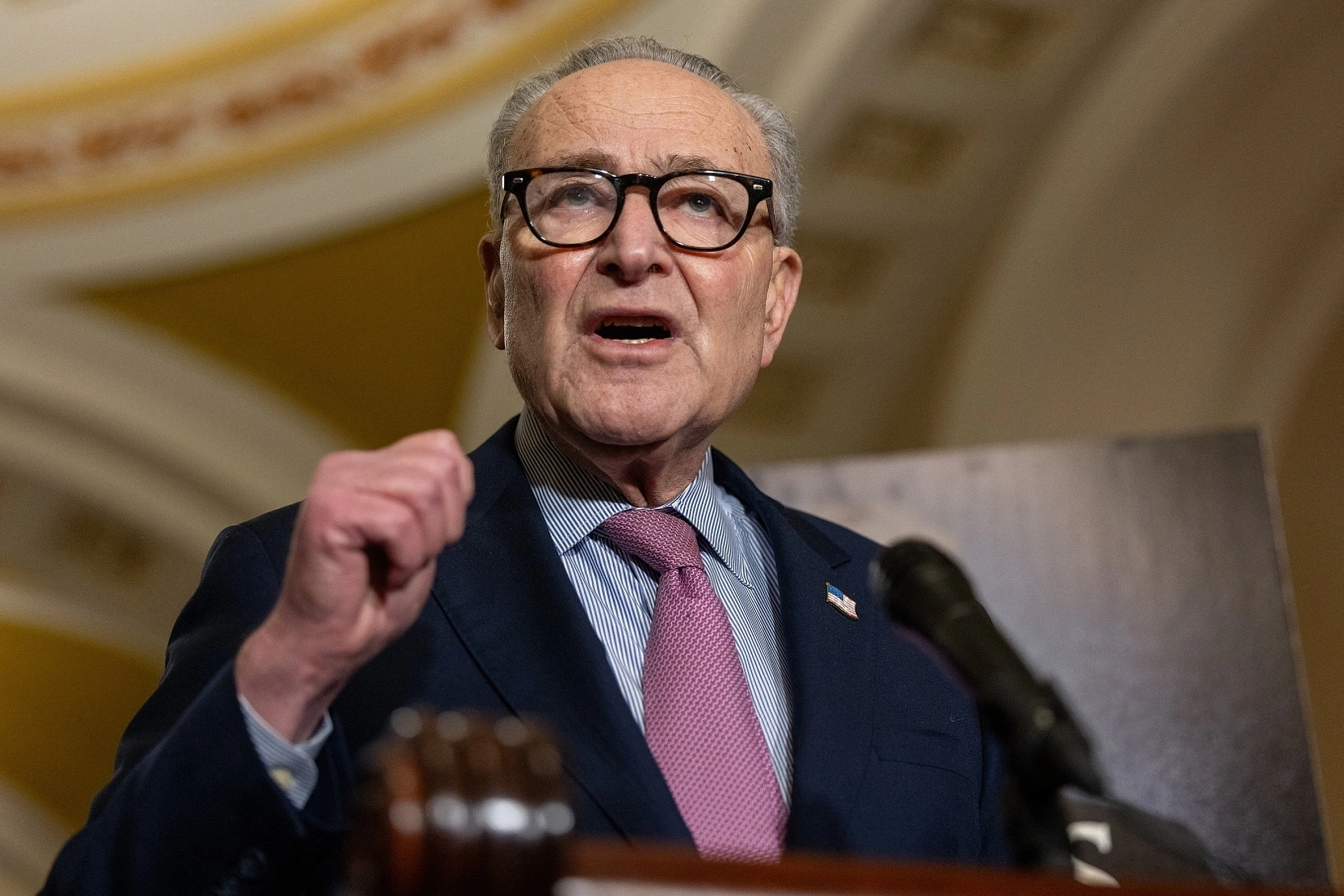
House Minority Leader Hakeem Jeffries said that while Maduro is a “criminal and authoritarian dictator,” the president “has the constitutional responsibility to follow the law and protect democratic norms.” Jeffries and Senate Minority Leader Chuck Schumer argued that launching military action without congressional authorization is “reckless” and undermines constitutional safeguards. (CBS News)
Former Vice President Kamala Harris went further, calling the operation “unlawful and unwise,” and suggesting that its real objective was not counter-narcotics or democracy promotion but control of Venezuelan oil — a claim echoed by numerous critics. “[Maduro] is a brutal, illegitimate dictator,” Harris wrote, “but this action…does not make America safer, stronger, or more affordable.” (New York Post)
Other prominent Democrats explicitly linked the intervention to what they view as Mr. Trump’s broader pattern of failing to address pressing domestic issues while pursuing foreign conflicts. “This is not about drugs or democracy,” said Representative Alexandria Ocasio‑Cortez, arguing that pardoning a major narco‑trafficker and then invading Venezuela exposed what she described as inconsistent priorities. (VPM)
Constitutional Questions and Congressional Outrage
Democratic lawmakers also seized on the administration’s failure to notify Congress in advance of the military operation.
Senator Andy Kim accused top Trump officials, including Secretary of State Marco Rubio, of having “blatantly lied” to the Senate about the scope and intent of U.S. actions. Kim noted that lawmakers were told the operation was not aimed at regime change — a claim that now appears contradicted by Mr. Trump’s own remarks. (WUSF)
Representative Jim McGovern called the strike “an unjustified, illegal attack,” pointing to the lack of congressional authorization. Senator Lisa Blunt Rochester said the administration had “circumvented” constitutional requirements and acted unilaterally, reflecting deep frustration among lawmakers who believe oversight was ignored. (CBS News)
Legal scholars have echoed those concerns. International law experts argue that the use of force against a sovereign country without U.N. Security Council approval or a clear self‑defense justification violates the U.N. Charter. “This was an act of war against Venezuela,” one professor said, rejecting the administration’s claim that the operation was primarily counter‑narcotics in nature. (Al Jazeera)
A Divided Party — and the Country
While many Democrats have uniformly criticized the operation, reactions within the party vary in tone. Some, like Representative Darren Soto, have offered cautious praise for removing Maduro while still questioning the legality and strategy of the mission, urging clarity on long‑term plans for Venezuela. (TheWrap)
Progressive voices, including Senator Bernie Sanders, have decried the intervention as “imperialism,” tying it to broader concerns about U.S. military engagements overseas and arguing that domestic crises should be prioritized. (VPM)
At the same time, a handful of Democrats have offered more nuanced or muted comments, focusing on obtaining information rather than outright denunciation. But even in these responses, the emphasis has been on transparency and constitutional process rather than wholehearted endorsement of the administration’s tactics. (Fox News)
Trump’s Rationale and GOP Support
President Trump has defended the operation vigorously, asserting that U.S. forces achieved their objectives “with precision” and that the capture of Maduro is a win for American security. He brushed aside criticism over congressional bypass, dismissing opponents as weak and reiterating his belief that the U.S. can use Venezuela’s oil to bolster its own energy interests. (The Washington Post)
Many Republicans have stood by the president. GOP leaders praised the military action as decisive and necessary to confront a government they view as hostile, narcotics‑linked, and undemocratic. (Stars and Stripes)
International Backlash and Regional Impact
The international reaction has been swift and largely critical. Leaders from Latin America and Europe condemned the military intervention as a violation of sovereignty and international norms, raising fears of a regional destabilization and humanitarian crisis. Brazil, Mexico, Colombia, and China have explicitly denounced the action, while the U.N. Security Council is expected to take up the issue. (Reuters)
Within Venezuela, the situation remains chaotic. While Vice President Delcy Rodríguez was recognized by the Trump administration as interim president willing to cooperate, she and other Venezuelan officials have rejected U.S. authority, calling the invasion “illegal” and demanding Maduro’s release. (Reddit)
Broader Political Stakes
For many Democrats, the episode has become emblematic of deeper frustrations with the Trump presidency — not simply on foreign policy but on domestic trust, constitutional norms, and public priorities.
Critics argue that at a time when inflation, housing costs, and social services dominate American concerns, the president’s decision to embark on a high‑risk foreign intervention reflects a broader disconnect from everyday voters’ priorities.
Supporters of the intervention argue that removing a long‑standing authoritarian leader and curbing alleged narcotics operations serve U.S. strategic interests, but few dispute that the operation has raised profound questions about presidential authority and America’s role in world affairs.
As lawmakers return to Capitol Hill this week, calls for hearings, investigations, and possibly legislative constraints on future military actions without congressional approval are expected to intensify. Whether these efforts gain traction remains uncertain, but the episode has undeniably thrust U.S. foreign policy — and the limits of executive power — to the forefront of national debate at a moment of deep political polarization.