Pentagon Escalates Inquiry Into Senator Mark Kelly Over Video on Unlawful Orders
The Pentagon has intensified its investigation into Senator **Mark Kelly**, Democrat of Arizona and a retired Navy captain, elevating a preliminary review to a formal command investigation over his participation in a video urging service members to refuse unlawful orders. The move, announced this week, has heightened concerns about the politicization of military justice under the Trump administration, as critics argue it represents an effort to intimidate congressional oversight.
The inquiry stems from a video released last month in which Mr. Kelly joined five other Democratic lawmakers — all with military or intelligence backgrounds — in reminding active-duty personnel of their legal duty to disobey illegal commands. “Our laws are clear: You can refuse illegal orders,” Mr. Kelly stated in the clip, echoing longstanding principles of the Uniform Code of Military Justice. The video did not specify any particular orders but came amid debates over the administration’s military actions, including strikes on suspected drug-trafficking vessels and domestic deployments.
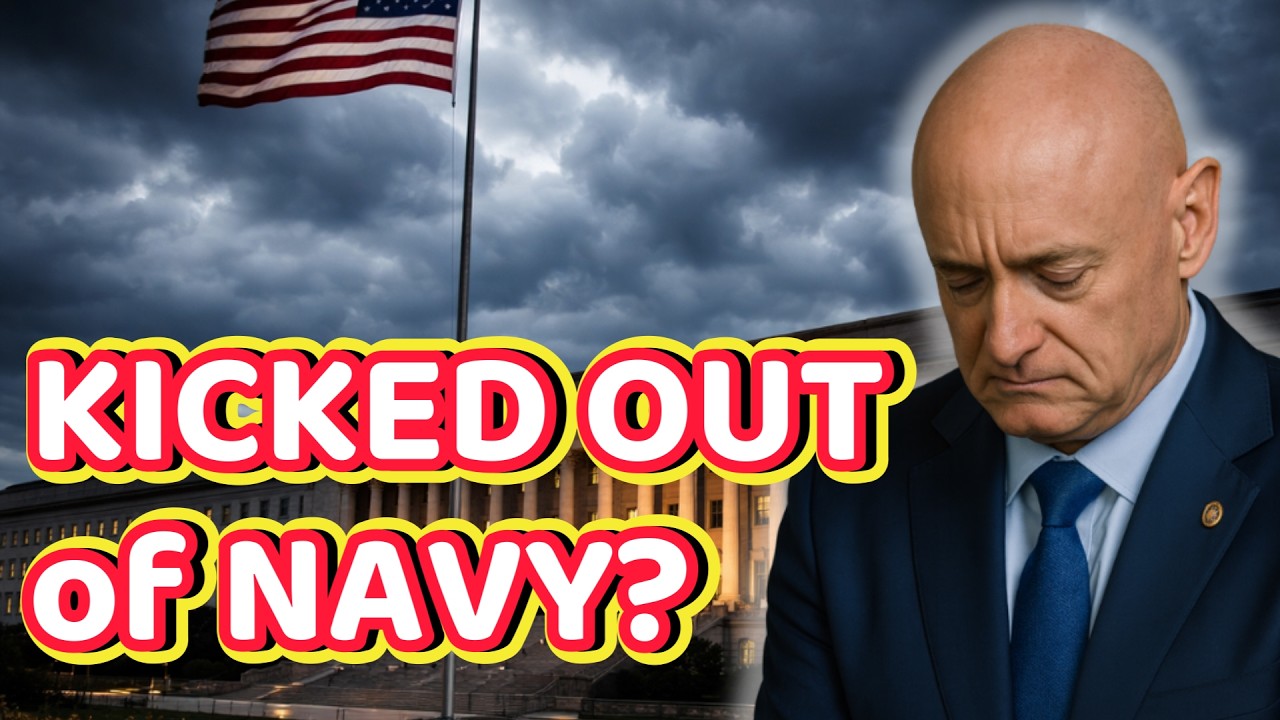
Defense Secretary **Pete Hegseth**, a vocal Trump ally, has described the lawmakers’ message as “despicable, reckless, and false,” contending it undermines chain-of-command discipline. President Trump labeled the video “seditious behavior” in social media posts, calling for severe consequences. The Pentagon’s escalation, involving its Office of General Counsel, could potentially lead to disciplinary measures against Mr. Kelly, the only participant still subject to the U.C.M.J. as a military retiree. Options under consideration include recall to active duty for possible court-martial, reduction in retired rank affecting his pension, or administrative reprimand — though legal experts question the viability of such steps.
Mr. Kelly has vigorously defended his remarks, calling the probe a “sham” intended to chill dissent. In a statement, he said the administration’s actions “should send a shiver down the spine of every patriotic American,” emphasizing his 25 years of Navy service, including combat missions during the Gulf War. His legal team has warned of constitutional challenges, arguing any punitive effort would constitute “unprecedented and dangerous overreach.” During a recent classified briefing, sources said Mr. Hegseth directly confronted Mr. Kelly, accusing him of eroding unit cohesion.

The episode has exposed unease even among some Republicans. Senate Armed Services Committee Chairman **Roger Wicker** indicated the pursuit may be inappropriate, while others in the G.O.P. conference have privately expressed discomfort with weaponizing military law against a sitting senator. Democrats, led by Senate Minority Leader **Charles E. Schumer**, have decried it as authoritarian overreach, likening the Pentagon to a “personal attack dog.”
Military law experts are divided but largely skeptical of the case’s merits. Retired officers and judge advocates note that service members are routinely trained on distinguishing lawful from unlawful orders — a principle rooted in post-World War II Nuremberg trials rejecting “superior orders” as a defense for war crimes. “This is a real stretch,” one former military lawyer said, speaking on background. Courts have upheld jurisdiction over retirees, but applying it to protected political speech by an elected official raises First Amendment and separation-of-powers issues.

The Navy recently submitted a report on potential punishments to the Pentagon, though details remain classified. A command investigation typically concludes within 30 days, setting the stage for a decision that could test norms of civilian control over the military.
As Congress prepares for the new year, the controversy underscores broader tensions between the Trump administration and Democratic critics. Mr. Kelly, a former astronaut and potential future presidential contender, has vowed not to be silenced. “If they think this will stop me from fighting for this country,” he said, “they’ve got the wrong guy.”

The outcome may reverberate through the armed forces, where leaders emphasize apolitical conduct, and in Congress, where it could fuel debates over accountability and retribution in a polarized era.