A moment intended to project confidence instead exposed a growing unease within Republican circles this week, after a senior GOP insider made unusually candid remarks during a televised political panel. The comments, which quickly spread across social media, appeared to reveal early maneuvering toward the 2026 midterm elections—and prompted visible laughter from analysts on air. Within hours, the clip was circulating widely, fueling speculation that former President Donald Trump’s political orbit may be far less settled than it appears.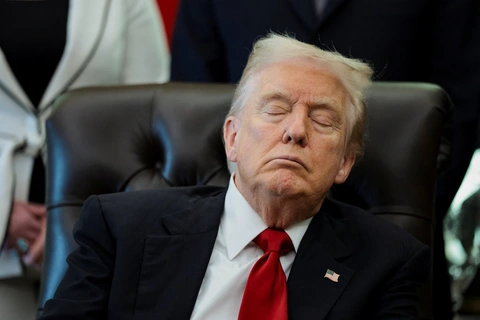
The exchange began innocuously. Panelists were discussing long-term party strategy when the insider, speaking with familiarity about internal deliberations, outlined what was framed as a plan rooted in loyalty, emotional resonance, and the enduring appeal of a familiar figure. What seemed intended as reassurance instead landed as an admission of vulnerability. Several commentators laughed openly, a reaction that became almost as viral as the remarks themselves.
For Trump’s allies, the moment struck a nerve. According to people close to the former president, the reaction inside “Trump-world” ranged from frustration to outright alarm. The concern was not merely the substance of the comments, but their timing and tone—suggesting contingency planning at a moment when Trump has sought to project dominance and inevitability within the party.
“This is what happens when internal strategy leaks into public view,” said a Republican strategist who has worked on multiple national campaigns. “What’s supposed to be discipline suddenly looks like doubt.”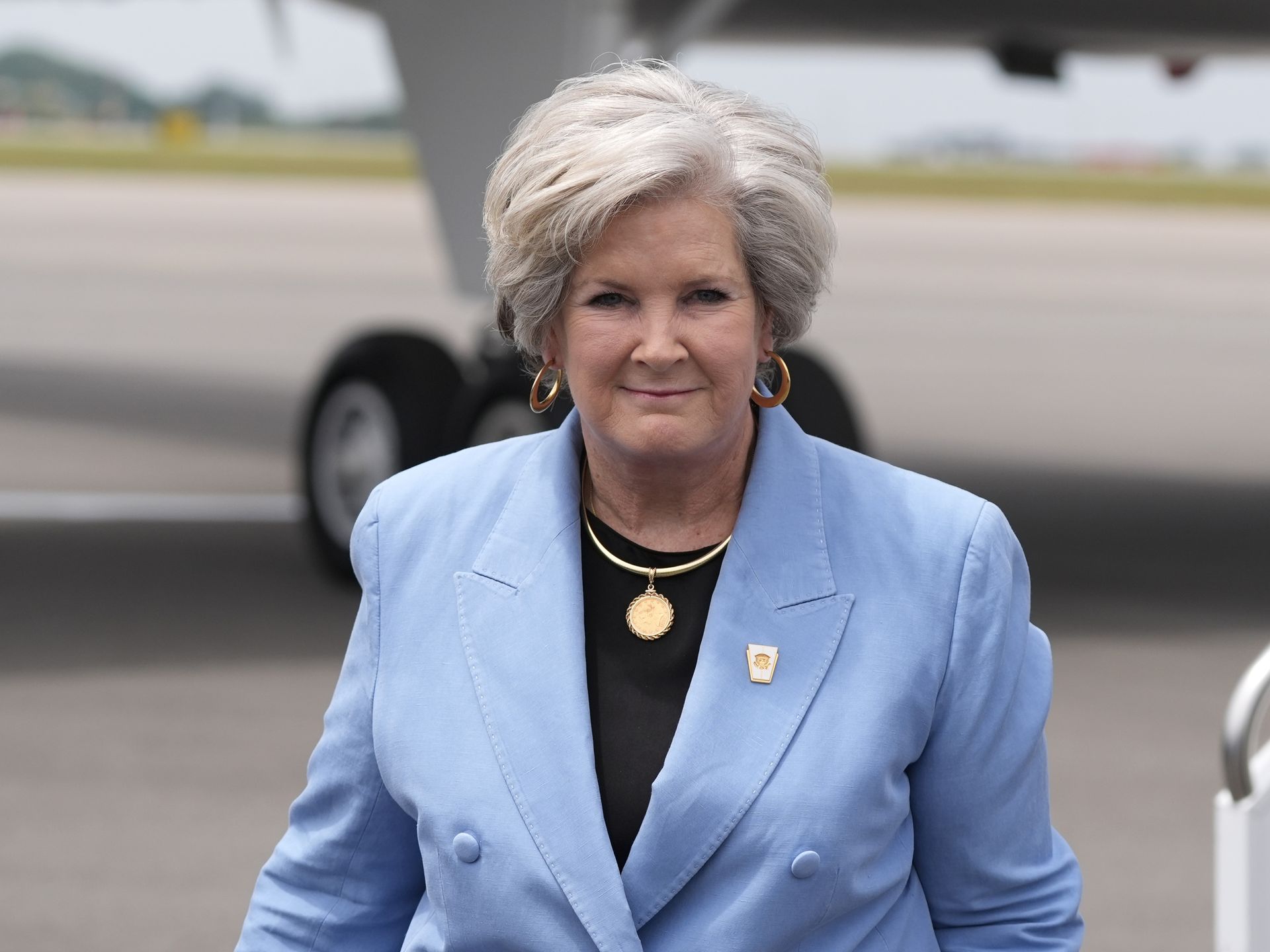
Adding to the intrigue were whispers involving Susie Wiles, a longtime Trump adviser known for her role in restoring operational order to his political efforts. While Wiles herself did not appear on the panel, her name quickly surfaced in online discussions, with observers speculating about how much of the party’s planning reflects her influence—and how much reflects anxiety about an electorate showing signs of fatigue.
The laughter on live television became a focal point of the backlash. Critics argued it underscored a broader perception problem: that Republican leaders may be speaking past voters rather than to them. Clips of the moment were shared with captions questioning whether the party’s strategy signaled strength or desperation, especially as polling continues to show voter frustration with political institutions across the board.
Democrats, meanwhile, wasted little time seizing on the moment. Several party operatives described the remarks as evidence that Republicans are already bracing for turbulence in 2026, despite their public confidence. “If you’re already explaining the plan, you’re already worried,” one Democratic consultant said.
Republicans pushed back, insisting the reaction was overblown. Some argued that long-term planning is a sign of seriousness, not panic, and that the online frenzy reflects a media environment eager to amplify any hint of discord. Yet even among defenders, there was acknowledgment that the optics were poor.
The episode highlights a familiar tension within the modern Republican Party: its continued reliance on Trump’s personal brand versus the practical realities of sustaining electoral success beyond a single figure. While Trump remains the party’s most powerful force, moments like this expose the fragility beneath the surface unity.
Media scholars note that the rapid spread of the clip illustrates how political communication has changed. “What once would have been a forgettable panel exchange now becomes a defining narrative within hours,” said a professor of political media at a major university. “Laughter, body language, tone—these cues matter as much as policy.”
As the clip continues to circulate, party leaders face a choice: double down on loyalty-driven messaging or recalibrate toward a broader appeal. Either path carries risk. What is clear is that a brief on-air moment has opened a window into the pressures shaping Republican strategy as the next electoral cycle looms.
For now, the fallout continues, amplified by algorithms and partisan interpretation. Whether it proves a fleeting embarrassment or an early warning sign remains to be seen. But for a party determined to project confidence, the laughter heard on live television may linger longer than intended.