By late last week, what began as routine confidence from Republican leadership — assurances of a “ready-to-go” political strategy — had rapidly unraveled into something far more destabilizing. A series of closely timed reports from The Wall Street Journal, long viewed as part of Rupert Murdoch’s conservative-leaning media constellation, peeled back the curtain on internal Republican discord and sent shockwaves through both Washington and conservative media circles.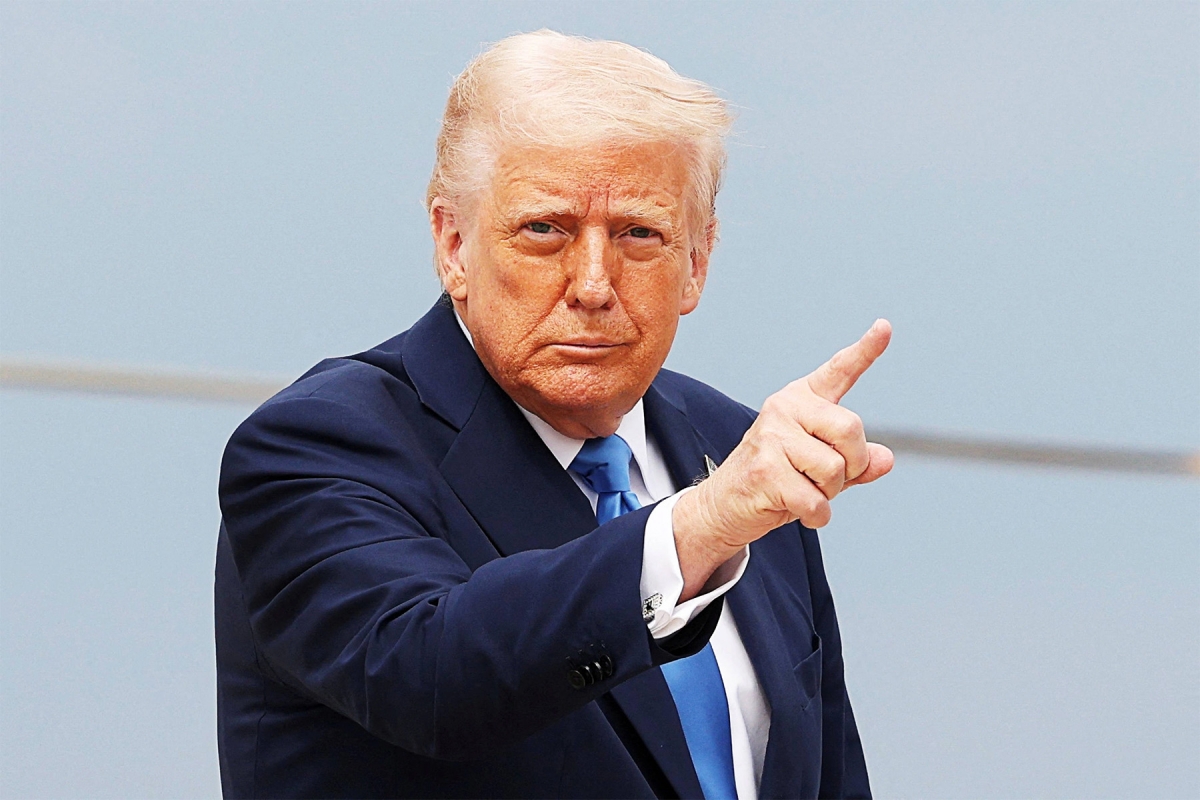
For years, former President Donald J. Trump and Murdoch’s outlets have existed in a relationship defined by mutual benefit and occasional tension. Fox News provided Trump with a megaphone; Trump delivered ratings and influence. The Journal, while more institutionally independent, often maintained a careful balance — critical in tone at times, but rarely destabilizing to the broader Republican coalition.
That balance now appears to be shifting.
Recent Journal coverage has detailed behind-the-scenes infighting within the Republican Party, including private strategy calls that reportedly devolved into heated exchanges, disagreements over messaging ahead of key political battles, and growing frustration among establishment figures over Trump’s continued dominance of the party’s direction. The reporting, citing senior party officials and donors, portrays a GOP struggling to reconcile loyalty to its most powerful figure with fears about electoral viability and long-term credibility.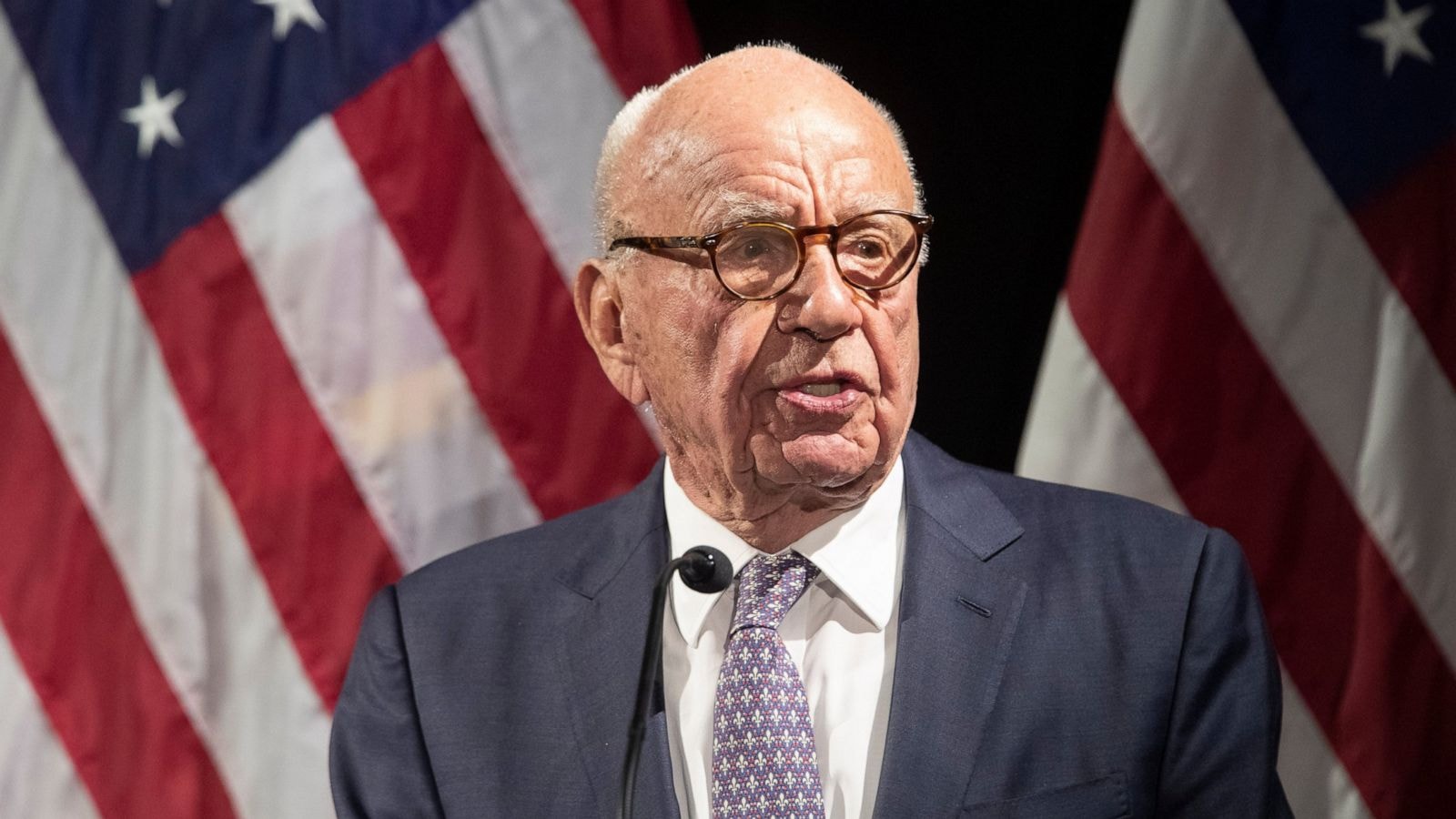
The timing is notable. With multiple legal challenges confronting Mr. Trump and polling volatility unsettling party leaders, Murdoch’s media empire appears less inclined to shield internal fractures from public view. Several articles have focused not only on policy disagreements but also on what one source described as “organizational exhaustion” — a sense that crisis management has become the party’s default mode.
Behind closed doors, according to people familiar with the discussions, tensions have intensified. Donors have pressed leadership for clarity on future strategy. Media executives, wary of reputational risk, have reportedly urged a recalibration of coverage. And Trump allies, accustomed to unwavering support, have reacted with anger and suspicion.
The response from Trump’s circle has been swift. Allies have accused the Journal of carrying water for “Never Trump” Republicans and corporate interests uneasy with Trump’s populist influence. On social media, prominent supporters framed the reporting as betrayal, questioning Murdoch’s loyalty and warning of consequences for conservative outlets that deviate from the former president’s narrative.
Yet within Republican ranks, reactions have been more complex. Some lawmakers privately welcomed the scrutiny, arguing that the party cannot address its challenges without confronting them openly. Others worry the coverage risks deepening divisions at a moment when unity is seen as essential.
Media analysts note that Murdoch’s apparent pivot is not unprecedented. He has historically adjusted his outlets’ posture in response to shifting political winds, often seeking to align with power rather than individual personalities. What makes the current moment striking is its visibility: the airing of internal GOP struggles by a publication read closely by donors, policymakers, and international audiences.
Online, the story has gained traction beyond traditional political circles. Clips discussing the Journal’s reporting have circulated widely, fueling speculation about a broader realignment within conservative media. Has Murdoch concluded that Trump is no longer the safest investment? Or is this simply a warning shot, designed to reassert editorial independence and influence?
For now, neither Murdoch nor Trump has directly addressed the broader implications of the coverage. But the message is resonating: a once-reliable alliance shows signs of strain, and the Republican Party’s internal battles are no longer confined to private conference rooms.
As one veteran Republican strategist put it, “When friendly media starts telling uncomfortable truths, it’s usually because something has already broken.”
Whether this moment marks a temporary rupture or a lasting shift remains unclear. What is certain is that the story is no longer just about Donald Trump — it is about who controls the narrative of the American right, and how publicly its fractures are now being exposed.