What began as a series of pointed online exchanges between California Governor Gavin Newsom and former President Donald Trump has rapidly evolved into one of the most visible and aggressive political feuds of the year, underscoring how modern American politics increasingly unfolds in real time across social media feeds, cable news panels, and viral video clips.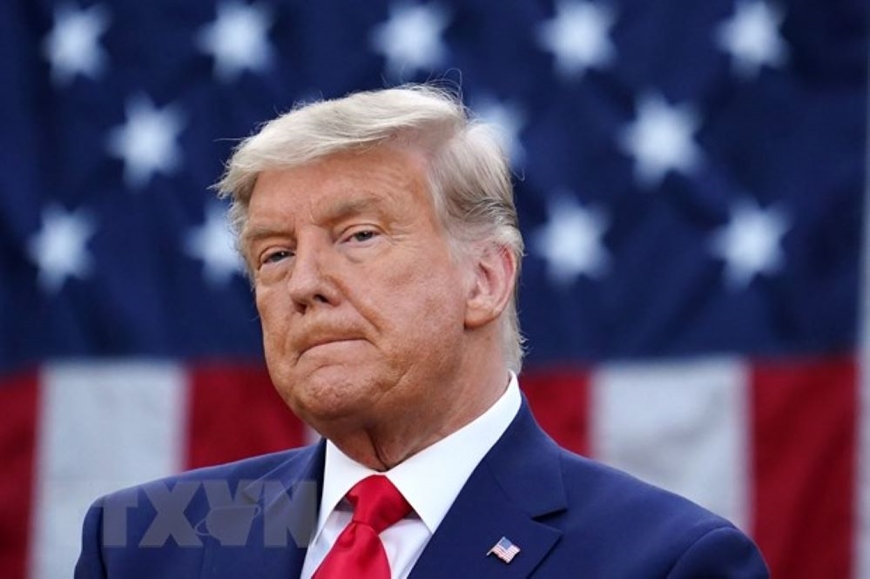
In recent days, Newsom has adopted an unusually confrontational posture, responding to Trump’s attacks with a barrage of posts, interviews, and sharply worded rebuttals that ricocheted across digital platforms. Screenshots of the exchanges spread quickly, amplified by artificial-intelligence-generated memes and rapid-fire commentary from supporters and critics alike. The tone, observers noted, felt less like traditional policy debate and more like a high-stakes media spectacle.
The shift did not go unnoticed inside Republican circles. According to people familiar with internal discussions, Trump’s allies were surprised by the speed and intensity with which the narrative turned. Accustomed to Trump dictating the rhythm of online political combat, they instead found themselves reacting to Newsom’s moves—often after they had already gone viral.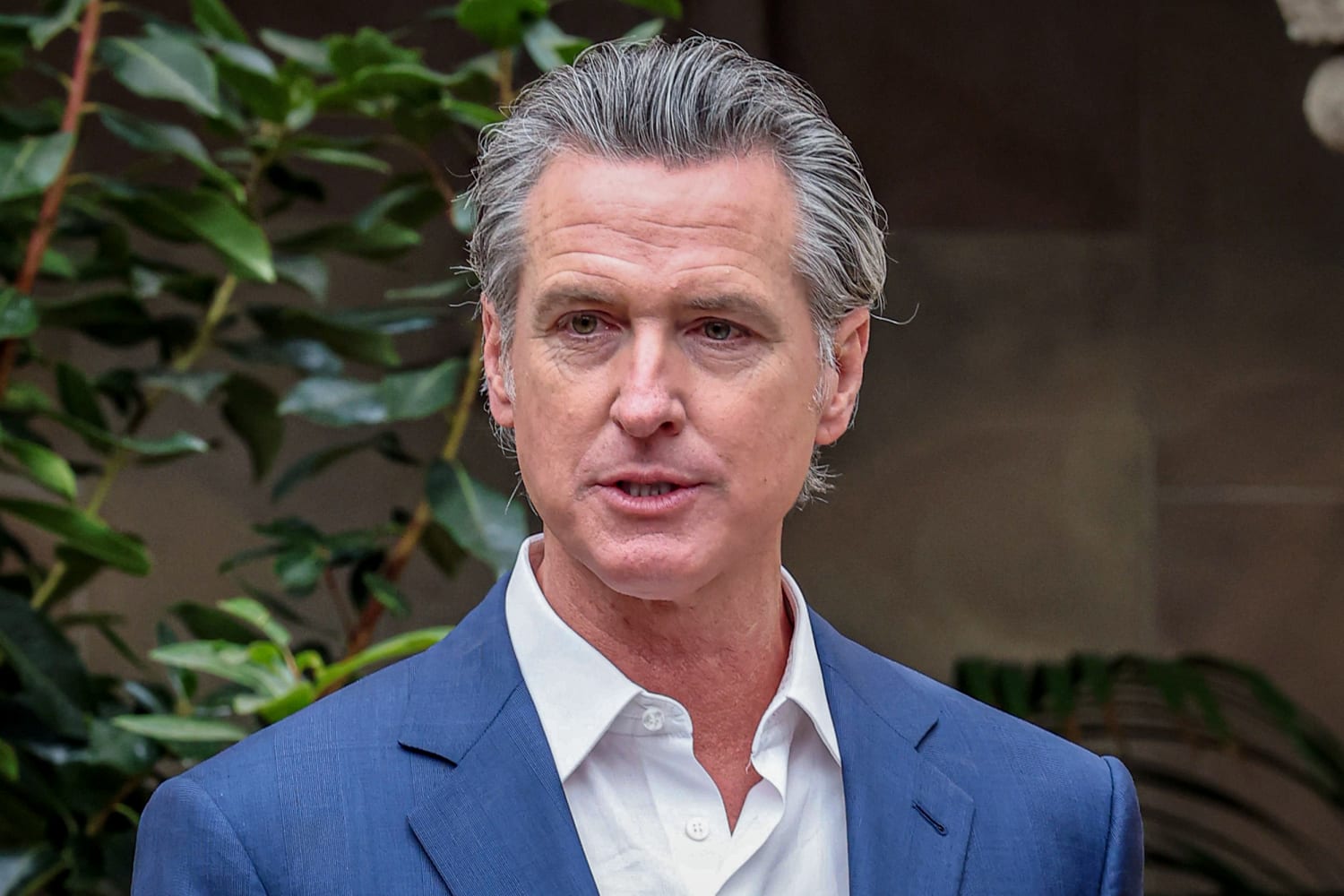
Newsom’s approach, analysts say, appears deliberate. Rather than ignoring Trump or responding through conventional statements, the governor has mirrored Trump’s own tactics: short, cutting messages; visual content designed for rapid sharing; and a willingness to escalate publicly. Supporters describe it as a long-overdue counteroffensive. Critics, including some Democrats, warn that the strategy risks further degrading political discourse.
Still, the effectiveness of the tactic is difficult to ignore. Several of Newsom’s posts drew millions of views within hours, while cable news programs devoted extended segments to parsing the back-and-forth. On some networks, panels openly struggled to keep pace as new clips and memes emerged faster than they could be analyzed.
“This is politics optimized for the algorithm,” said a political media strategist who has advised campaigns in both parties. “Newsom isn’t just responding to Trump—he’s competing with him on the same terrain, using the same tools, and in some cases doing it more efficiently.”
For Trump, the clash represents a challenge to a long-standing advantage. His political persona has thrived on dominating attention and framing opponents as reactive. But in this instance, Newsom’s willingness to go on offense has complicated that dynamic, at least temporarily. Pro-Trump online communities responded with a flurry of counter-memes and commentary, some of it openly angry, reflecting what analysts described as a rare moment of narrative disruption.
The feud also hints at a broader power shift within Democratic politics. Newsom, long viewed as a prominent surrogate and potential national contender, is increasingly positioning himself as a central antagonist to Trumpism. By leaning into confrontation rather than restraint, he is testing whether Democratic voters—and persuadable independents—are ready for a more aggressive style of opposition.
Not everyone is convinced. Some Democratic strategists caution that while viral moments energize bases, they do not necessarily translate into electoral gains. “Attention is not the same as persuasion,” one veteran operative said. “The risk is that you win the internet but lose the argument with voters who are exhausted by constant conflict.”
Yet the current media environment rewards spectacle, and both men understand that reality. Artificial intelligence tools, once peripheral to politics, are now accelerating the speed and creativity of online engagement, blurring the line between satire, propaganda, and commentary. In that landscape, restraint can look like absence.
As reactions continue to spiral and new exchanges surface almost hourly, one thing is clear: this is no longer a passing spat. The intensity of the rhetoric, the strategic use of digital tools, and the willingness to escalate publicly suggest a confrontation that may shape political messaging well beyond the current news cycle.
Whether the clash proves transformative or merely another chapter in America’s era of perpetual political combat remains uncertain. But for now, the gloves are off, the algorithms are humming, and the feud shows little sign of cooling. In a system driven by attention, both sides appear determined to ensure they never leave the screen.