Shockwaves in Washington as Trump’s Response to a Personal Tragedy Triggers Rare Republican Backlash
In Washington, scandal rarely arrives quietly. It tends to announce itself with a push notification, a screenshot, and then a slow, inexorable unraveling. This week, that unraveling began with a social media post from President Donald Trump that many allies and critics alike described as not just ill-considered, but fundamentally misjudged in tone, timing, and consequence.
The post, reacting to what Trump framed as a personal tragedy involving filmmaker and political adversary Rob Reiner, quickly veered away from sympathy and toward grievance. Instead of restraint, Trump offered a familiar mix of self-reference, score-settling, and disputed claims about past political battles. Within hours, the reaction “exploded online,” ricocheting across platforms where outrage, disbelief, and intra-party criticism began trending side by side. Even in a political era desensitized to provocation, this felt different—less strategic, more reflexive.

What followed was notable not merely because Democrats objected. That was expected. What startled Washington was the speed with which Republicans, some of them long accustomed to defending Trump’s most controversial moments, chose not to. Several conservative commentators and lawmakers issued statements emphasizing that family tragedy should remain off-limits in political combat. Others stopped short of direct condemnation but made clear their discomfort, signaling distance rather than loyalty. In modern Republican politics, that silence spoke volumes.
Trump, characteristically, did not retreat. When given an opportunity to soften his remarks, he doubled down, dismissing Reiner as politically “deranged” and reframing the moment as yet another chapter in what he calls the “Russia hoax.” The response reinforced a pattern that both supporters and critics recognize well: Trump’s instinct to counterattack, even when advisers urge restraint. According to people familiar with the internal reaction, several figures close to the administration privately warned that the episode risked alienating voters the party could ill afford to lose heading into the midterms.
The most revealing moment came not from Capitol Hill, but from television. David Urban, a former Trump adviser and a well-connected Republican strategist, appeared on CNN and described the president’s remarks as “indefensible.” Urban’s criticism was measured but unmistakable. He expressed condolences, acknowledged deep political disagreements, and then underscored what many Republicans were thinking but not yet saying aloud: that Trump had missed a chance to demonstrate basic decency, and in doing so, undercut his own political interests.
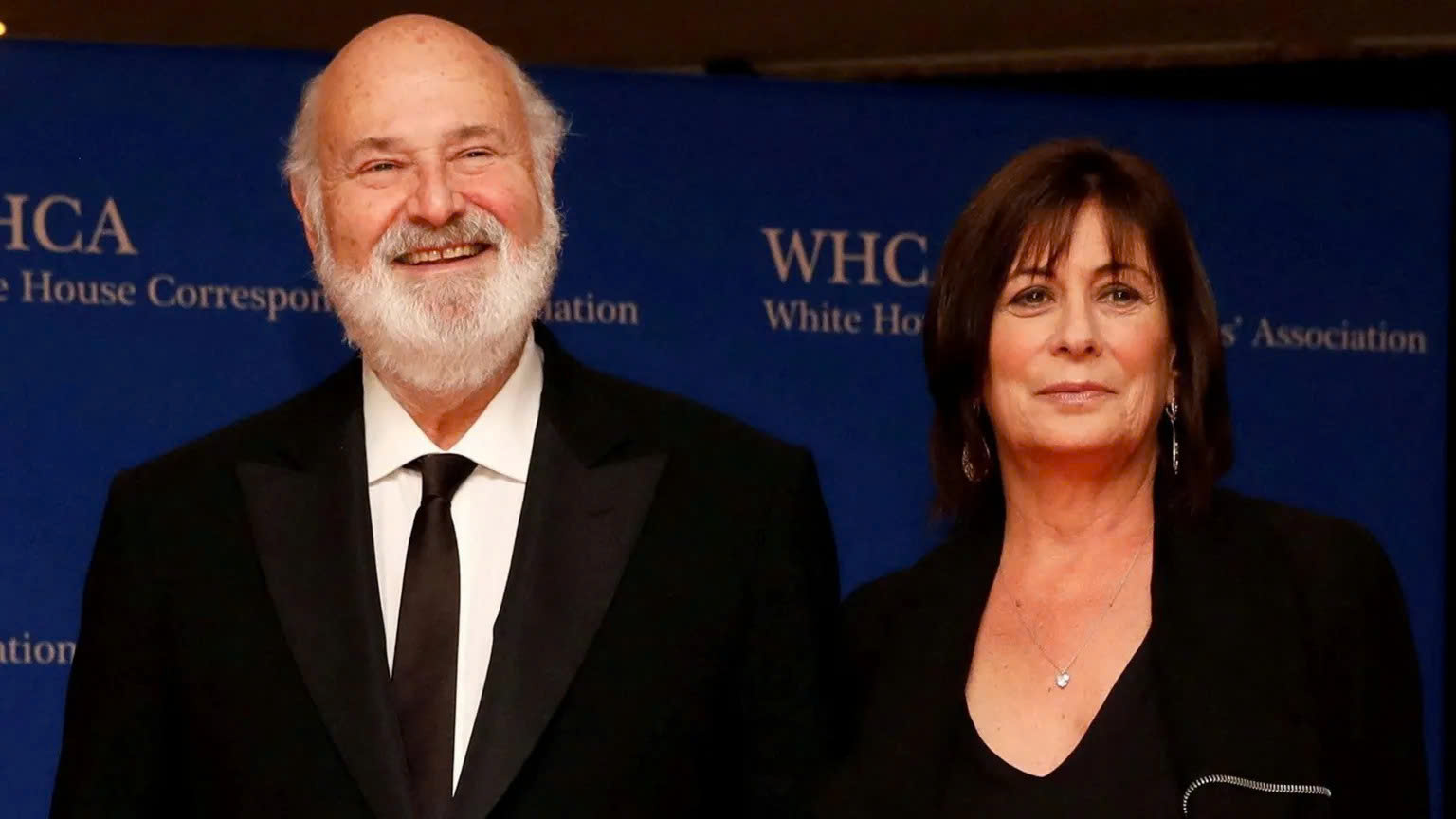
Urban’s remarks resonated because they framed the controversy not as a moral lecture from opponents, but as a strategic warning from within the tent. Elections, he noted, are about addition, not subtraction. Every unnecessary controversy narrows the coalition. Every moment that forces allies into damage-control mode is a moment not spent expanding the base. In that sense, the episode was less about Rob Reiner than about Trump’s enduring inability—or unwillingness—to modulate his instincts when the moment demands it.
Behind the scenes, according to people briefed on internal conversations, the mood among Republican operatives was tense. Some worried that the episode would overshadow legislative messaging. Others feared it would reinforce a growing perception among swing voters that Trump remains prone to personal grievance at the expense of presidential bearing. A few, more quietly, wondered whether this was another sign that the party would soon face a choice it has postponed for years: continued loyalty, or gradual separation.
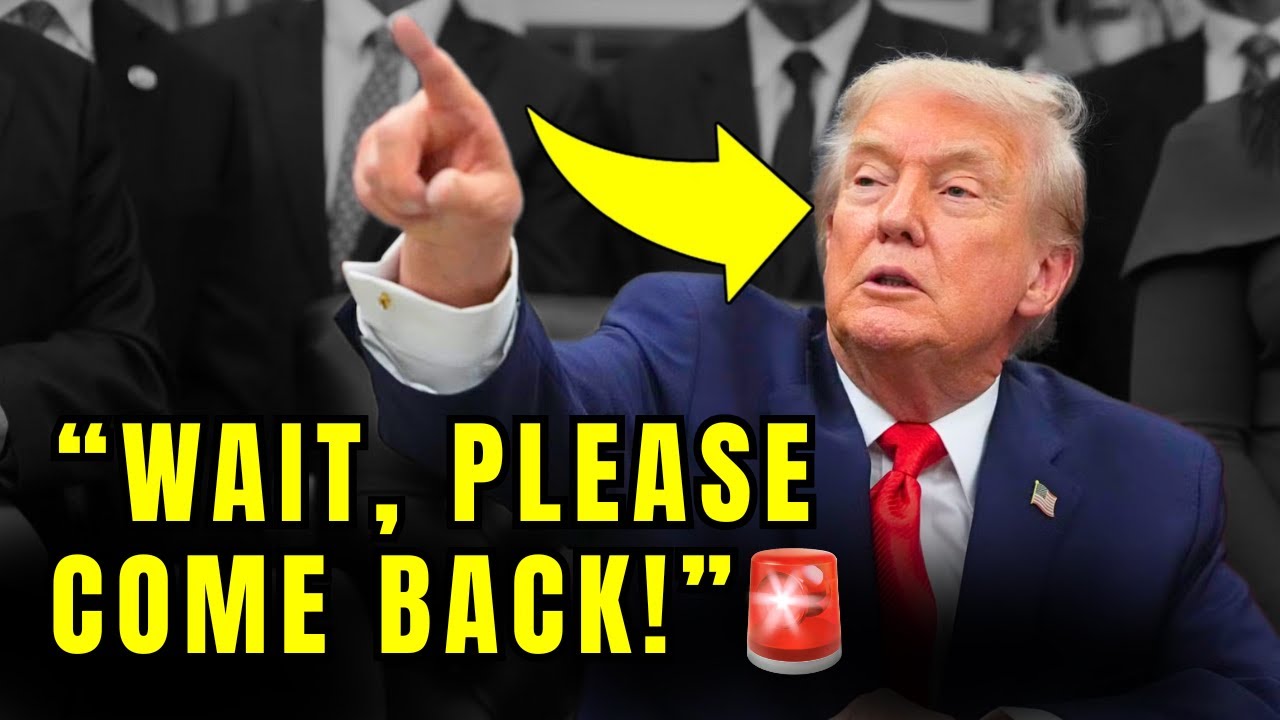
None of this means that Trump’s political standing collapses overnight. He retains fierce support, commands enormous attention, and remains the central figure in his party. But the incident underscores a broader truth of his presidency: that the same instincts that energize his base can just as quickly exhaust his allies. The line between dominance and isolation is thin, and moments like this bring it sharply into focus.
As the clip circulates and commentary multiplies, the question is no longer whether the post crossed a line—many Republicans now say it did—but what the party does next. Does it close ranks once more, or does this mark another small step toward recalibration? For now, the drama continues to spread, the reactions continue to evolve, and Washington is once again watching a familiar story unfold in real time—one post, one backlash, and one uneasy silence at a time.