Lawmakers Challenge Trump’s Venezuela Action, Citing Constitutional and Strategic Concerns
WASHINGTON — President Donald Trump’s recent military action in Venezuela has ignited a sharp backlash on Capitol Hill, reopening long-running debates over war powers, executive authority and the direction of U.S. foreign policy. Lawmakers from both parties questioned not only the legality of the operation, but also whether it represents a fundamental break from the anti-interventionist message Trump used to rally voters in earlier campaigns.
Critics argue that the president bypassed Congress in authorizing military force, violating both the Constitution and international norms. Several Democratic lawmakers, joined by a small number of Republicans, said the administration failed to consult lawmakers or seek authorization before acting. European allies, including France and Germany, have also expressed skepticism, according to members of Congress briefed on diplomatic reactions.
“What we are seeing is not just lawlessness,” one lawmaker said during a televised interview. “It is a betrayal of what the president told voters — that he opposed regime-change wars and endless foreign entanglements.”
The administration has defended the action as a limited operation tied to law enforcement objectives, arguing that it did not amount to a declaration of war. But those explanations have done little to quell criticism, particularly after Trump suggested in subsequent remarks that the United States could return to Venezuela and play a direct role in governing the country.
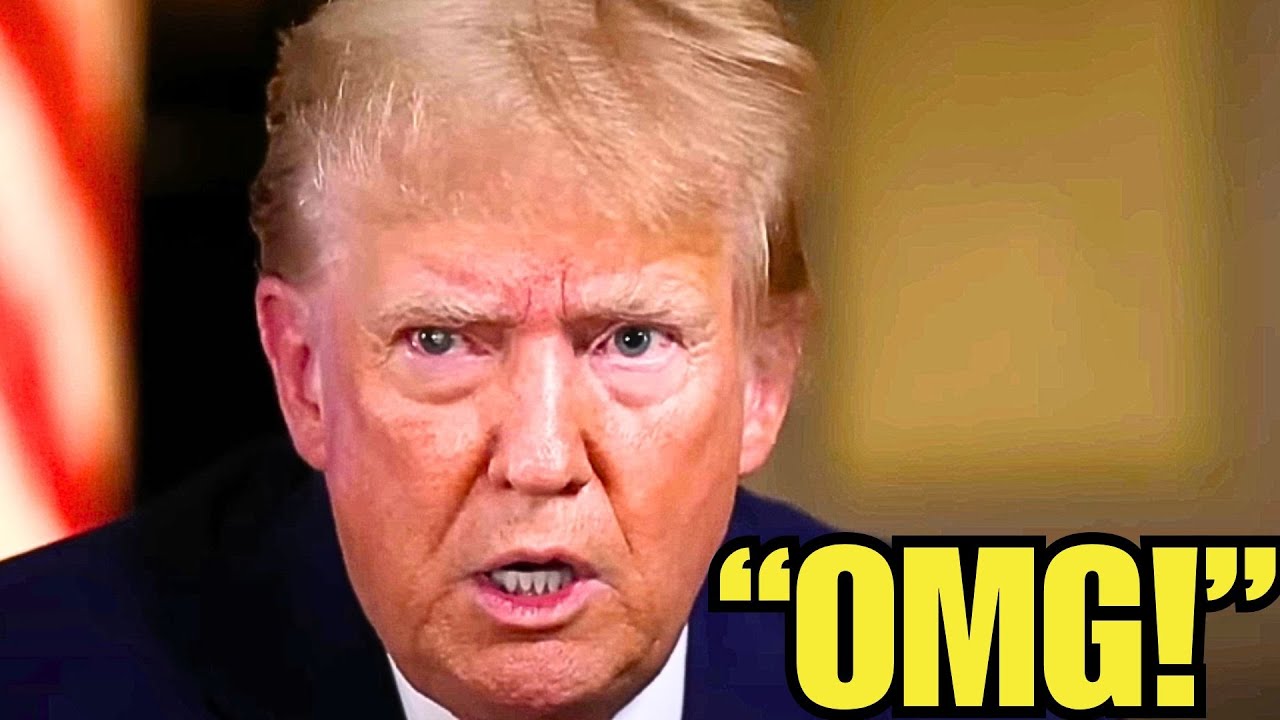
That rhetoric, lawmakers said, intensified concerns about costs, long-term commitments and the absence of a clear plan. “Once you say ‘we’re going to run the place,’ Americans understandably ask how much this will cost, how long troops will be there, and what the exit strategy is,” another member of Congress said.
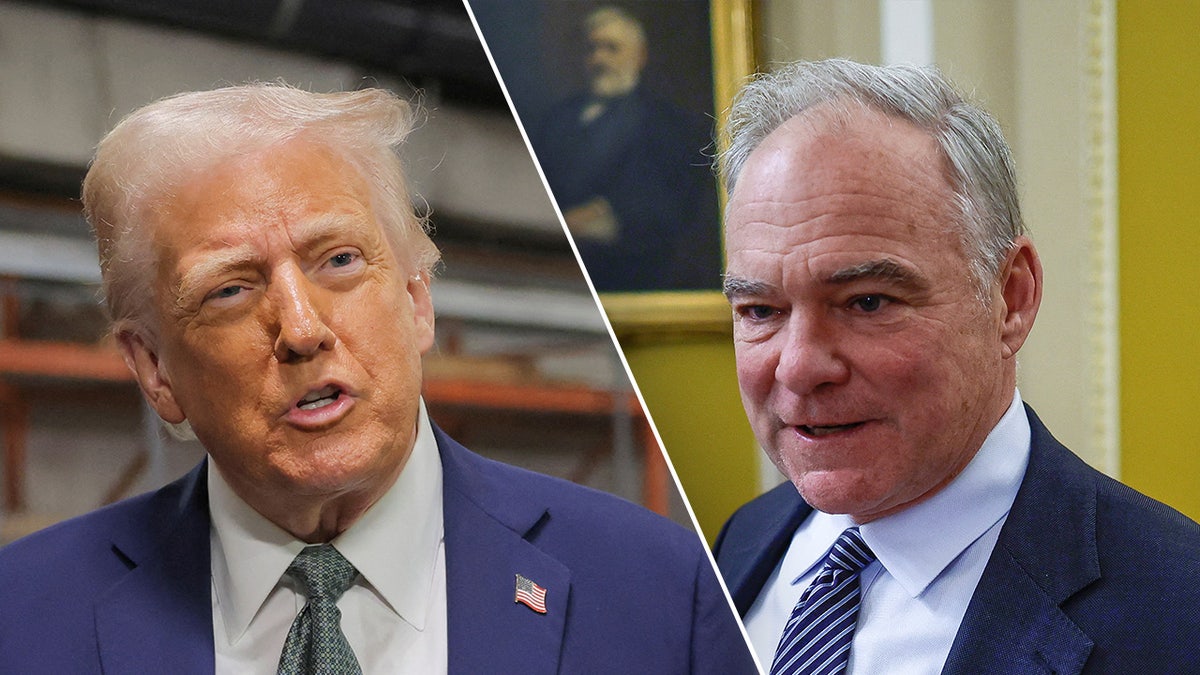
Senator Tim Kaine of Virginia announced plans to force a vote on a bipartisan war powers resolution that would restrict further military action without congressional approval. Kaine has taken similar positions under presidents of both parties, arguing that the Constitution gives Congress — not the White House — the authority to declare war. Some lawmakers believe the vote could attract broader Republican support, particularly from members uneasy with foreign interventions.
The debate has also exposed fractures within Trump’s political base. While many supporters initially sought to justify the action as limited, public comments from some conservative figures suggested growing discomfort once the scope appeared to expand. “This is exactly what many voters thought they were voting against,” one lawmaker noted.
Beyond questions of legality, critics say the action contradicts American values. Several members of Congress emphasized that the United States should not be perceived as intervening abroad for resources or territorial influence. “Americans don’t believe our country should march into another nation to take its oil,” one representative said. “That’s not who we are.”
Democratic Representative Joaquín Castro of Texas, who sits on the House Foreign Affairs and Intelligence Committees, said the operation reflected a broader pattern in Trump’s foreign policy. Castro argued that the administration has ignored lessons from Iraq and Afghanistan and abandoned its earlier claims of being a “peace presidency.”
Castro and others pointed to a failed bipartisan effort earlier this year to require congressional approval for similar actions. They also accused the administration of waiting until Congress was in recess to act, limiting lawmakers’ ability to respond in real time.
The White House has not indicated that it will seek an authorization for use of military force, and officials have insisted the operation was justified. Still, lawmakers said the episode underscores the urgency of reasserting congressional oversight.
As debate continues, the episode has revived fundamental questions about presidential power, accountability and the role of the United States abroad — questions that are likely to shape foreign policy battles in Congress for months to come.