TORONTO, Feb. 26, 2026 — Ontario Premier Doug Ford escalated his longstanding opposition to President Donald J. Trump’s tariff policies on Wednesday, declaring that the late President Ronald Reagan — a figure Ford has frequently invoked — would be “spinning in his grave” over what he called a departure from free-trade principles that once defined Republican orthodoxy.
Speaking at a news conference in Niagara Falls following a hospital announcement, Ford responded sharply to recent comments from U.S. Trade Representative Jamieson Greer, who insisted any future trade deal with Canada must include higher tariffs and greater market access for American goods. “When you have a protectionist government like President Trump, it fails every single time,” Ford said. “Ronald Reagan is spinning in his grave right now.”
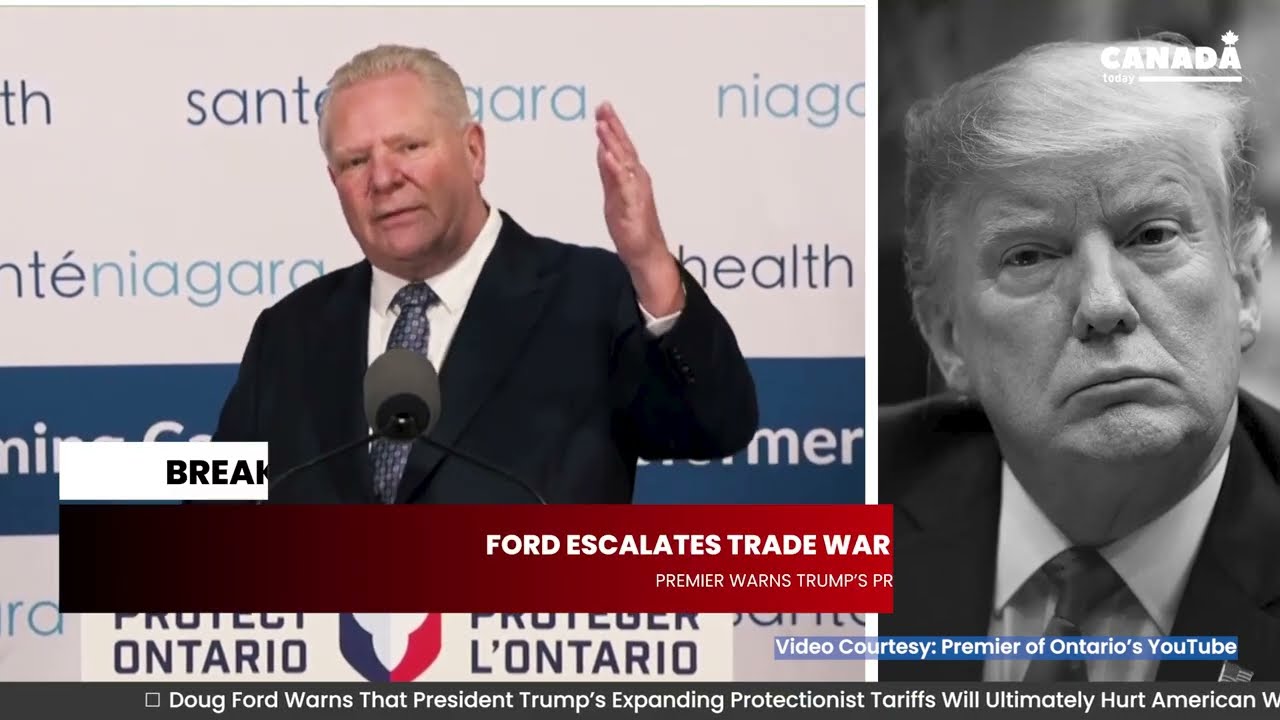
The remarks echo Ford’s earlier campaign against U.S. tariffs, most notably a multimillion-dollar advertising blitz in late 2025 that aired excerpts from Reagan’s 1987 radio address warning against the dangers of protectionism. That ad, which ran on major U.S. networks including during World Series broadcasts, prompted Mr. Trump to suspend trade negotiations with Canada and threaten additional levies. Ford defended the campaign at the time, saying it “started a conversation” and achieved its goal of drawing attention to the issue.
Ford has long positioned himself as a defender of Ontario’s economy, which relies heavily on cross-border trade with the United States. He has repeatedly warned that unilateral tariffs would harm industries on both sides of the border, particularly auto manufacturing, steel, aluminum and nickel production. “They want to tariff us, I say we tariff them back,” he said Wednesday, reiterating his willingness to impose retaliatory measures if needed.
The premier’s comments come amid ongoing friction in North American trade relations. Mr. Trump has maintained that tariffs are necessary to reduce trade deficits, secure borders and reshore manufacturing, while Canadian officials, including Prime Minister Mark Carney, have argued the levies violate the spirit of the U.S.-Mexico-Canada Agreement and risk disrupting integrated supply chains.
Ford also referenced the broader context of U.S. court rulings and congressional pushback on tariffs, suggesting pressure is mounting on the administration. “The walls are closing in,” he said, pointing to a recent Supreme Court decision striking down certain Trump tariffs as exceeding executive authority under the International Emergency Economic Powers Act. He expressed optimism that the upcoming U.S. midterm elections could further constrain Mr. Trump’s agenda.
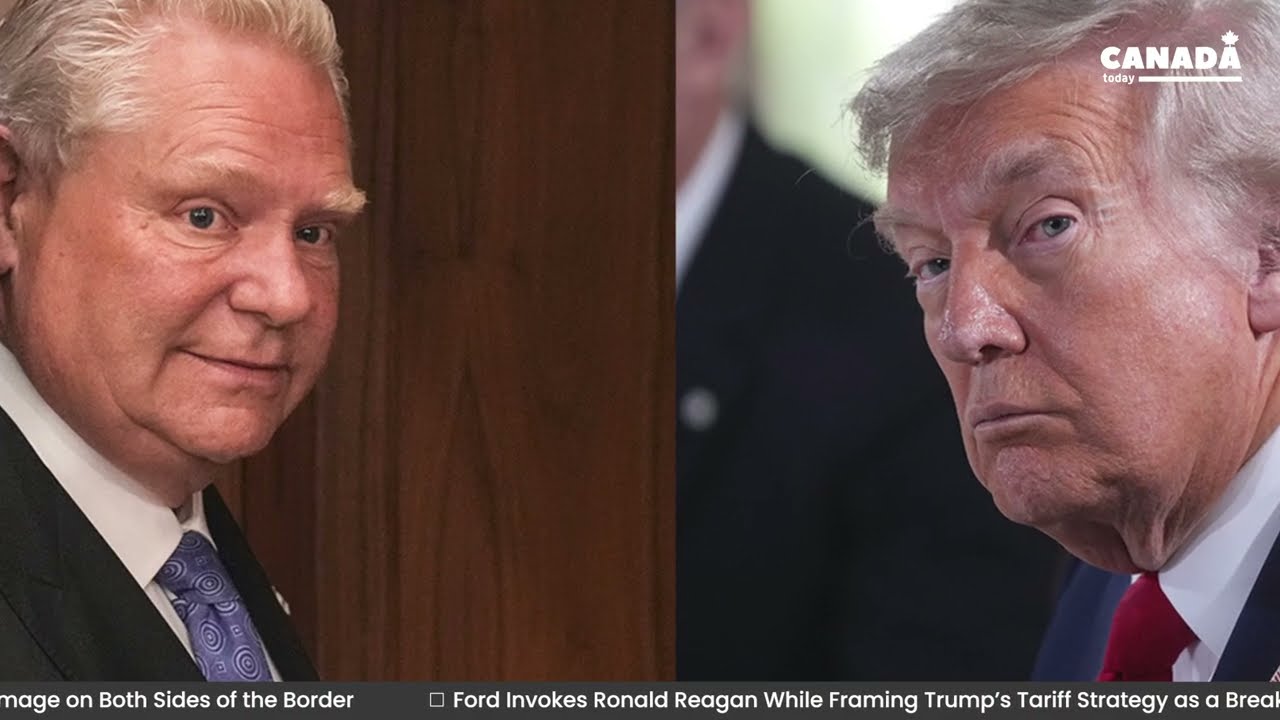
Ontario, Canada’s most populous province and a major exporter to the United States, has been at the forefront of resistance to U.S. trade pressures. Ford’s government previously spent tens of millions on the anti-tariff ad campaign, which featured Reagan’s warnings that “high tariffs inevitably lead to retaliation by foreign countries and the triggering of fierce trade wars.” The clip was drawn from a 1987 address where Reagan criticized protectionism, though Trump at the time dismissed it as misleading or “fake.”
Despite the rhetoric, Ford has avoided outright escalation, emphasizing cooperation where possible. He has said no deal is better than a bad one but remains open to negotiations that protect Ontario workers and industries. “We’re in an economic war right now,” he acknowledged, “but we’re going to fight for Canada.”
The exchange underscores persistent strains in U.S.-Canada relations, even as both nations navigate shared security concerns in the Arctic and global supply-chain vulnerabilities. Canadian federal officials have echoed Ford’s concerns, warning that prolonged tariffs could raise consumer prices and disrupt North American competitiveness.
Mr. Trump has not directly responded to Ford’s latest comments, though he has previously criticized Canadian leaders for resisting his trade agenda. White House officials reiterated that tariffs are tools to address imbalances and protect American jobs.
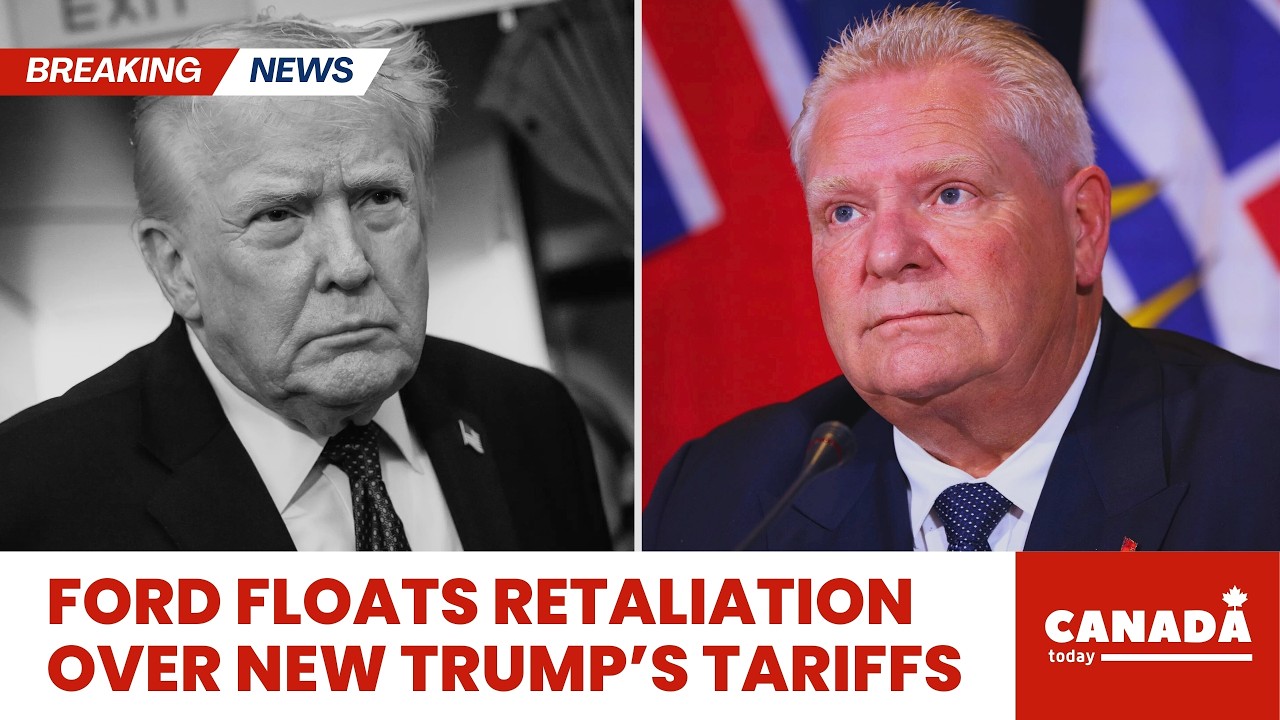
As the 2026 midterms approach in the United States and Canada prepares for its own electoral cycle, trade remains a flashpoint. Ford’s invocation of Reagan — a conservative icon — serves as both political messaging and a reminder of the historical bipartisan support for freer trade in North America. Whether it influences U.S. policy remains uncertain, but it has kept the issue in the headlines on both sides of the border.