By XAMXAM
DAVOS, Switzerland — For several days, President Donald Trump spoke as if Greenland were a bargaining chip rather than a territory with its own government, allies, and legal protections. Tariffs were floated. Pressure was implied. Even the language of force crept into the conversation. Then, almost as suddenly as the threats appeared, they vanished.
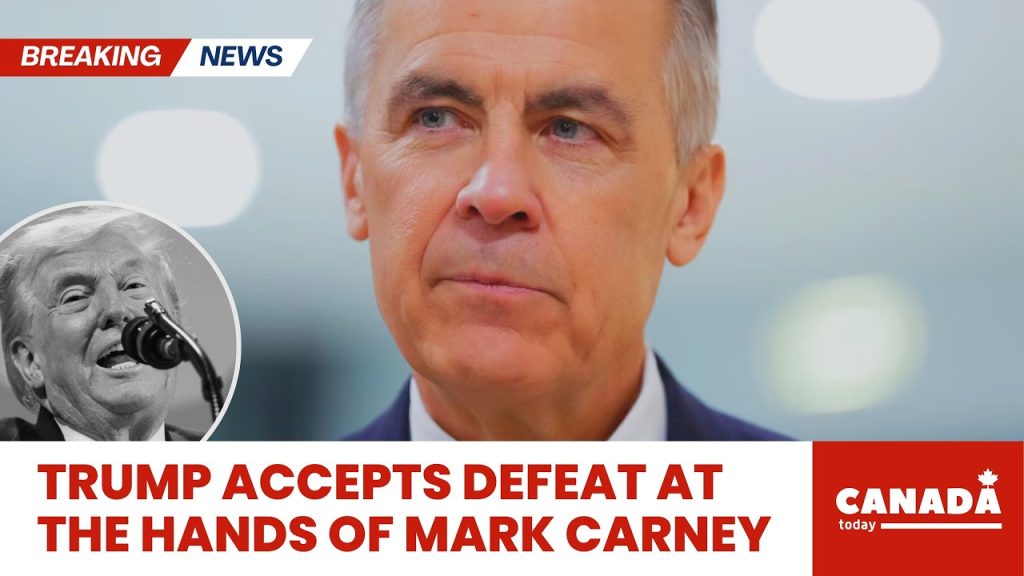
There would be no tariffs. No annexation push. No “deal” to be forced through intimidation. Instead, the president lashed out — not at Denmark or Europe, but at Canada.
Standing before cameras at the World Economic Forum, Trump singled out Canadian Prime Minister Mark Carney, complaining that Canada was “ungrateful” and warning that it should remember who “keeps it alive.” The remarks were sharp, personal, and revealing. They sounded less like policy than irritation.
To many diplomats and analysts in Davos, the outburst marked a quiet turning point. Trump had not refined his Greenland strategy. He had abandoned it — and was reacting to the fact that he had been forced to do so.
The Greenland episode was meant to follow a familiar Trump pattern: apply economic pressure, keep intentions ambiguous, and wait for counterparts to blink. In previous confrontations, that strategy often succeeded, particularly when allies opted for private diplomacy over public resistance.
This time was different.
Denmark rejected the premise outright. Greenland’s leaders spoke clearly about sovereignty. European governments closed ranks. And then Canada, unusually, stepped into the spotlight. In a widely watched address, Carney described the use of tariffs and threats over Greenland as an “escalation,” a word rarely used by allied leaders to describe American policy. He framed the issue not as a misunderstanding, but as economic coercion incompatible with NATO principles.
In diplomatic language, escalation is not a critique. It is a warning.
Carney’s decision to speak publicly mattered as much as what he said. By naming the tactic, he stripped Trump’s threats of ambiguity. If the United States continued pressing Greenland, it would no longer be framed as tough negotiation. It would be understood as a challenge to sovereignty, alliance norms, and Arctic stability.
That left the White House with few options. Escalation would have meant confronting not just Denmark, but NATO partners increasingly aligned around the issue. Retreat, though politically awkward, was safer.
Trump chose retreat — and then sought to reassert dominance rhetorically by turning on Canada.
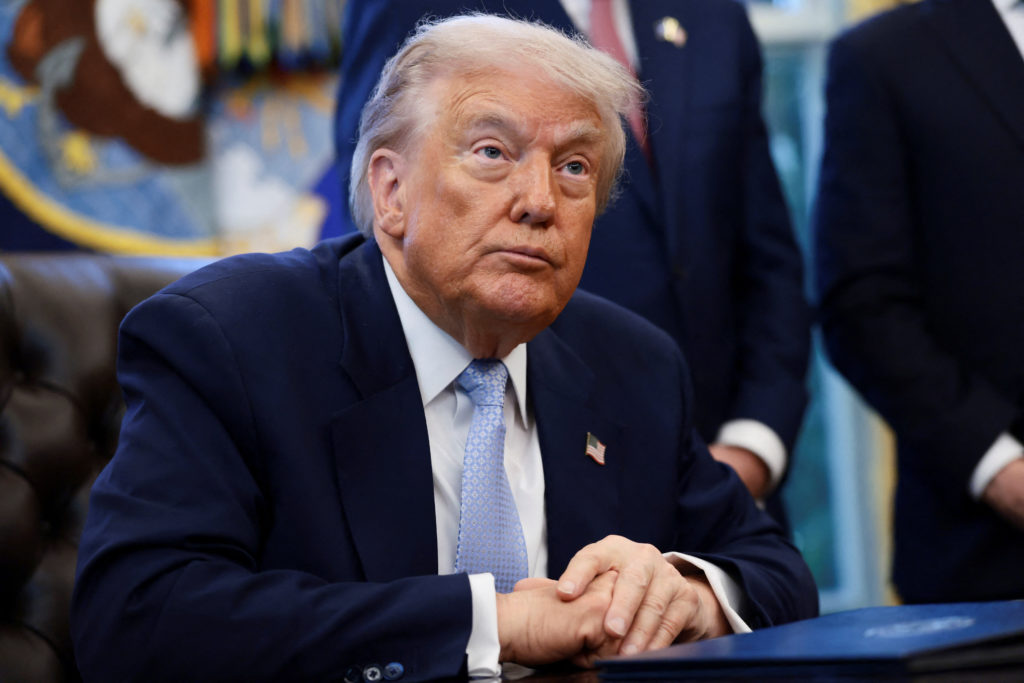
The result was an inversion of the usual power dynamic. Instead of allies scrambling to manage Trump’s pressure, the president appeared reactive, explaining away a reversal while attacking a neighbor who had refused to stay quiet. The complaints about Canadian ingratitude, delivered without policy detail, underscored how much leverage had slipped.
The episode did not end America’s influence, nor did it fundamentally alter U.S.–Canada relations. But it did puncture an assumption that has long underpinned Trump’s approach: that intimidation, once deployed, inevitably works.
Canada’s stance was effective not because of military force or economic size, but because it was coordinated and public. Carney linked sovereignty to alliance commitments, explicitly referencing North Atlantic Treaty Organization and Arctic security. That framing attracted support rather than silence.
Equally important was what happened beyond the speeches. Canada has spent months diversifying its economic and diplomatic relationships — deepening ties with Europe, engaging Asia, and reducing its exposure to U.S. pressure. Those moves, largely technocratic and incremental, gave weight to Carney’s words. Resistance was not just rhetorical; it was underwritten by preparation.
Trump’s response revealed a vulnerability. His negotiating style depends on uncertainty and bilateral pressure. When confronted by coordinated resistance that names the tactic itself, the strategy loses force. Threats become bluffs, and bluffs become liabilities.
The irony is that Trump may have inflicted lasting damage on his own leverage. By backing down publicly, he demonstrated that pressure can be neutralized. Future threats, whether over trade, territory, or security, will be met by governments that have seen the playbook fail.
For now, the immediate crisis over Greenland has passed. No flags were moved. No tariffs imposed. But the political signal lingered in Davos long after the cameras moved on.
A mid-sized ally confronted a superpower not with outrage, but with clarity — and won space to maneuver. The president of the United States responded not with escalation, but with frustration.
In international politics, moments like this rarely announce themselves as historic. They arrive quietly, embedded in tone shifts and aborted threats. Yet they matter because they reveal something new: that intimidation, once named and resisted, is not as inevitable as it once seemed.
Trump did not lose Greenland in any formal sense. What he lost was something more fragile — the assumption that pressure alone is enough.