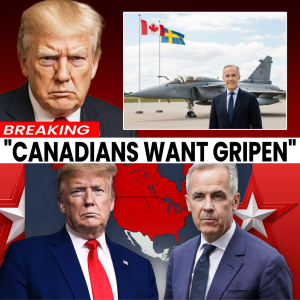
Canada’s political landscape was jolted this week after Prime Minister Mark Carney issued a firm warning to Donald Trump following reports that figures linked to the Trump administration engaged with Alberta separatist groups. After weeks of tariffs, pressure tactics, and escalating rhetoric, this latest development marked a sharp shift from trade conflict to something far more serious: questions of foreign interference and national sovereignty.
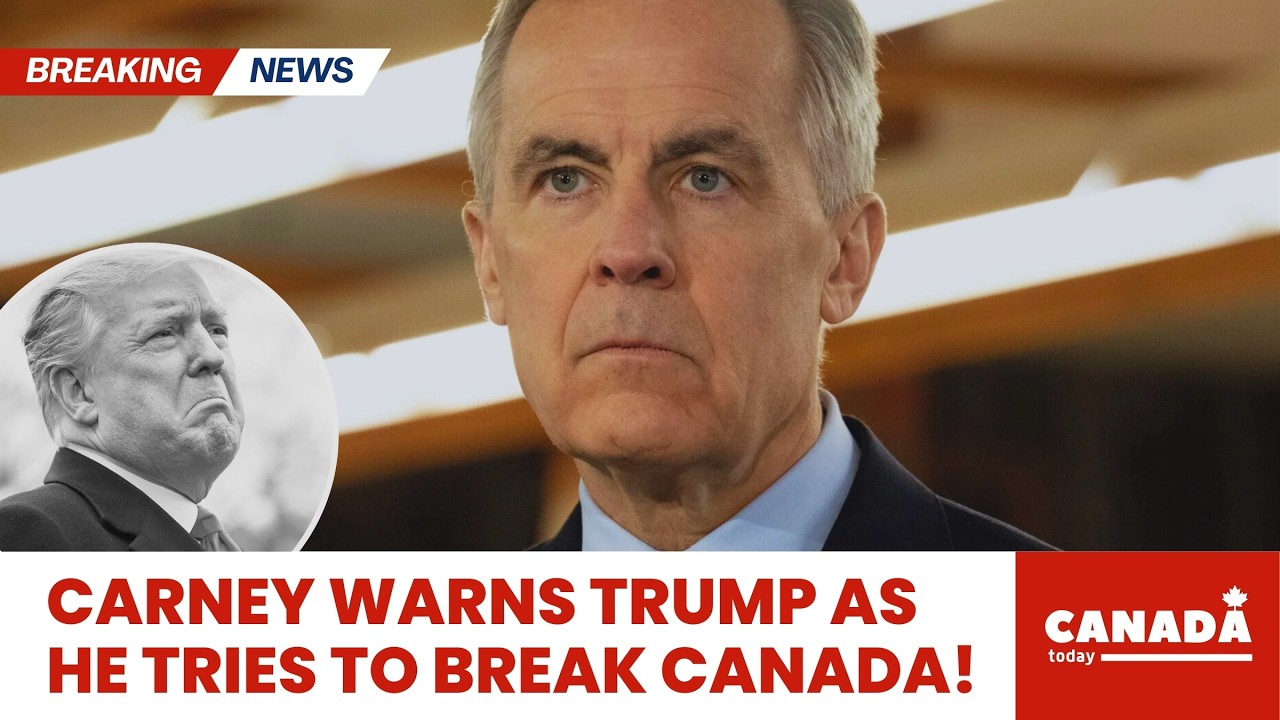
The controversy erupted as Canada continues to navigate economic instability fueled by U.S. trade aggression. According to multiple reports, Trump-aligned officials held discussions with separatist actors at a moment of heightened bilateral tension. The timing immediately raised red flags in Ottawa, prompting concerns that internal divisions were being probed as leverage rather than respected as domestic democratic matters.
When confronted publicly, Carney refused to take the bait. He did not amplify the separatists, nor did he engage in inflammatory language. Instead, he drew a clear and deliberate line, stating that decisions about Alberta and Canada’s future belong exclusively to Canadians. By emphasizing federal, provincial, municipal, and Indigenous cooperation, Carney effectively stripped the separatist narrative of relevance and legitimacy.
The warning intensified when Carney confirmed the issue would be elevated through formal diplomatic channels. Canada’s representative in Washington and the U.S. ambassador in Ottawa would both be engaged directly, signaling that this was no longer a media controversy but a state-to-state concern. The message was unmistakable: discussions that touch Canada’s unity cross into sovereign territory.
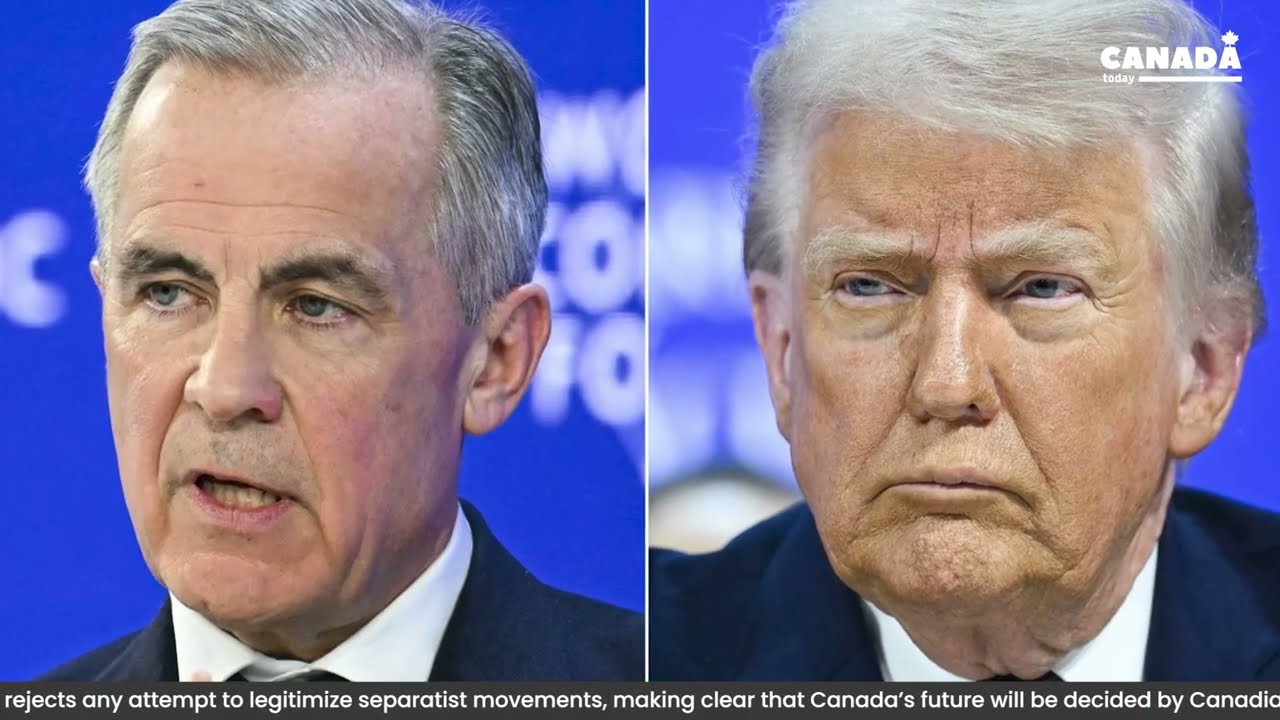
Political analysts note that this response neutralized a familiar Trump tactic—exploiting fragmentation to extract concessions. By projecting calm authority rather than outrage, Carney closed the door on escalation while making it clear that interference would not be tolerated. Former Canadian leaders echoed this view, calling the meetings unacceptable and drawing stark comparisons to how the U.S. would react if roles were reversed.
In the end, Trump’s move was meant to test Canada’s cohesion. Carney’s response produced the opposite effect. Unity replaced uncertainty, and procedure replaced provocation. As global politics grow more volatile, this moment underscored a simple truth: pressure only works when cracks exist. This time, Canada showed none. Canada decides Canada’s future—and that warning was heard loud and clear.