By XAMXAM
The scenes unfolding across capitals this winter — crowds in the streets, unusually blunt speeches from allied leaders, and an unmistakable tightening of diplomatic coordination — suggest that something in global politics has shifted. This is no longer a cycle of outrage that rises and falls with the news. It is a sustained response to a deeper anxiety: that the rules underpinning international order are being openly tested, even discarded.
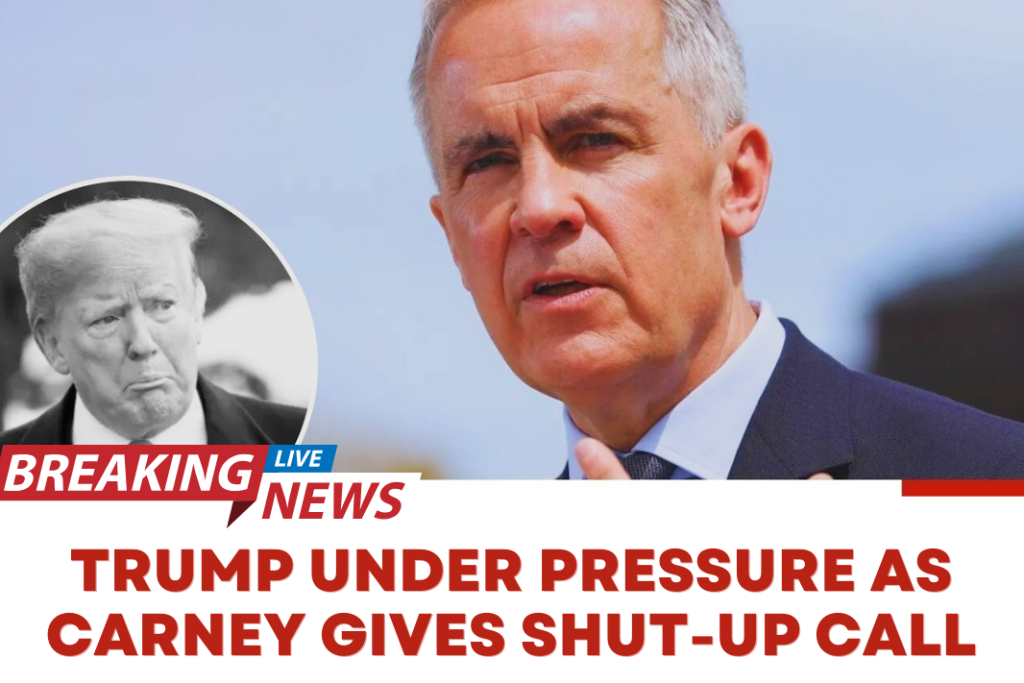
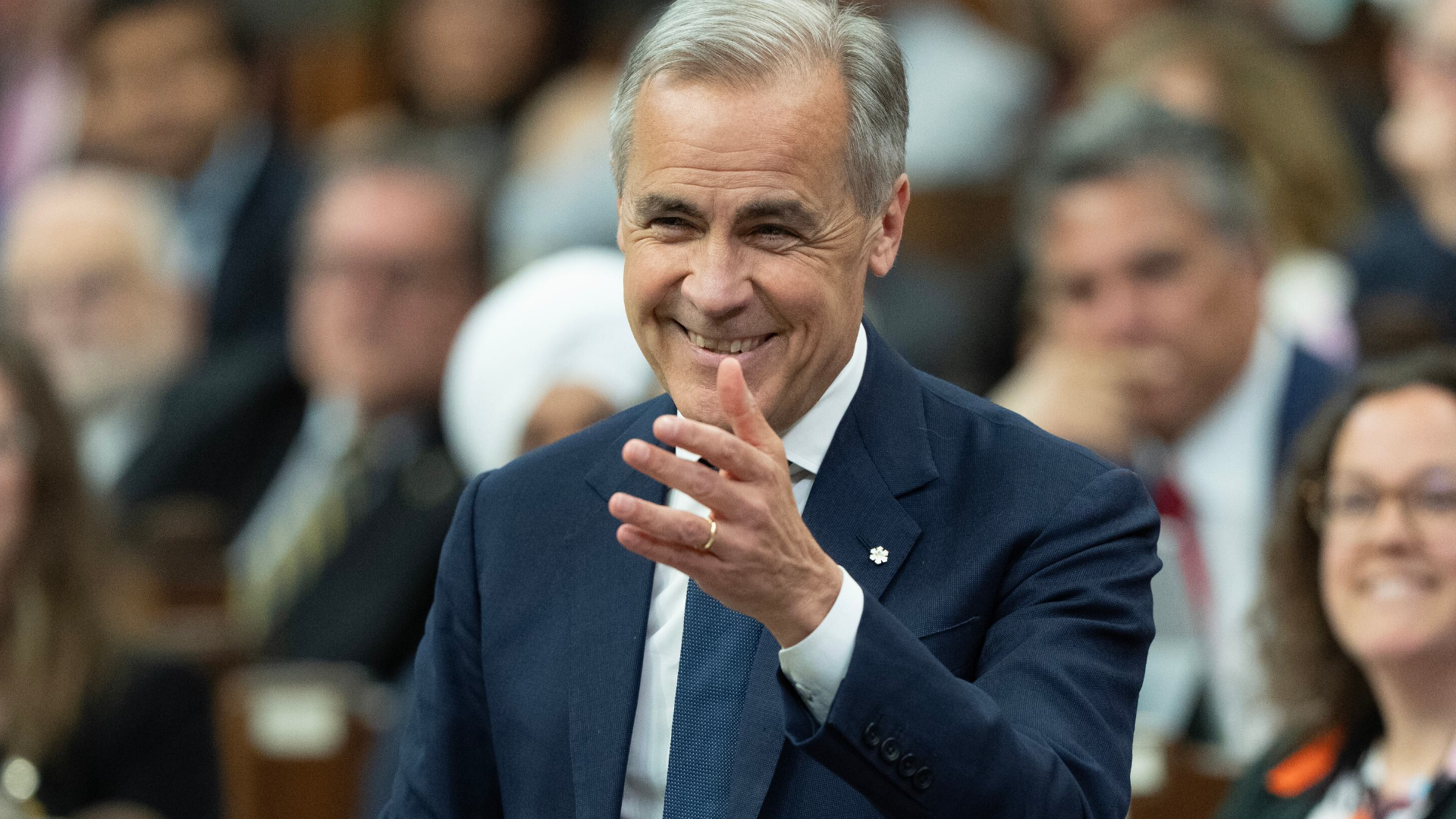
At the center of that response stands Mark Carney.
For years, Canada’s instinct in moments of global turbulence was caution. Ottawa preferred quiet diplomacy, de-escalation, and consensus-building behind closed doors. That posture has changed. Not through fiery rhetoric or theatrical confrontation, but through deliberate positioning — aligning Canada with partners who now speak openly about the risks posed by Donald Trump’s conduct on the world stage.
Across Europe, the language has hardened. In Paris, Emmanuel Macron told diplomats that the United States appeared to be abandoning the very international rules it once championed. In Berlin, Frank-Walter Steinmeier warned of a world drifting toward “the law of the strongest,” where power substitutes for law and restraint. These were not rhetorical flourishes. They were signals — carefully crafted, publicly delivered, and coordinated in timing.
The trigger has been a pattern rather than a single act: Trump’s casual annexation rhetoric, his threats of military force toward Greenland, Venezuela, and Mexico, and his dismissal of international law as an inconvenience rather than a constraint. For allied governments, the concern is no longer hypothetical. It is structural. If such behavior becomes normalized, the protections small and middle powers rely on begin to erode.
Public protests have amplified that concern. Demonstrations across Europe and North America are less about partisan politics than about fear — fear that intimidation is replacing diplomacy, and that escalation is becoming reflexive. When protests spill across borders, history suggests it is often because publics sense that institutions are lagging behind events. Leaders, in turn, feel pressure to respond.
Carney has done so in a way that avoids direct confrontation while steadily reducing vulnerability. Canada has deepened coordination with European partners on security, defense procurement, cyber policy, and Arctic governance. Joint statements defending Greenland’s sovereignty — issued by multiple NATO allies — marked a rare moment of collective resistance to an American territorial claim. Canada’s decision to open a consulate in Greenland reinforced that stance, signaling solidarity with Denmark rather than deference to Washington.
This strategy reflects a clear reading of Trump’s political style. He thrives on chaos, on forcing opponents to react emotionally or splinter under pressure. What he struggles to counter is calm, coordinated resistance rooted in legitimacy. Carney has avoided insults and escalation. Instead, he has focused on building alternatives — economic, diplomatic, and strategic — that make threats less effective.

That approach extends beyond Europe. Carney’s upcoming visit to China has drawn particular attention in Washington, not because it represents an abandonment of alliances, but because it signals leverage. Canada’s engagement with Beijing, including discussions around electric vehicles and trade diversification, underscores a simple reality: a country with options is harder to coerce. Tariffs lose force when supply chains diversify. Threats lose credibility when markets adapt.
Critically, this is not a pivot away from the United States so much as a recalibration of dependence. Canada is not choosing sides; it is widening its room to maneuver. For decades, the assumption was that economic gravity would always pull Ottawa back toward Washington. That assumption no longer holds with the same certainty — and Trump’s own policies have accelerated its decline.
European leaders have taken note. The pushback now visible did not emerge overnight. It was shaped through months of private conversations, in which Carney and others argued that silence invites escalation, and that unchecked threats toward one country weaken protections for all. That argument has resonated, particularly as Trump’s language has grown more erratic in response to resistance.
What is emerging is less a formal alliance than an informal front — a convergence of states determined to defend the rules-based order without waiting for Washington’s approval. Once built, such coordination tends to persist. Defense procurement frameworks, diplomatic presences, and trade pathways create institutional momentum that outlasts individual leaders.
Trump may still dominate headlines. But control of the narrative is slipping. Protests continue. Allied statements sharpen. And leaders like Carney are stepping into a role Canada has rarely occupied so visibly: not a bystander or mediator, but a stabilizing node in a wider network of resistance.
In moments of systemic stress, leadership is not measured by volume, but by containment. By reducing exposure, coordinating partners, and keeping escalation at bay, Canada is demonstrating a form of influence that rarely announces itself — yet often proves decisive once the noise fades.