Toronto — Members of Canada’s Iranian community have organized large gatherings in major cities including Toronto, Richmond Hill, and Montreal over the past weekend, expressing support for a potential shift in Iran’s political structure following recent coordinated U.S. and Israeli military operations against Islamic Revolutionary Guard Corps (IRGC) facilities and leadership elements.
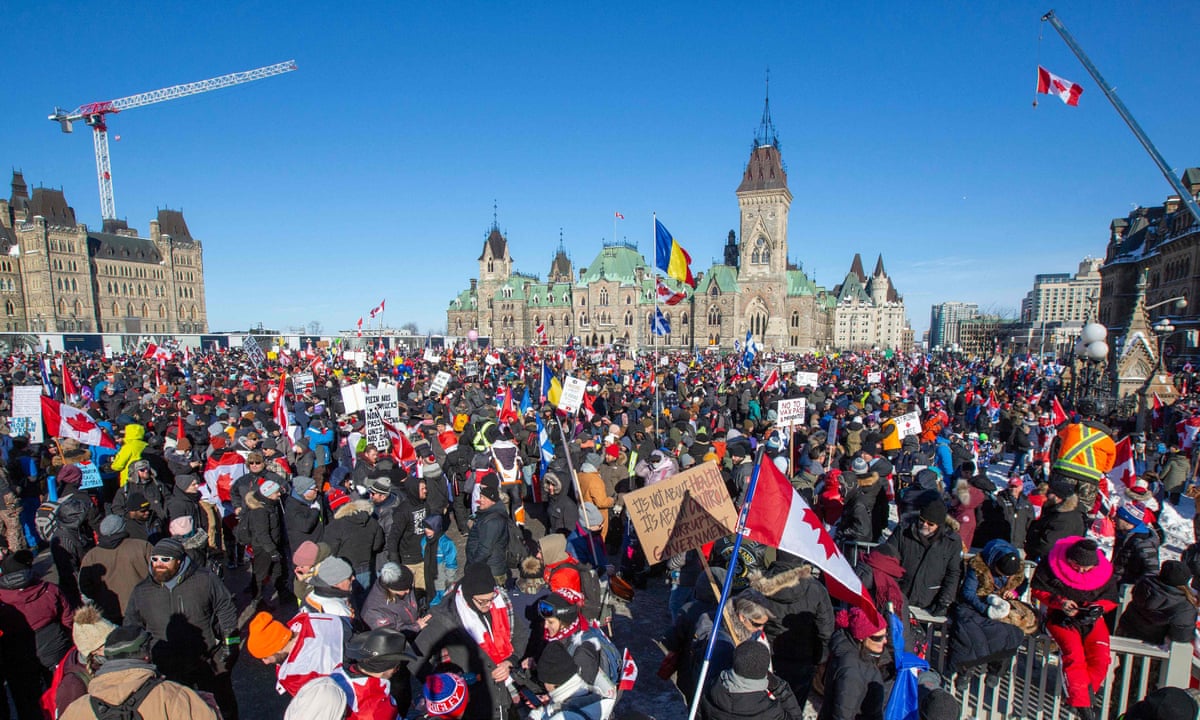
The events, which attracted thousands of participants particularly in the Greater Toronto Area, featured calls for expanded civil liberties and an end to longstanding limitations on personal freedoms within Iran. Demonstrators emphasized that the operations appeared directed at regime institutions and security apparatus rather than the general population, with some expressing cautious optimism that such measures could diminish repressive capacities and create space for internal reforms or a structured transition.
In Richmond Hill, home to one of North America’s largest concentrations of Iranian-Canadians, marchers carried signage referencing historical instances of detention and unrest in Iran. Participants shared personal accounts, including connections to family members still in the country, and highlighted a belief that civilian areas had been largely avoided in the strikes. Speakers urged sustained international focus on human rights and political developments in Iran.
These mobilizations continue a pattern of active diaspora engagement seen in prior large-scale events this year, including significant turnouts in Toronto. A recurring theme has been endorsement of Crown Prince Reza Pahlavi, the exiled son of the last Shah, who has advocated for democratic principles, secular governance, and a transitional framework. Demonstrators have called on governments in the United States, Canada, and elsewhere to engage more directly with opposition figures like Pahlavi and amplify diaspora perspectives in policy discussions.
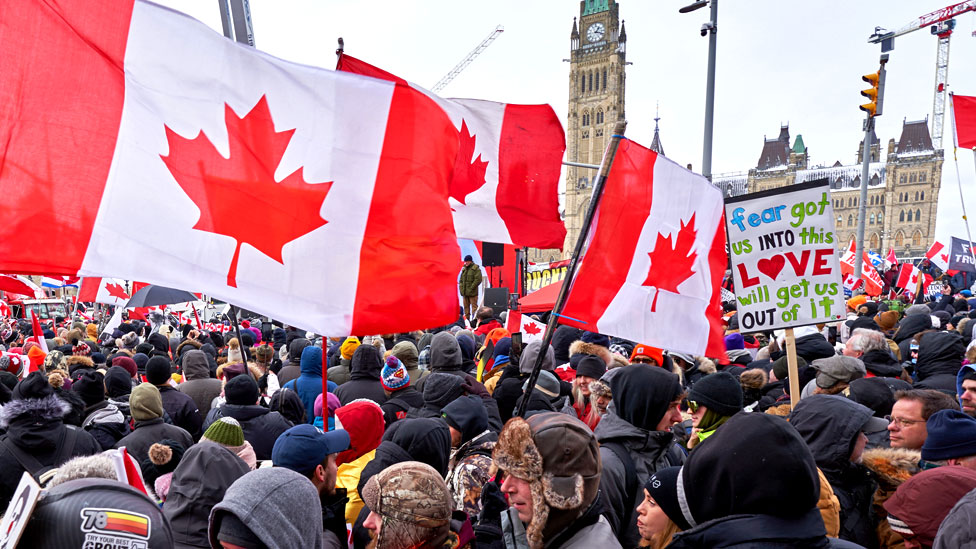
Canada hosts one of the world’s largest Iranian diasporas, with communities concentrated in Ontario, Quebec, and British Columbia. Many members arrived as refugees or immigrants following the 1979 revolution and subsequent periods of political tension. The community has consistently advocated for human rights, greater openness, and accountability regarding events in Iran, including responses to domestic protests and restrictions on civil society. Recent rallies build on earlier demonstrations that drew substantial crowds in Toronto and other cities, often organized around themes of solidarity with internal movements seeking change.
The current wave of gatherings coincides with the onset of U.S. and Israeli military actions starting late February 2026. These operations, described by U.S. officials as targeting IRGC command structures, missile capabilities, air defense systems, and other regime-linked assets, have included reported strikes on headquarters and senior figures. Public reporting indicates significant impacts on operational capacities, with ongoing exchanges involving retaliatory measures from Iranian-linked entities across the region.
/arc-goldfish-bellmediainc-thumbnails.s3.amazonaws.com/03-10-2025/t_0dd455ea61de48508c418d515a4ca361_name_processed_7966FB67_2D0F_4187_92D1_A5CB095F40A0.jpeg)
Within the diaspora, the developments have prompted renewed public expressions of hope for political evolution. Participants have framed the operations as potentially disruptive to mechanisms of control rather than broad-based aggression, distinguishing between regime elements and the Iranian populace.
For many in the community, the rallies reflect long-held aspirations for a governance model aligned with democratic norms and individual rights. Support for figures such as Reza Pahlavi stems from his public platform emphasizing non-violent transition, national unity, and secular institutions. Diaspora leaders have highlighted the need for external actors to recognize transitional representatives and support frameworks that could facilitate internal dialogue and reform.
The broader context involves ongoing concerns about regional security dynamics, including nuclear-related issues and proxy activities, which have informed the rationale for the military measures. From the diaspora perspective, these events offer a moment to advocate for policies that prioritize human rights and political pluralism over prolonged confrontation.
The unfolding situation has introduced elements of uncertainty into global energy markets, given Iran’s position in oil and gas flows. Retaliatory actions have affected regional infrastructure and trade routes, contributing to short-term volatility in commodity prices. For Canada, with its own energy export profile and ties to international markets, these developments underscore the interconnectedness of geopolitical stability and economic planning. Diaspora voices have called attention to the potential for a more open Iran to integrate constructively into global trade and investment networks.
Iran’s energy resources remain central to regional considerations. The operations have targeted aspects of military infrastructure linked to resource control and projection. In the diaspora narrative, a transition toward greater openness could enable expanded cooperation in energy sectors, benefiting global supply reliability. Canada’s own diversification strategies in energy partnerships position it to navigate such shifts while maintaining focus on stable, rules-based international engagement.
The rallies occur amid active diplomatic and military developments involving multiple states. Retaliatory responses have extended to various locations hosting U.S. assets, highlighting the regional scope of tensions. Calls for de-escalation and dialogue persist from various quarters, alongside efforts to address core security and governance issues. The Iranian-Canadian community’s actions reflect wider patterns of diaspora advocacy in democratic societies, where expatriate groups seek to influence perceptions and policies related to their countries of origin.
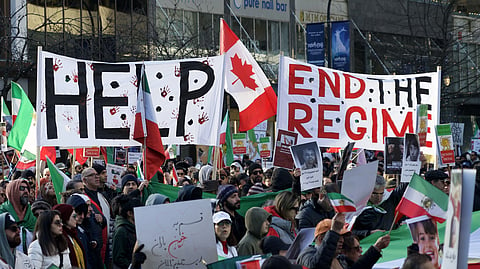
The weekend demonstrations by Canada’s Iranian diaspora illustrate the deep connections many maintain with developments in Iran and their commitment to advocating for political change through peaceful, public means. As the situation evolves, with ongoing military exchanges and diplomatic channels under strain, these voices contribute to broader discussions on pathways toward stability, rights protections, and inclusive governance. The long-term trajectory will depend on the interplay of internal dynamics, regional responses, and international engagement, with implications for security, energy flows, and geopolitical relationships across West Asia and beyond.