Venezuela, Big Oil and Washington: Inside the Trump Administration’s Quiet Recalibration of Power in Latin America
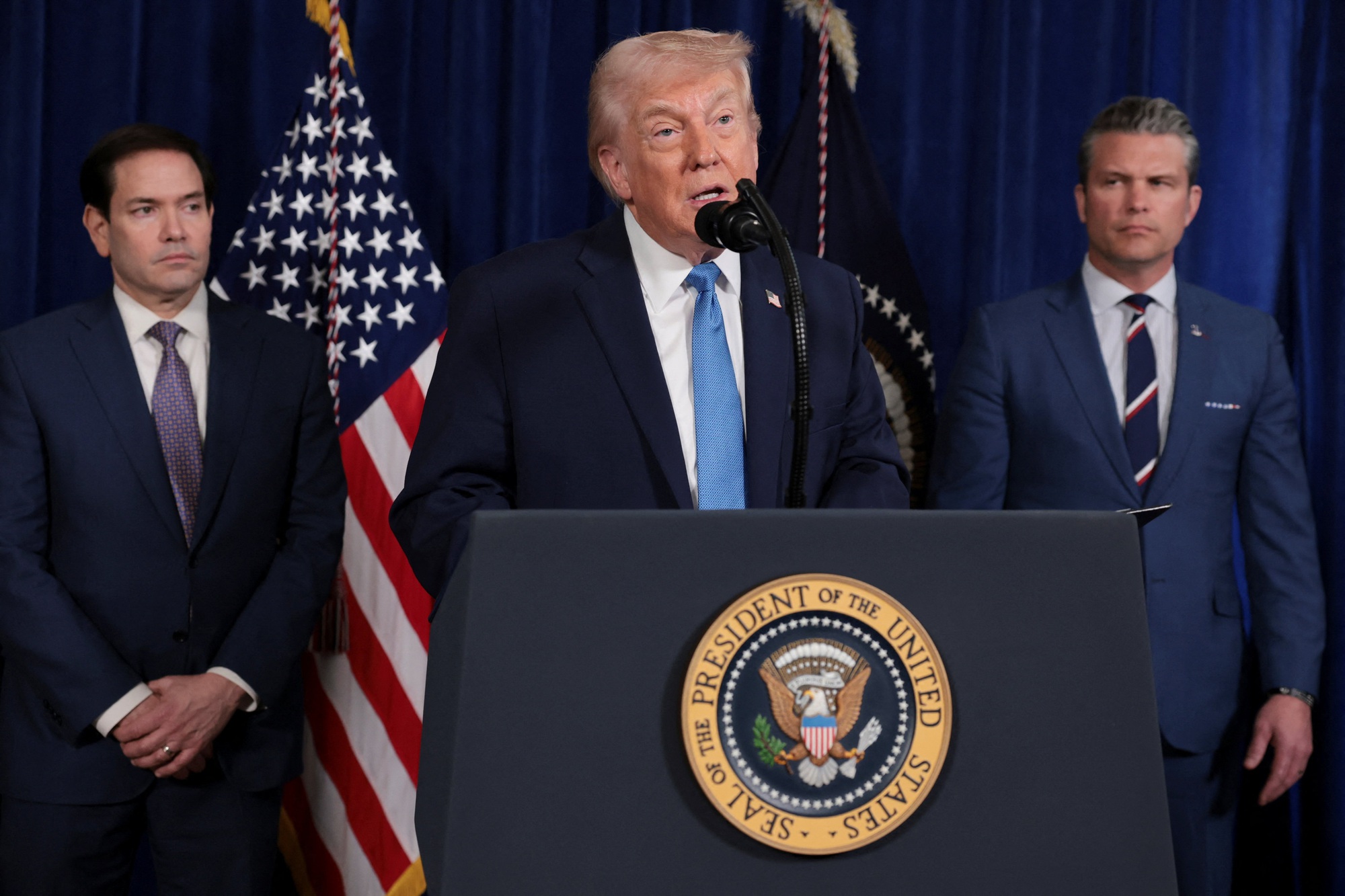
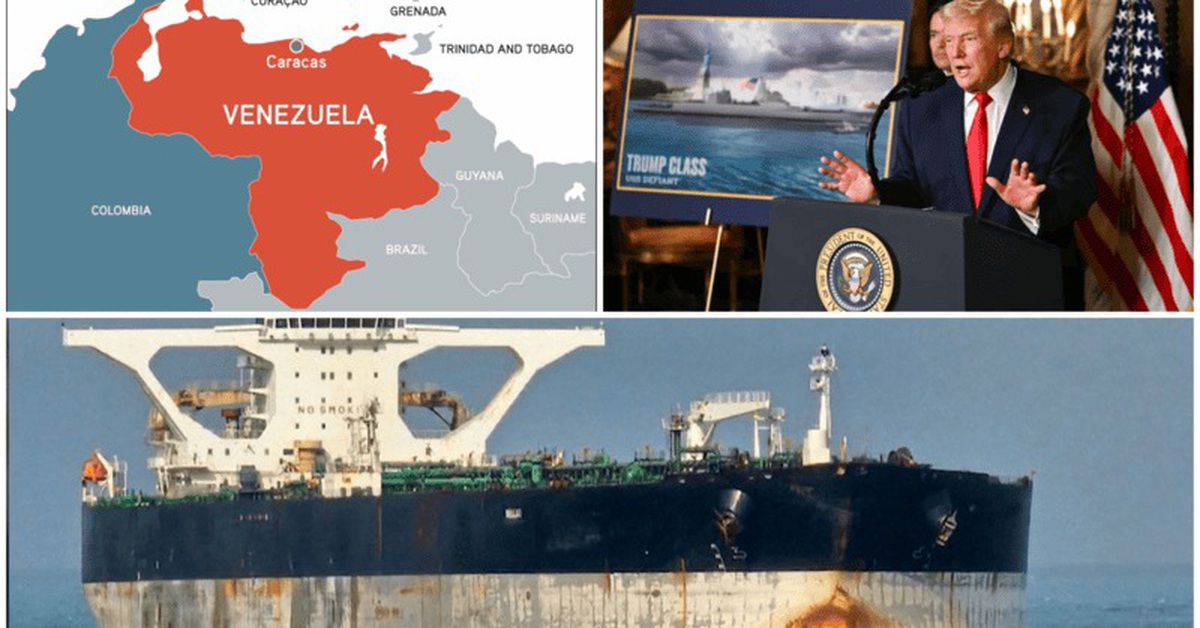
Washington — When President Donald Trump stood before reporters last week and spoke more than 20 times about oil while addressing the situation in Venezuela, the message was unmistakable to seasoned foreign-policy observers: something fundamental had shifted.
The United States, long professing support for democratic movements in Latin America, now appears to be pursuing a narrower objective — stability and energy access — even if that means preserving much of the authoritarian machinery it once vowed to dismantle.
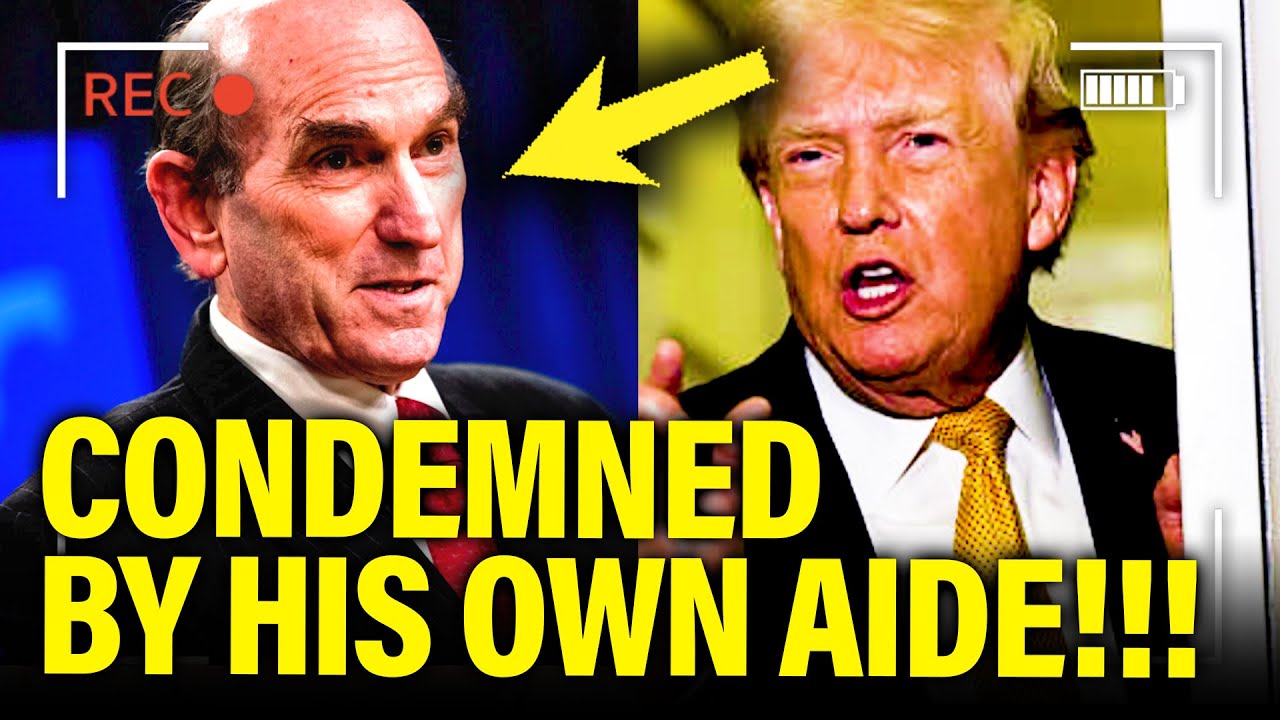
This assessment is no longer coming solely from critics on the political left. It is now being echoed by a surprising source: Elliott Abrams, the Trump administration’s own former special envoy to Venezuela during Trump’s first term.
A Rare Public Break
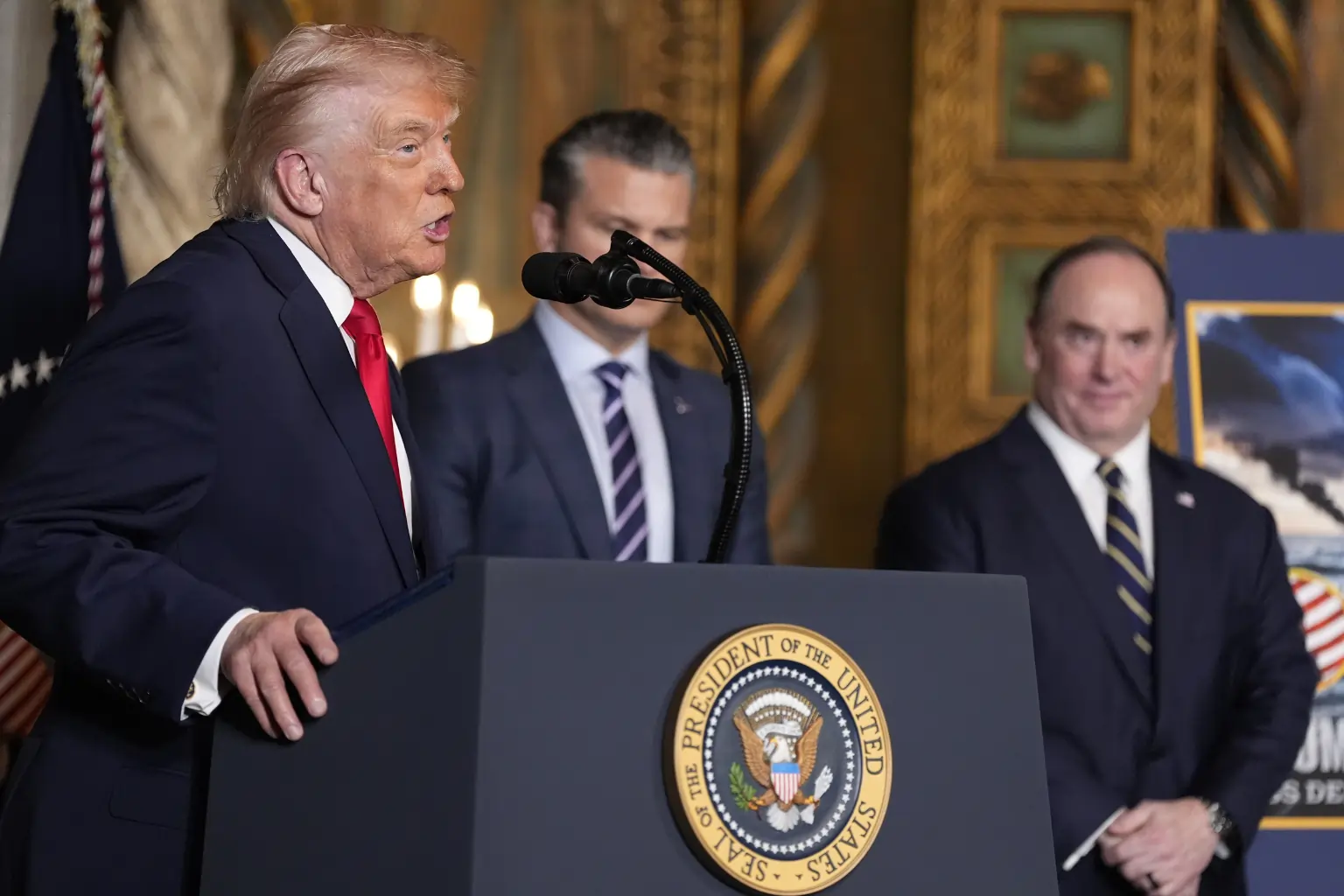
In a recent CNN interview and accompanying op-ed, Abrams delivered a pointed rebuke of the current administration’s Venezuela policy. His criticism centered on what he described as a troubling absence of any concrete plan to restore democracy following the removal of Nicolás Maduro.
“Where is the push for democracy?” Abrams asked publicly. “Where is the plan to install the legitimately elected leadership?”
Abrams’ remarks quickly reverberated across Washington and U.S. political media, amplified by platforms such as CNN, Face the Nation, and widely shared clips on X (formerly Twitter). Analysts noted that Abrams did not merely criticize tactical mistakes; he questioned the underlying motive of the policy itself.
According to Abrams, Venezuelan bureaucrats and U.S. oil executives have been quietly converging around a single objective: not democratic transformation, but a compliant post-Maduro regime willing to cooperate with Western energy interests.
The Apparatus Remains

The core of the controversy lies in what did not change after Maduro’s removal.
Despite early rhetoric suggesting a clean break from authoritarian rule, Venezuela’s state apparatus remains largely intact. Key figures tied to the old regime — including senior military leadership, interior security officials, and entrenched party elites — continue to wield power.
Among those still influential are Vladimir Padrino López, head of the armed forces, and senior figures within the National Assembly closely aligned with the previous government. Cuban security assistance — long funded through Venezuelan oil shipments — is also believed to remain in place, according to multiple regional analysts cited by U.S. media.
Critics argue that this continuity undermines any claim that Washington’s intervention was motivated by democratic principles.
Rubio Under Scrutiny
Secretary of State Marco Rubio has found himself at the center of the debate.
During an appearance on CBS’s Face the Nation, host Margaret Brennan confronted Rubio directly with Abrams’ claims — specifically the allegation that oil interests had influenced the administration’s posture toward Venezuela.
Rubio denied the accusation, insisting that U.S. actions were driven by security concerns, narcotics trafficking, and the presence of Iranian- and Hezbollah-linked networks in the region. He emphasized the need to rebuild Venezuela’s oil sector, which he described as “completely destroyed,” through private investment.
But critics say Rubio’s response avoided the core question: why the administration appears to be distancing itself from Venezuela’s democratic opposition leaders, despite previously recognizing their legitimacy.
The Abandoned Opposition?
In 2024, opposition candidate Edmundo González and political leader María Corina Machado were widely recognized by the United States and numerous international observers as the winners of Venezuela’s contested election.
Rubio himself had once referred to González as the “rightful president” of Venezuela.
Now, however, the administration’s tone has shifted. When pressed on whether Washington was actively working to install González and Machado as leaders of a transitional government, Rubio spoke instead about broader regional security priorities and dismissed comparisons to past U.S. interventions in Iraq or Afghanistan.
To critics, the message was clear: democracy promotion is no longer the primary objective.
Oil Over Ideals?
Progressive media outlets such as Midas Touch Network and Legal AF, whose segments on the issue have gone viral on YouTube and X, argue that the administration has effectively chosen a “managed authoritarianism” model — preserving the existing regime’s structure while ensuring it aligns with U.S. energy and geopolitical interests.
They point to Trump’s campaign-era fundraising ties to major oil donors and his rollback of environmental regulations as evidence that energy policy has consistently taken precedence over democratic norms.
“If Venezuela didn’t have oil,” one Legal AF commentator argued, “there is no reason to believe the U.S. would be involved at all.”
A New Doctrine?
Some analysts now describe the administration’s approach as a revival — or mutation — of the Monroe Doctrine: asserting U.S. dominance in the Western Hemisphere while tacitly conceding influence elsewhere to rival powers such as Russia and China.
Under this framework, Venezuela is viewed less as a democratic cause and more as a strategic chess piece — a former Russian-aligned state that must be neutralized, even if it remains authoritarian.
This interpretation has sparked concern among European diplomats and international law scholars, who warn that such selective enforcement of democratic principles could erode U.S. credibility globally, particularly as Washington continues to criticize Russia’s actions in Ukraine.
Unanswered Questions
Despite repeated assertions that the operation in Venezuela was driven by law enforcement — including references to indictments filed in New York — senior Justice Department officials have been notably absent from public briefings.
Instead, the public face of the effort has been dominated by national security figures, intelligence officials, and senior political appointees, fueling speculation that the legal rationale may be secondary to broader strategic goals.
As debates intensify across cable news, social media, and foreign policy circles, one question continues to loom: Has the United States quietly abandoned democracy promotion in Venezuela in favor of oil, stability, and geopolitical expediency?
For now, the administration insists that it has not. But as Elliott Abrams’ rare public dissent demonstrates, even insiders are no longer convinced.