Viral Hoax Rocks Super Bowl Buzz: Coca-Cola’s Alleged Ultimatum to NFL Over Bad Bunny Debunked Amid Cultural Firestorm
By Elena Vasquez, Entertainment and Media Correspondent
ATLANTA — In the high-stakes world of American sports and corporate branding, few events command the global spotlight like the Super Bowl. But as preparations ramp up for Super Bowl LX on February 8, 2026, at Levi’s Stadium in Santa Clara, California, a fabricated controversy has thrust the NFL into an unexpected battle—not with players or politics, but with a relentless tide of online misinformation. At the center: a viral claim that Coca-Cola CEO James Quincey issued a bombshell ultimatum, threatening to sever the beverage giant’s ties to the league unless Puerto Rican superstar Bad Bunny is yanked from the Apple Music Halftime Show. The rumor, which exploded across social media platforms, promised corporate drama on par with a Hollywood thriller. Yet, as fact-checkers and official sources scramble to douse the flames, the story reveals deeper fissures in America’s cultural landscape, where entertainment, immigration debates, and fake news collide with explosive force.

The hoax ignited on October 1, 2025, via a shadowy Facebook post linking to an ad-riddled blog post that screamed sensationalism. “I WILL END MY SPONSORSHIP OF THE SUPER BOWL IF THEY LET BAD BUNNY PERFORM AT HALFTIME,” the fabricated quote attributed to Quincey blared, painting a picture of a CEO drawing a line in the sand against “global trends” encroaching on “American traditions.” By October 3, the narrative had metastasized on X (formerly Twitter), with users like @DesireeStine50 amplifying it to thousands: “The battle over America’s biggest stage has exploded into open confrontation. Coca-Cola CEO James Quincey has issued an unprecedented ultimatum…” Threads posts and Facebook shares followed suit, racking up millions of impressions and comments that ranged from gleeful schadenfreude to outright fury. One viral video montage, viewed over 500,000 times on TikTok, spliced Quincey’s past interviews with dramatic music, implying corporate Armageddon.
What fueled the fire? Bad Bunny—real name Benito Antonio Martínez Ocasio—himself. The 31-year-old reggaeton icon, whose genre-blending hits have shattered streaming records and earned him billions of global streams, was announced as the halftime headliner on September 28, 2025, during a Dallas Cowboys-Green Bay Packers broadcast. It’s a historic nod to Latin music’s dominance: Bad Bunny’s 2022 album
Un Verano Sin Ti was Spotify’s most-streamed ever, and his influence has propelled the genre to $1.4 billion in U.S. revenues last year alone. But his selection, praised by NFL executives for “bridging genres, languages, and audiences,” quickly devolved into a culture war flashpoint.
Critics on the right decried the choice as emblematic of “woke” overreach. Right-wing podcaster Benny Johnson labeled Bad Bunny a “massive Trump hater” and “anti-ICE activist” who sings “no songs in English,” warning the NFL was “self-destructing.” Trump’s former campaign manager, Corey Lewandowski, escalated the rhetoric on Johnson’s show, vowing ICE enforcement at the game to target “people who are in this country illegally.” The backlash echoed Bad Bunny’s own decision to skip U.S. tour dates on his
Débi Tirar Más Fotos world tour, citing fears of ICE raids on his predominantly Latino fanbase. In an i-D magazine interview, the artist expressed solidarity with undocumented immigrants, a stance that has long irked conservative circles.
Enter the Coca-Cola rumor, which slotted neatly into this narrative of cultural backlash. The company, a perennial Super Bowl advertiser with iconic spots dating back decades (including a 2025 ad featuring polar bears), was cast as the all-American defender against “foreign” influences. The hoax’s timing was impeccable: just days after the announcement, it tapped into simmering resentments, with shares spiking amid posts decrying the halftime show as “un-American.” Spanish-language versions proliferated too, like a viral clip on X translating the “ultimatum” into Latin American slang, amassing 98,000 views.

But the truth? It’s as flat as day-old soda. Fact-checking outlets like Snopes, Lead Stories, and Hindustan Times swiftly dismantled the claim, tracing it to junk-content farms designed for ad revenue. A Coca-Cola spokesperson confirmed to Snopes: “The Coca-Cola Company is not a Super Bowl sponsor,” noting the firm hasn’t held official event sponsorship since Pepsi’s era ended in 2022. Quincey, reached via email through company channels, issued no such statement; his recent public comments focused on sustainability and AI in supply chains, not reggaeton. Even AI tools like Grok debunked it, citing zero evidence in press releases or NFL updates.
The NFL’s response? A masterclass in measured defiance that has, ironically, amplified the real story. In a statement to Rolling Stone, league spokesperson Brianna McCarthy affirmed: “Bad Bunny’s performance will celebrate the diversity that makes America great. We’re committed to inclusive entertainment that unites fans worldwide.” Commissioner Roger Goodell, during a October 5 presser, dismissed the hoax outright: “We’ve seen baseless rumors before—our focus is on delivering an unforgettable show. Bad Bunny embodies the energy our audience craves.” The “stunning” retort users hyped? Likely a nod to this unyielding support, which stunned hoax-peddlers expecting capitulation. White House Press Secretary Karoline Leavitt, queried by Fox News’ Peter Doocy on October 3, offered a cryptic sidestep: “No current plans for ICE at the Super Bowl,” fueling speculation but clarifying no federal interference.
On X, the platform’s latest search mode revealed a deluge of corrections amid the chaos. Users like @allwysarose and @NocturnalRiddle fact-checked in real-time, with posts garnering thousands of likes: “This is a hoax—don’t fall for it.” Yet, die-hard believers persisted, with one thread from @nadjiasusie insisting on the “demonic” artist’s ousting, complete with a meme of Quincey wielding a cola bottle like a sword. Reddit’s r/OutOfTheLoop thread exploded to 308 upvotes, distilling the frenzy: “It’s less about the music and more about weaponizing Puerto Rican identity in immigration fights.”
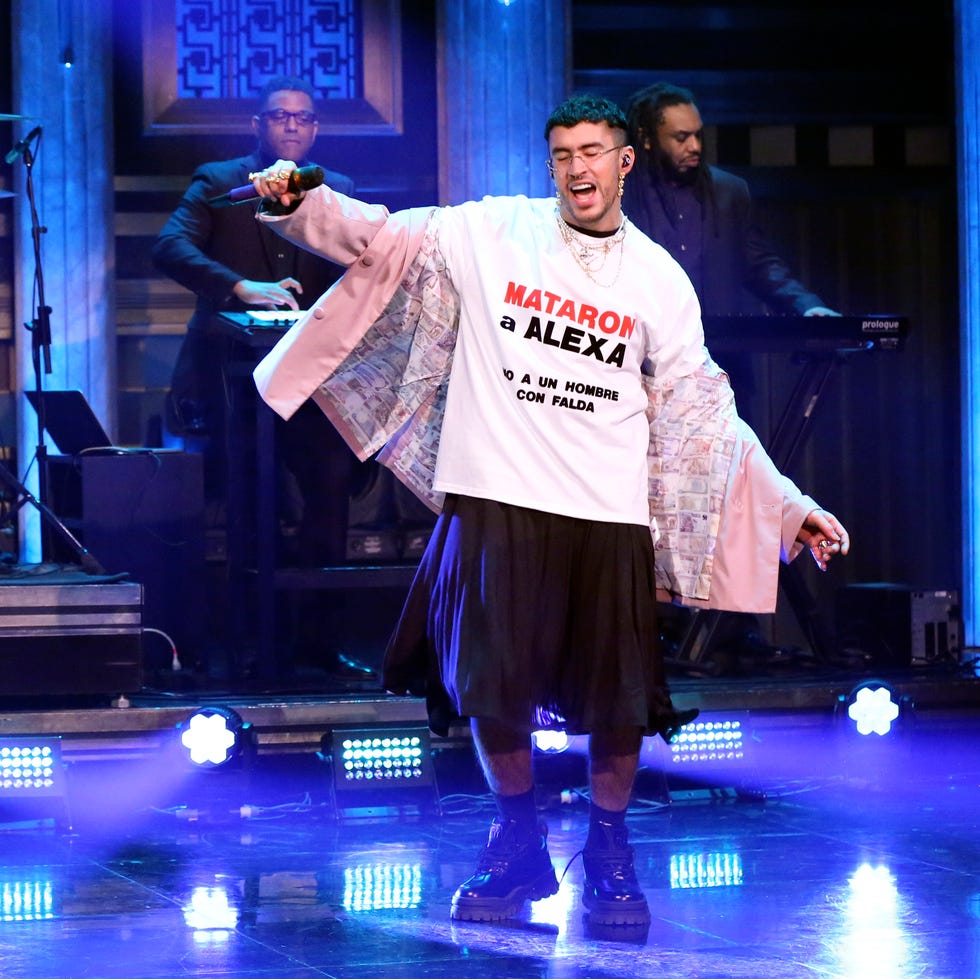
For Bad Bunny, the silver lining shines bright. His announcement video—filmed on a Puerto Rican beach in a pava hat and chanclas—has 50 million views, blending football flair with cultural pride. Fans rallied with #BadBunnySuperBowl, trending globally and drawing support from stars like Rosalía and J Balvin. “This is our moment,” Bad Bunny posted on Instagram, teasing a setlist fusing salsa, trap, and NFL anthems.
The episode underscores a troubling trend: misinformation’s grip on discourse. As Dr. Maria Lopez, a cultural studies professor at UCLA, notes, “Hoaxes like this exploit real tensions—anti-Latino sentiment under the current administration—to manufacture outrage for clicks.” Coca-Cola’s brand, already navigating greenwashing accusations in India, dodged a PR bullet but highlighted vulnerabilities in an era of deepfakes and echo chambers.
As Super Bowl hype builds, the NFL eyes record viewership—projected at 120 million—fueled by Bad Bunny’s crossover appeal. The hoax may fade, but its echoes linger: a reminder that in America’s arena, the fiercest tackles often happen off the field. For now, Quincey sips quietly, the NFL marches on, and Bad Bunny? He’s just getting warmed up.