A Vanity Fair Profile Turns Into a Crisis Inside Trump’s White House
What was intended to be a revealing but controlled portrait of President Trump’s inner circle has instead become a destabilizing moment for his administration, exposing deep fractures within a White House already strained by public distrust and internal volatility.
The spark came from a Vanity Fair profile built around extensive interviews with Susie Wilds, the White House chief of staff and a central architect of Trump’s 2024 campaign. Published as a two-part feature, the article quickly attracted attention not for its access, but for its candor. Wilds, described by the magazine as the most powerful figure in the Trump White House, spoke with unusual bluntness about the president’s personality, his governing instincts, and the people surrounding him.
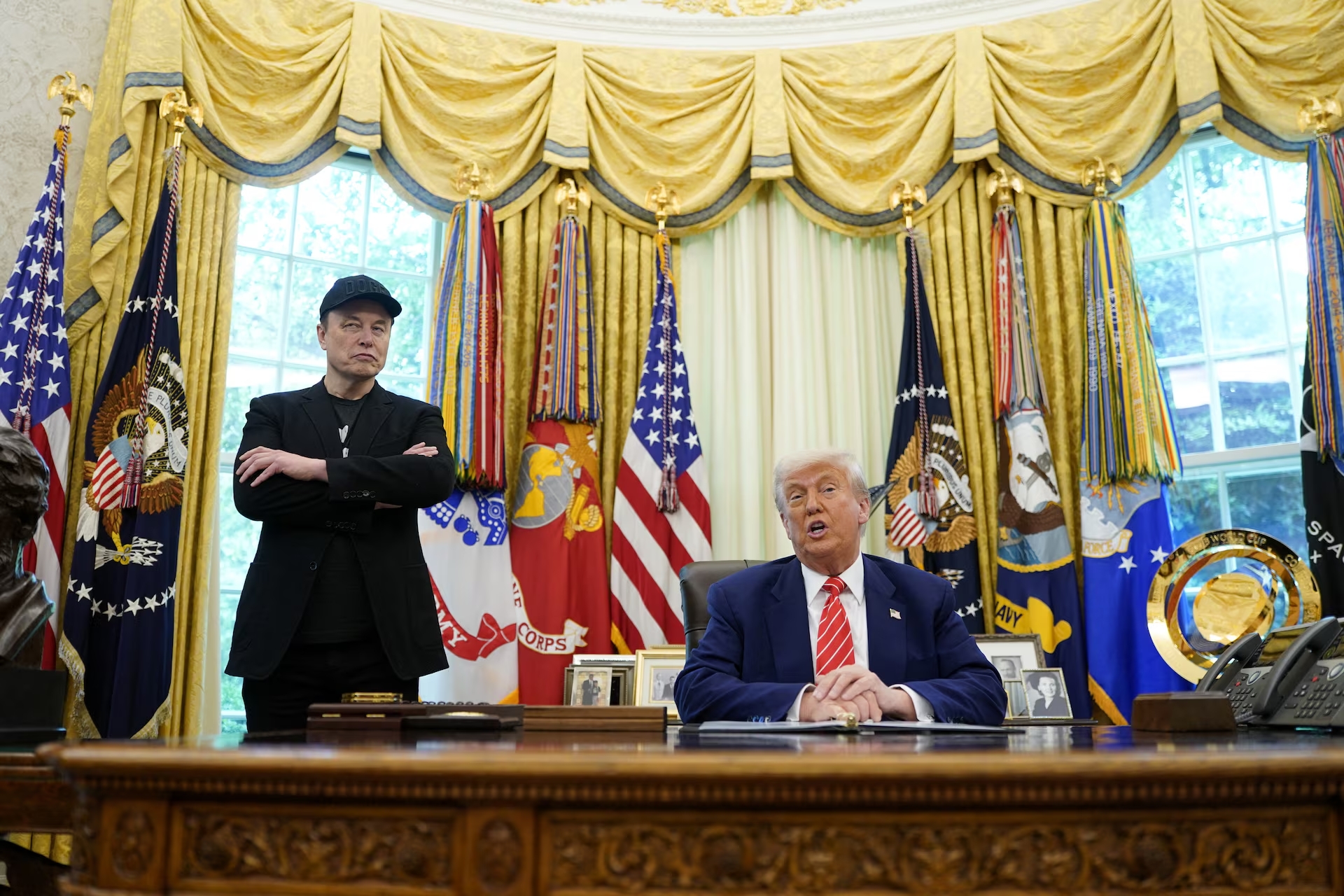
Among the remarks that reverberated through Washington were her characterization of Trump as having what she called an “alcoholic’s personality,” and her thinly veiled skepticism toward Vice President JD Vance’s political evolution from vocal critic to devoted ally. She also described Elon Musk—briefly elevated within the administration’s orbit—as erratic and difficult to manage, an assessment that undercut efforts to portray the administration as disciplined and unified.
The reaction was swift. As excerpts spread across cable news and social platforms, the White House entered damage control mode. Wilds issued a statement calling the profile a “disingenuously framed hit piece,” accusing Vanity Fair of constructing a chaotic narrative out of context. Notably absent from her response, however, was a direct denial of the most incendiary quotes.
That omission became more consequential when The New York Times reported that Vanity Fair had shared audio recordings of Wilds’s interviews with the newspaper. According to people familiar with the tapes, they included conversations in which Wilds discussed Musk’s alleged drug use—remarks she had publicly denied making. The existence of the recordings complicated the administration’s attempts to dismiss the controversy as journalistic distortion.
The episode has sharpened attention on the broader condition of Trump’s governing coalition. Political analysts noted that Wilds’s comments, whether intentional or not, offered a rare window into a movement grappling with its own future. Speaking on CNN, the political strategist David Callahan suggested that the interviews reflected an anxiety about what comes after Trump—how to preserve a coalition that appears increasingly fragmented among independents, younger voters, and key demographic groups that once formed the backbone of his electoral strength.
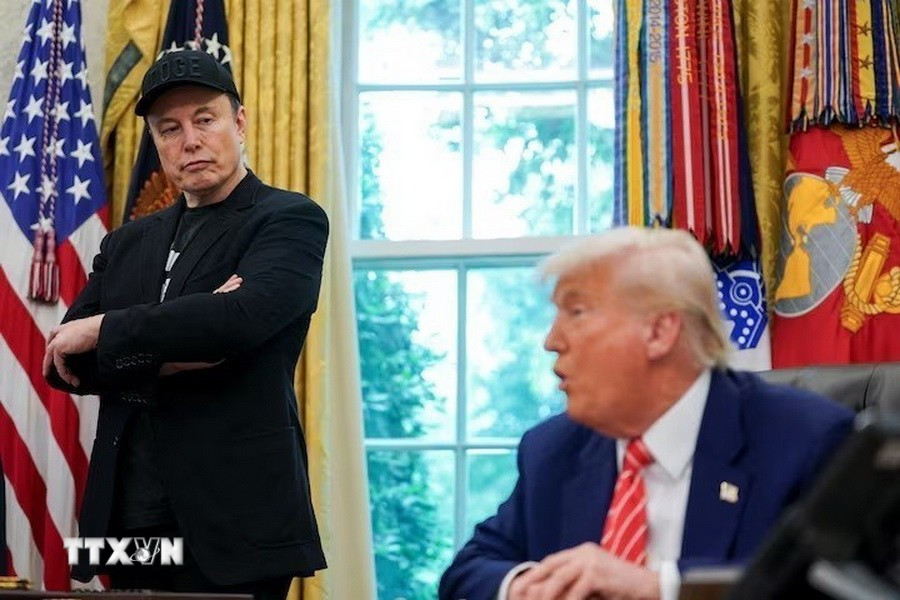
Inside the White House, the fallout has been less visible but no less consequential. Current and former officials, speaking on condition of anonymity, described a tense atmosphere marked by recriminations and uncertainty. Some cabinet members reportedly expressed anger at Wilds for speaking so freely; others worried that her remarks simply articulated concerns long discussed in private.
The president himself has remained publicly silent. That silence has fueled speculation about his next move. Dismissing Wilds could signal accountability but would deprive Trump of a loyal enforcer who has shielded him from internal dissent. Keeping her, however, risks reinforcing an image of drift and indecision at a moment when the administration is already facing criticism over economic pressures, immigration enforcement, and foreign policy instability.
Historians have been cautious about drawing direct comparisons, but several observers noted that the scale of public disarray recalled earlier moments of executive collapse, including the scandals that engulfed the Harding administration a century ago. While the substance differs, the underlying dynamic—an inner circle exposed by its own words—feels familiar.
What makes the current episode particularly striking is not simply the content of Wilds’s remarks, but how openly they surfaced. In previous administrations, such assessments might have remained sealed in memoirs or leaked anonymously years later. Here, they arrived in real time, amplified by cable news, social media, and competing press narratives.
Whether the controversy leads to resignations or fades into the churn of daily political scandal remains uncertain. But it has already accomplished something rare: it has punctured, however briefly, the aura of control that Trump’s White House has worked relentlessly to project.
For now, the administration faces a dilemma of its own making—caught between denying what was said and confronting what the recordings appear to confirm. And as the story continues to unfold, one thing is clear: the most damaging revelations did not come from opponents or investigators, but from a trusted voice inside the room.