In a moment that many European diplomats privately describe as long overdue, leaders across the continent are now openly questioning — and in some cases rejecting — the leadership of the United States under former President Donald Trump. What began as a routine diplomatic gathering this week quickly evolved into a public reckoning, after Germany’s chancellor delivered remarks that reverberated far beyond the conference hall: the era of Pax Americana, he said, is effectively over.
The statement, delivered with unusual bluntness for a senior European leader, reflected a broader shift that has been quietly taking shape for years. Once whispered behind closed doors, Europe’s frustration with Mr. Trump’s worldview is now being aired in public, signaling a potential recalibration of the transatlantic alliance that has defined global politics since World War II.
According to officials familiar with the discussions, the meeting had been expected to focus on trade coordination and security cooperation. Instead, it exposed deepening divisions over America’s reliability as a partner. Several European leaders reportedly used the occasion to distance themselves from Mr. Trump’s approach to NATO, Ukraine, climate policy, and multilateral institutions — issues that have strained relations since his first term in office.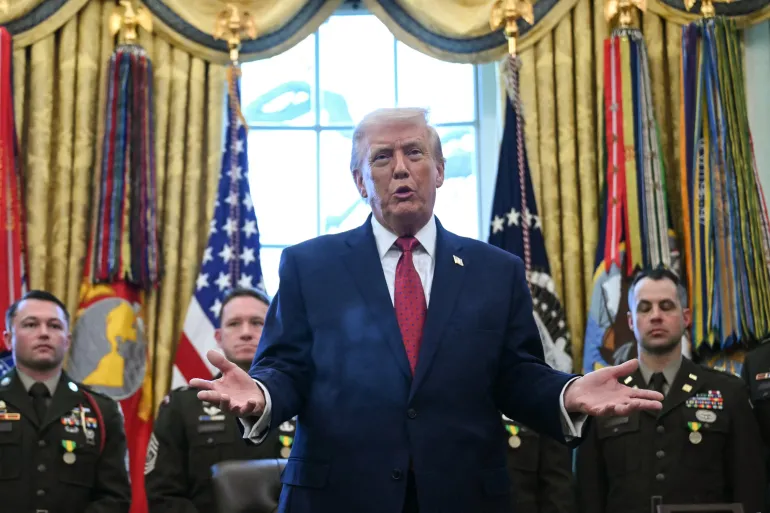
In his speech, Germany’s chancellor did not mention Mr. Trump by name. But the implication was unmistakable. He spoke of a world in which American leadership could no longer be assumed, arguing that Europe must now take responsibility for its own security, economic resilience, and diplomatic posture. “We must prepare for a global order in which old guarantees no longer apply,” he said, according to transcripts released afterward.
The remarks landed with force. Within hours, clips of the speech were circulating widely online, prompting intense debate across European and American media. Political analysts noted that such language would have been unthinkable a decade ago, when European leaders were careful to preserve the image of a unified Western front, even amid disagreements.
Behind the scenes, officials describe an atmosphere that was tense and unusually candid. Diplomats accustomed to carefully scripted exchanges were said to be taken aback by the directness of the conversations. Some spoke of a sense that Europe was no longer merely reacting to American politics, but actively preparing for a future in which Washington might be an unreliable — or even adversarial — force.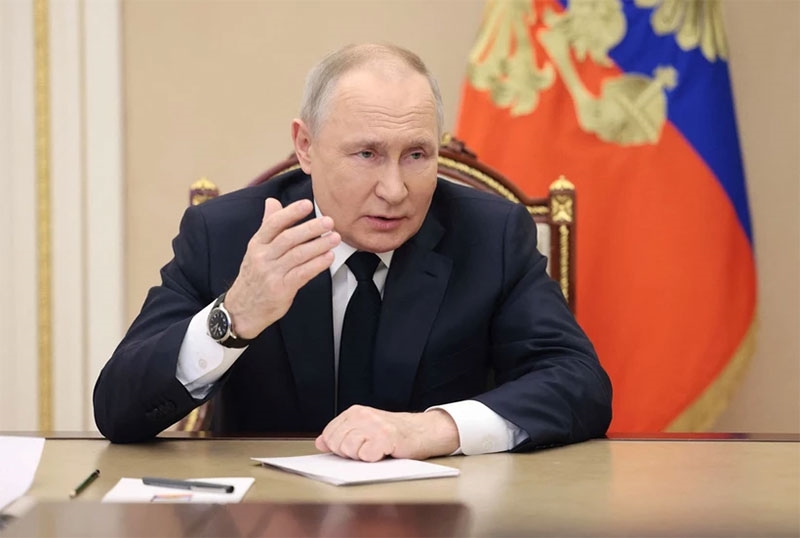
This shift has been driven by a series of accumulated grievances. Mr. Trump’s repeated questioning of NATO’s value, his transactional approach to alliances, and his open admiration for authoritarian leaders have all eroded trust. European officials also point to his withdrawal from international agreements, including the Paris climate accord, as evidence that American commitments could be reversed overnight.
Publicly, European leaders remain careful to emphasize the importance of the transatlantic relationship. Privately, many acknowledge that contingency planning is accelerating. Discussions about increased defense spending, independent military capabilities, and closer coordination within the European Union are no longer theoretical. They are becoming policy priorities.
In Washington, reactions have been mixed. Some Republican allies of Mr. Trump dismissed the European statements as overreaction, arguing that American strength does not depend on European approval. Others, including several former U.S. diplomats, warned that the damage could be long-lasting. “Alliances are built on trust,” one former official said. “Once partners begin planning around you instead of with you, that’s a strategic warning sign.”
Whether this moment marks a permanent rupture remains unclear. European leaders are acutely aware of their continued economic and security ties to the United States. Yet the tone has unmistakably changed. What was once diplomatic discomfort has hardened into strategic doubt.
As one senior European official put it privately, “This was not a tantrum. It was a declaration.” The question now facing both sides of the Atlantic is whether the relationship can be repaired — or whether the world is witnessing the early stages of a new global order, one in which America’s role is no longer assumed, but contested.