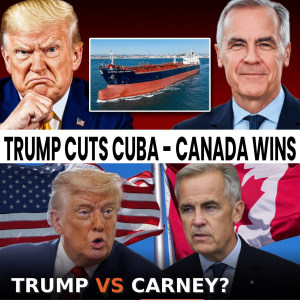
Pentagon Leaks Ignite Controversy Over Trump-Era Caribbean Strikes
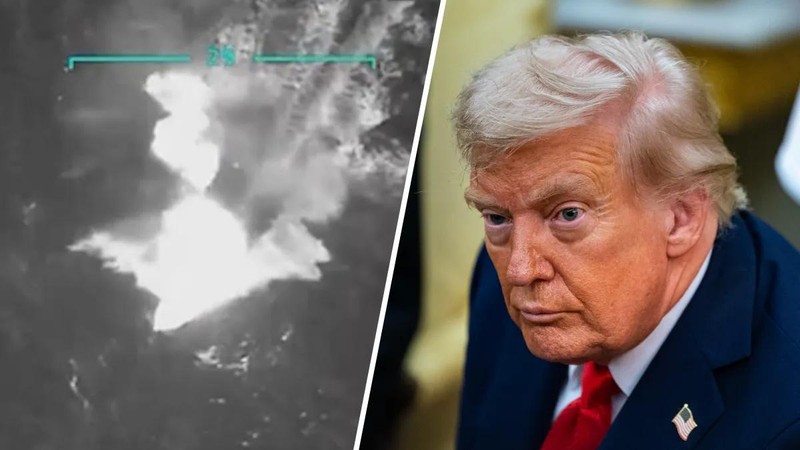
In a startling development, senior Pentagon officials have reportedly leaked a classified video depicting U.S. military strikes on small vessels in the Caribbean under President Donald Trump. The footage, described by congressional sources as both graphic and alarming, allegedly shows survivors clinging to wrecked boats following a so-called “double tap” strike. The leak has triggered intense debate over legality, military strategy, and the Trump administration’s approach to counter-narcotics operations, drawing sharp criticism from lawmakers and international partners alike.
Democratic members of Congress, including Adam Smith, ranking member of the House Armed Services Committee, have expressed profound concern over both the human cost and legal implications of the strikes. According to Smith, the operations targeted unarmed individuals with no means of communication, effectively eliminating the possibility of gathering intelligence or prosecuting higher-level traffickers. “If you kill the people on the boat, you lose both the intelligence and the legal ability to prosecute,” Smith said. These criticisms underscore the tension between the administration’s military-first approach and the Coast Guard’s decades-long law enforcement methodology, which emphasizes collaboration and precision.
Coast Guard officials have long relied on established partnerships with nations such as Colombia and the United Kingdom to disrupt drug trafficking through coordinated interdiction rather than lethal force. Congressional insiders suggest that these partners have voiced discomfort with the aggressive tactics deployed under the Trump administration, raising concerns that critical intelligence-sharing agreements could be jeopardized. “This is not a game you play on your own,” one source noted. “Lethal strikes without coordination risk eroding relationships built over decades.”
Administration officials defend the strikes as necessary to protect U.S. borders from transnational criminal threats. Republican lawmakers have echoed this framing, emphasizing that the operations target organizations that pose a direct danger to American communities. “These are terrorist organizations that are poisoning our streets,” one lawmaker said during a recent briefing. “The president has the authority to act decisively to protect Americans.”
Yet legal experts and critics argue that the strikes may violate U.S. law and international conventions, particularly regarding the treatment of shipwrecked or noncombatant individuals. The continued withholding of the full video has fueled these criticisms, as Democratic lawmakers contend that selective disclosure obscures crucial context about the operations. According to sources present at classified briefings, Secretary of Defense Pete Hegseth has released partial footage multiple times but maintains that the full 5½-hour recording remains classified due to national security concerns.
Ethical and strategic questions are also at the forefront. Analysts note that targeting low-level operatives may fail to disrupt the larger trafficking network, while simultaneously alienating regional partners and compromising long-term intelligence-gathering efforts. Former narcotics prosecutors emphasize that interrogating captured individuals is often far more effective than indiscriminate strikes. “You focus on the kingpins, not the lowest-level operatives,” one expert said.
The political ramifications are significant. Members of Congress are reportedly considering a War Powers Resolution requiring presidential authorization for future military operations in the Caribbean and near Venezuela. Representative Gregory Meeks, senior member of the House Foreign Affairs Committee, stressed the need for legislative oversight. “Unchecked military action sets a dangerous precedent,” Meeks said. “Congress must have a say before lives are lost overseas.”
Public reaction to the partial footage has been swift and vociferous. Clips that have circulated online have sparked widespread debate, with social media users dissecting the legality and morality of the operations. Memes and viral posts comparing Trump to past wartime presidents illustrate the unease many Americans feel regarding unilateral military action. Observers warn that this public scrutiny may influence both domestic opinion and international perceptions of U.S. military policy.
The leak also raises broader questions about transparency, national security, and accountability. While administration officials cite longstanding policy and sensitive operational details as reasons for withholding the full video, critics argue that selective disclosure undermines public trust and hampers congressional oversight. Without full transparency, confidence in U.S. operations may erode, complicating collaboration with regional allies in counter-narcotics and security initiatives.

As the controversy unfolds, lawmakers, analysts, and the public are grappling with the implications of lethal strikes conducted without full oversight. The debate touches on fundamental questions about presidential authority, international law, and the balance between rapid military action and measured law enforcement strategy. With allegations of potential war crimes, erosion of key alliances, and the growing political stakes surrounding Venezuela, the fallout from the leaked Caribbean strike footage is likely to reverberate for months to come.