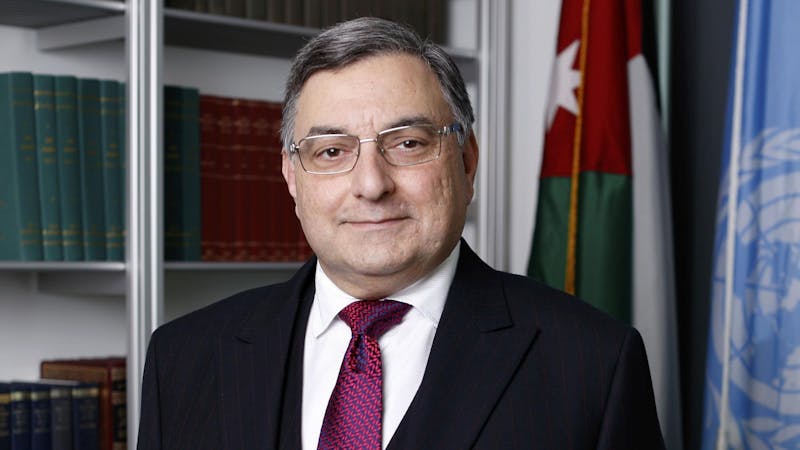
Washington — The recent US military strikes on Iranian facilities have drawn pointed criticism from international-law experts, who argue the operations lack clear justification under the United Nations Charter or customary international law. Faisal al-Istrabadi, a former Iraqi ambassador to the United Nations and current director of the Center for the Study of the Middle East at Indiana University, described the administration’s stated rationale as among the weakest he has encountered in decades of observing global conflicts.
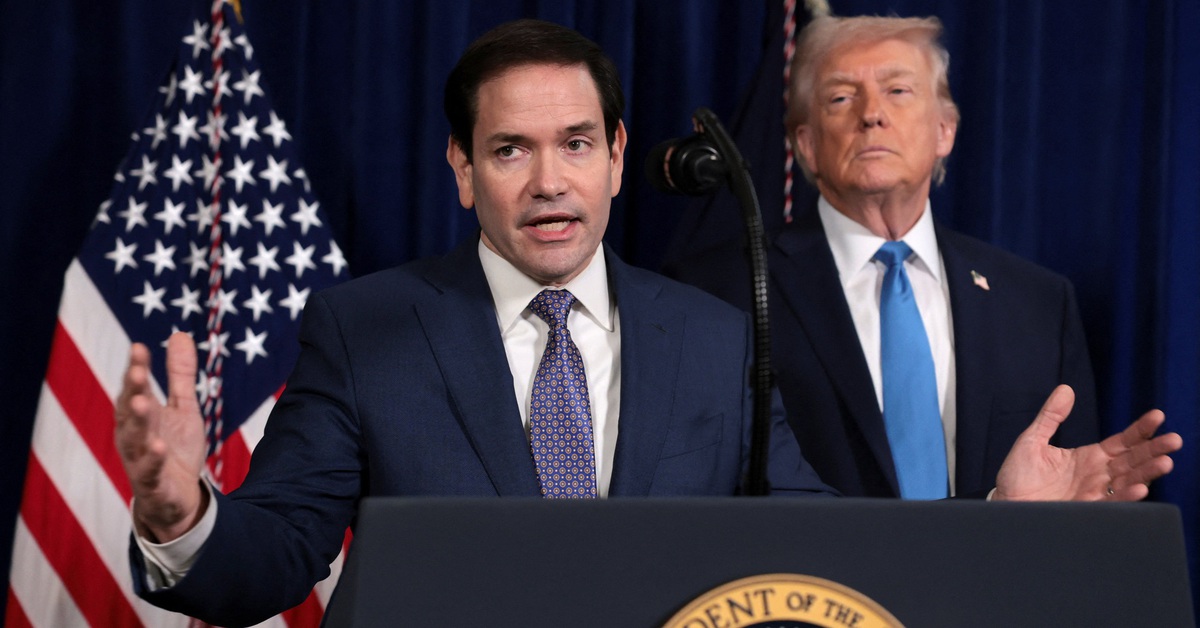
US Secretary of State Marco Rubio defended the strikes in remarks to reporters, explaining that the action aimed to preempt anticipated Iranian responses following an expected Israeli operation. He indicated that US intelligence assessed a high likelihood of attacks on American forces if no preventive steps were taken, potentially leading to significant casualties. Rubio also expressed hope for internal political change in Iran while emphasising that the immediate objective was to neutralise military threats posed by Iranian capabilities.
Al-Istrabadi contended that the explanation does not meet the Charter’s strict criteria for permissible use of force. Article 51 recognises an inherent right of self-defence if an armed attack occurs, while Article 2(4) prohibits the threat or use of force against the territorial integrity or political independence of any state. Absent Security Council authorisation or an ongoing or imminent armed attack, he argued, the strikes fall outside recognised legal bounds. He further suggested that domestic US constitutional practice would ordinarily require congressional authorisation for sustained military action absent an immediate emergency necessitating unilateral presidential response.
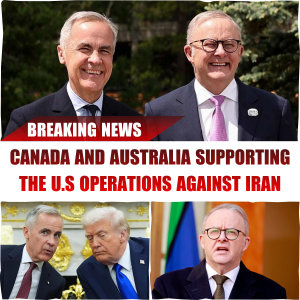
The critique echoes broader concerns about the erosion of norms that have, however imperfectly, constrained interstate violence since 1945. Al-Istrabadi noted that while powerful states have at times acted outside these parameters, repeated deviations risk degrading the principle itself. He referenced recent Canadian commentary—attributed to Prime Minister Mark Carney—lamenting perceived weakening of the rules-based order, and questioned the consistency of Western support for the current US action alongside condemnation of similar conduct by others.

The strikes form part of an escalating sequence of regional developments involving Israel, Iran, and associated groups. Reports indicate Israeli operations prompted Iranian-linked responses, including from Hezbollah in Lebanon, with subsequent counter-actions. US officials have signalled readiness to employ additional force if necessary, while Iranian authorities have stated preparedness for prolonged engagement. No comprehensive strategic objective has been publicly detailed beyond degrading specific military capacities, such as ballistic-missile production and storage sites.
Observers note the absence of articulated end-state planning or clear post-conflict vision. Al-Istrabadi expressed particular concern over potential outcomes in Iran, warning that instability or state failure could prove counterproductive for regional stability and the Iranian population. He questioned whether military pressure alone could achieve lasting security goals, pointing to earlier negotiation efforts that appeared undermined by subsequent escalations.
The episode has also revived domestic debate in the United States over executive war powers. Some congressional figures have called for greater oversight, while others have supported the administration’s framing of the action as defensive. No formal authorisation resolution has been introduced, though briefings to select members have taken place.
Internationally, responses remain varied. Several allies have expressed understanding of US concerns over Iranian military activities while stopping short of endorsing the legal rationale. Others have urged de-escalation and renewed diplomatic channels. The UN Security Council has not convened an emergency session specifically on the strikes, though related regional tensions continue to feature in multilateral discussions.
As military operations evolve, attention is turning to the implications for broader non-proliferation efforts, regional deterrence postures, and the credibility of international legal frameworks. Analysts emphasise the need for clarity on objectives and exit strategies to avoid unintended prolongation of conflict. The coming weeks are expected to reveal whether the current phase yields a defined outcome or contributes to further uncertainty in an already volatile region.