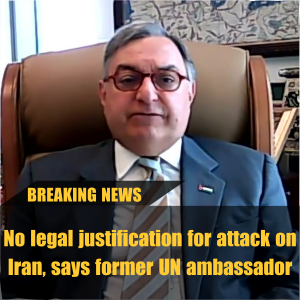
Canberra — A prominent security advisor has raised questions about Australia’s rapid endorsement of recent US military operations against Iranian facilities, arguing that such alignment may undermine the country’s advocacy for a rules-based international order. In an opinion piece published in The Guardian, Allan Behm, who advises on international and security affairs at the Australia Institute, described the support as potentially portraying Australia as gullible or duplicitous, particularly in light of conflicting claims regarding Iran’s nuclear capabilities.
Behm’s commentary comes amid ongoing regional developments, where US strikes have targeted Iranian leadership and infrastructure, justified by the Trump administration as necessary to prevent nuclear-weapon development and broader instability. Australian Prime Minister Anthony Albanese has expressed backing for the actions, emphasising Iran’s role in regional tensions and its human-rights record, while underscoring the importance of preventing nuclear proliferation. Similar positions have been articulated by counterparts in Canada and the United Kingdom, with Canadian Prime Minister Mark Carney and UK Prime Minister Keir Starmer aligning their statements with US objectives.
The piece highlights what Behm sees as cynicism in the rhetoric from US President Donald Trump and Israeli Prime Minister Benjamin Netanyahu, who have publicly encouraged internal change in Iran while conducting operations. Behm argues that invocations of democracy and aid to the Iranian people serve as pretexts for actions that lack clear legal grounding under international norms established post-World War II. He points to the UN Charter’s prohibitions on the use of force except in self-defence or with Security Council authorisation, suggesting deviations risk eroding these principles.
Australia’s foreign-policy establishment has long positioned the country as a proponent of multilateralism and rule adherence, particularly in the Asia-Pacific region. Recent government statements have reiterated commitment to these ideals, while acknowledging the complexities of alliance obligations under frameworks such as AUKUS and the Five Eyes intelligence-sharing arrangement. Officials have described support for US actions as consistent with collective security interests, aimed at deterring threats to global stability.
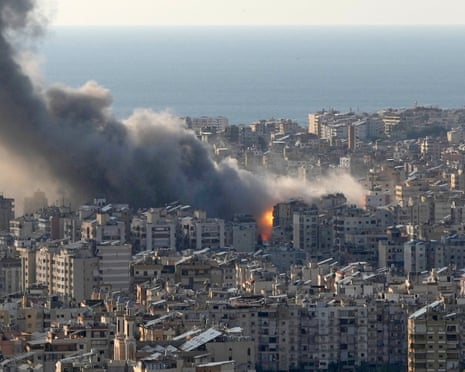
Behm’s analysis extends to the potential ramifications of instability in Iran, warning of sectarian tensions across the Middle East, rising energy costs, and increased refugee flows that could strain European and global systems. He suggests that societal breakdown in Iran might inadvertently benefit certain regional actors by weakening unified opposition, though he does not specify beneficiaries. The commentary also critiques the absence of detailed post-operation planning, positing that unaddressed “what next” scenarios could exacerbate unpredictability.
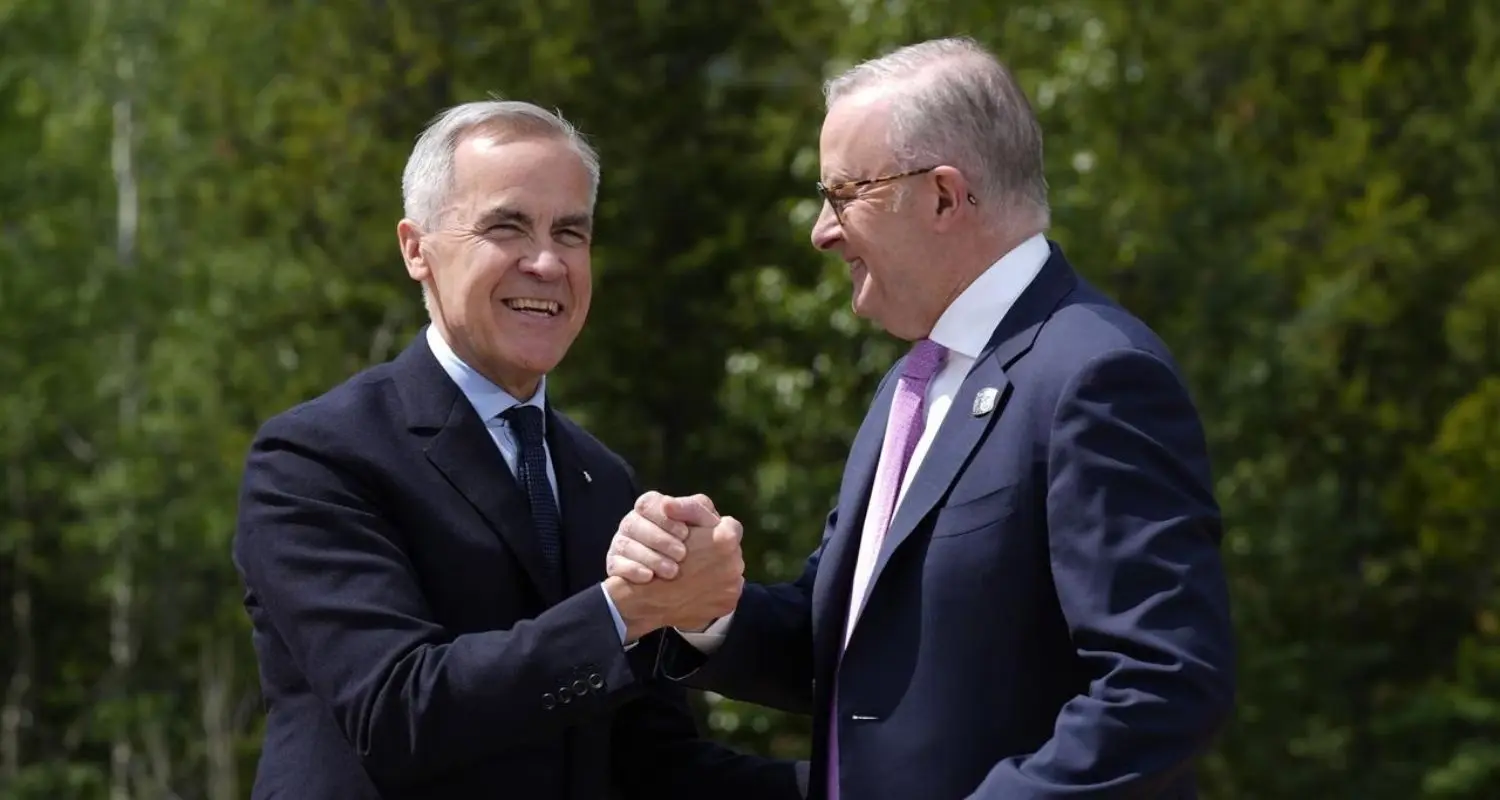
The timing of the piece coincides with Carney’s visit to Australia, where discussions are expected to cover economic ties, investment opportunities, and shared strategic priorities. Both leaders have previously highlighted the value of middle-power coordination in navigating global shifts, with Carney’s recent Davos remarks emphasising the need for new coalitions amid perceived ruptures in the established order. Behm references this context to question the alignment between such advocacy and current endorsements, suggesting a need for greater independent agency.
Responses to the opinion have varied within Australian political and analytical circles. Coalition figures, including frontbencher Andrew Hastie, have downplayed concerns over the rules-based order, framing international affairs as governed primarily by power dynamics. Hastie has argued that a strong US presence in establishing deterrence is preferable to alternatives, dismissing idealistic views as detached from reality. Government sources, meanwhile, maintain that Australia’s positions are principled and contribute to long-term peace efforts.
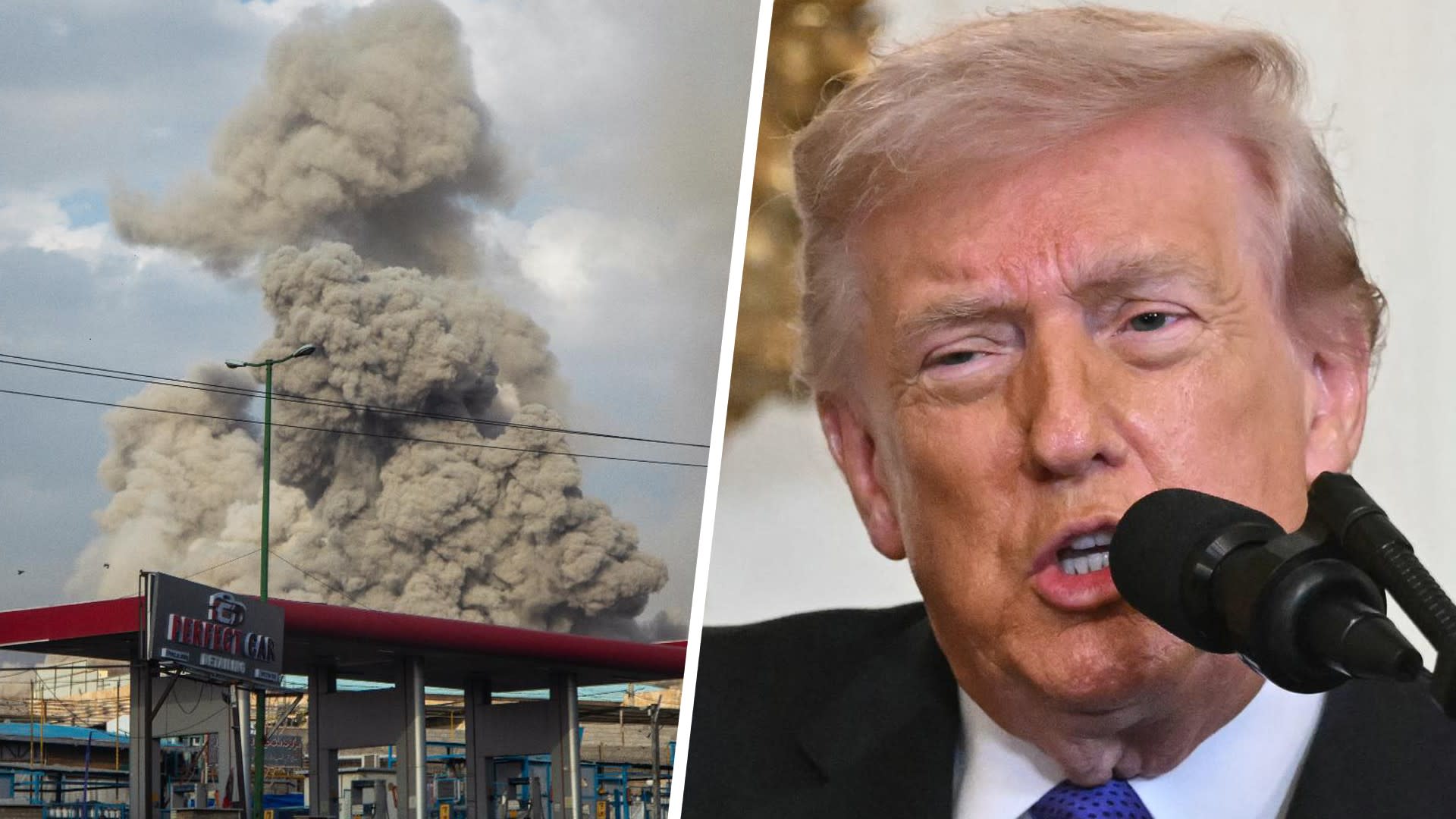
Broader international commentary has echoed some of Behm’s legal concerns. Experts, including former diplomats, have debated the strikes’ compliance with international law, with some arguing they constitute anticipatory self-defence while others see them as violations of sovereignty. The UN has not issued a formal condemnation, though calls for de-escalation and dialogue persist from various member states.
Australia’s military presence in the region, including at bases in the United Arab Emirates, has been confirmed safe following recent drone incidents, underscoring the practical stakes for Canberra. No casualties among Australian personnel have been reported, and operations continue in support of coalition activities focused on counter-terrorism and maritime security.
The episode illustrates ongoing challenges in balancing alliance commitments with independent foreign-policy articulation. As a middle power, Australia seeks to influence global norms while leveraging partnerships for security and economic benefits. Behm advocates for a more assertive diplomatic posture, urging reinforcement of rules that all states, including major powers, respect.

Looking ahead, the government is likely to continue emphasising multilateral forums for addressing proliferation risks and regional tensions. Discussions during Carney’s visit may provide opportunities to align on these issues, potentially yielding joint statements on stability and non-proliferation.
The opinion piece serves as a reminder of the delicate interplay between moral authority, strategic interests, and legal frameworks in contemporary international relations. Further developments in the Middle East will test how allied nations navigate these dimensions.