Trump’s Comments on Reiner Killings Draw Rare Republican Rebuke
WASHINGTON — President Trump’s decision to attribute the stabbing deaths of Hollywood director Rob Reiner and his wife, Michele Singer Reiner, to the filmmaker’s vocal criticism of him prompted an unusual wave of criticism from fellow Republicans on Monday, highlighting the limits of partisan loyalty even among the president’s staunchest allies.
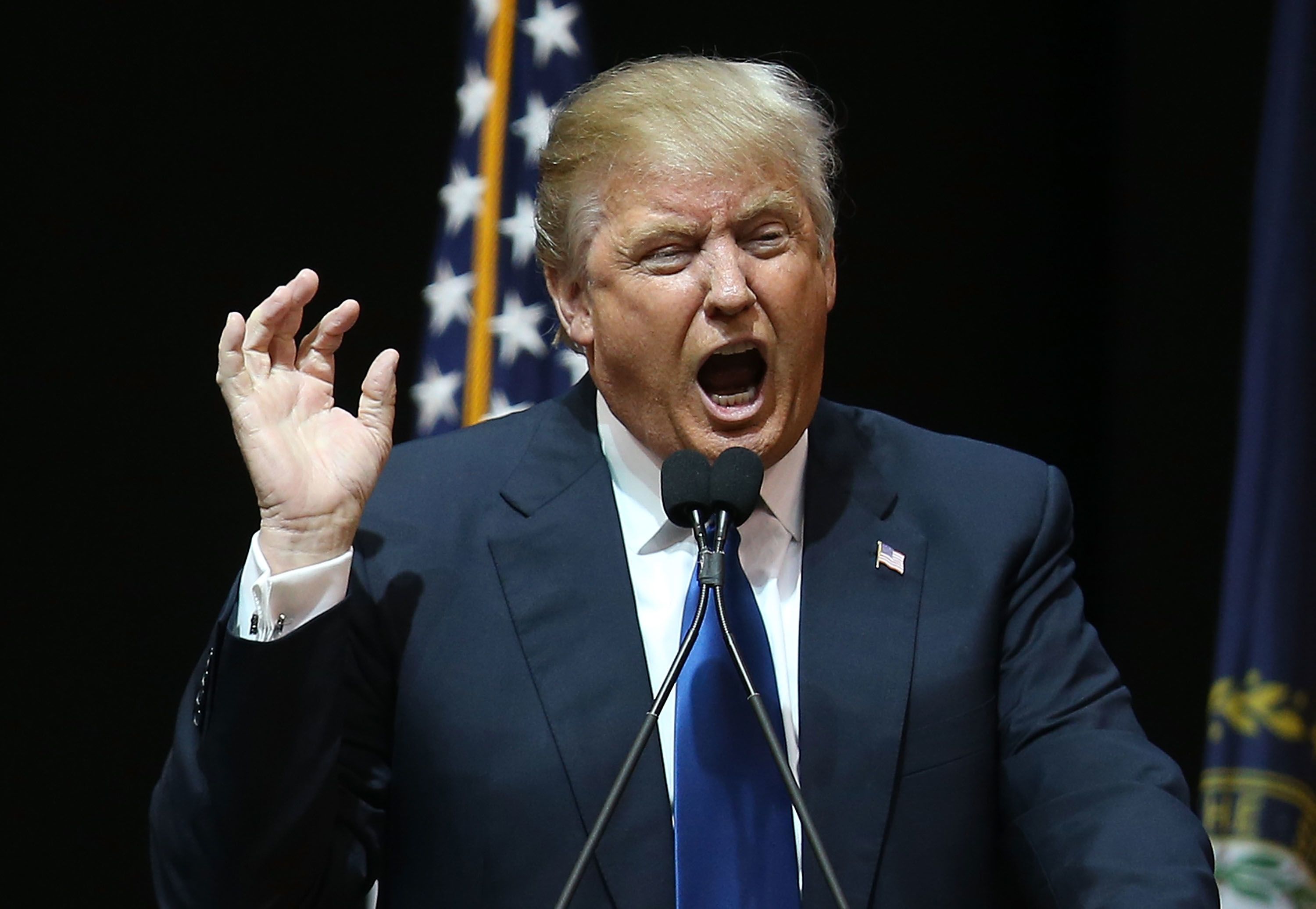
In a post on Truth Social early Monday, Mr. Trump described Mr. Reiner, a longtime Democratic activist and frequent critic, as suffering from an “incurable affliction with a mind crippling disease known as TRUMP DERANGEMENT SYNDROME.” He suggested, without evidence, that the couple’s deaths were “reportedly due to the anger he caused others” through his political views. Later, when pressed by reporters in the Oval Office, the president doubled down, calling Mr. Reiner “a deranged person” and saying he was “very bad for our country.”
The comments stood in stark contrast to the measured statements of condolence issued by many political figures across the aisle, including former Presidents Bill Clinton and Barack Obama, who described the Reiners as dear friends and expressed profound sorrow. Democratic leaders, such as Gov. Gavin Newsom of California, condemned Mr. Trump’s remarks as those of a “sick man.”
What made the episode noteworthy, however, was the swift pushback from within Mr. Trump’s own party. Representative Thomas Massie, Republican of Kentucky, called the president’s post “inappropriate and disrespectful discourse about a man who was just brutally murdered.” Mr. Massie challenged his colleagues to defend it, noting the silence from others in the G.O.P. leadership.
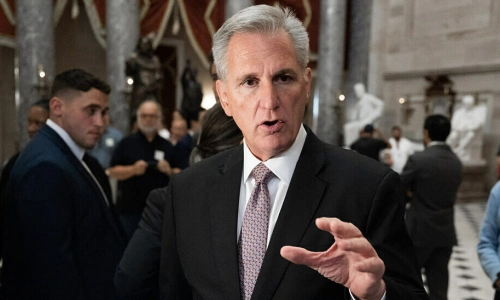
Representative Marjorie Taylor Greene of Georgia, who has had a complicated relationship with the president in recent months, emphasized that the killings were “a family tragedy, not about politics or political enemies.” She alluded to reports of the couple’s son Nick Reiner’s struggles with addiction, urging empathy for the surviving family members.
Other Republicans, including Representatives Mike Lawler of New York and Stephanie Bice of Oklahoma — both from competitive districts — echoed calls to focus on prayer and mourning rather than partisan grievances. Even some conservative commentators expressed discomfort, with one noting that the right had previously demanded civility in response to the assassination of activist Charlie Kirk earlier this year.
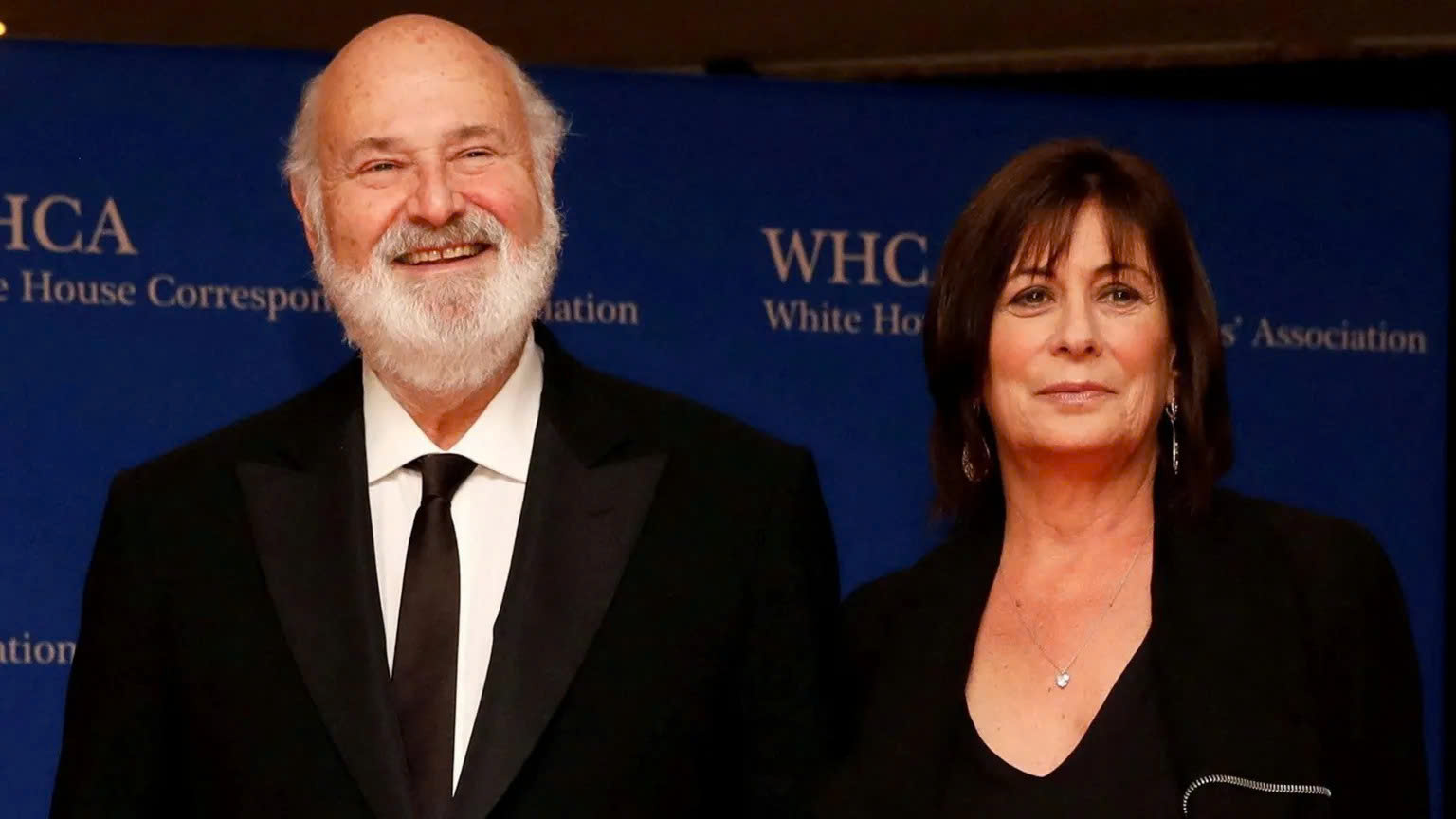
The Los Angeles Police Department has described the deaths as a homicide, with the couple found stabbed in their Brentwood home on Dec. 14. Their son, Nick Reiner, 32, has been charged with two counts of first-degree murder. Prosecutors have cited multiple sharp force injuries as the cause of death, and the case has drawn intense media scrutiny amid speculation about family dynamics and Mr. Reiner’s history of supporting his son through personal challenges.
Mr. Reiner, 78, was a towering figure in American cinema, best known for directing classics like “The Princess Bride,” “When Harry Met Sally” and “A Few Good Men.” He rose to fame as an actor on “All in the Family” and remained politically active, advocating for liberal causes and openly opposing Mr. Trump’s policies.
The president’s willingness to inject personal animus into a moment of national grief underscores a persistent feature of his political style: an inability to separate tragedy from grievance. Yet the Republican responses suggest a subtle shift. With Mr. Trump’s second term underway and midterm elections looming, some in the party appear increasingly willing to draw lines on matters of basic decorum, particularly when they risk alienating moderate voters.
Political analysts noted that while Mr. Trump retains strong support among the Republican base, episodes like this expose vulnerabilities. Polling in recent months has shown softening enthusiasm among some of his 2024 voters, and public displays of intraparty friction could exacerbate that trend.
As the investigation into the Reiner killings continues — with Nick Reiner facing possible life imprisonment or the death penalty — the episode serves as a reminder of the polarized state of American discourse. In a nation still grappling with political violence, from the Kirk assassination to other high-profile incidents, leaders’ words carry outsized weight. Mr. Trump’s choice to wield them as a weapon, and the reluctance of many allies to fully endorse it, may signal that even in a deeply divided era, certain boundaries remain.