Trump Brutally Roasted as Venezuela Brag Backfires, Sparks Political and Financial Firestorm
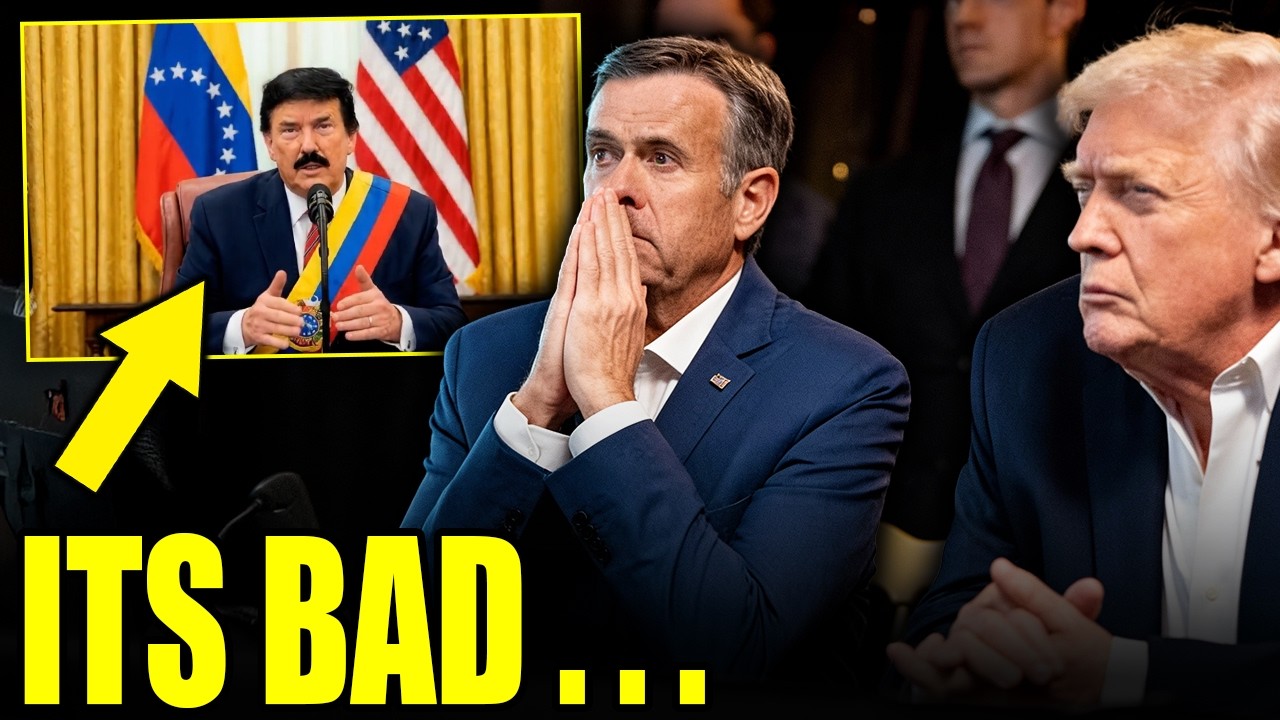
Donald Trump is facing fierce backlash after his latest boasts about Venezuela dramatically backfired, turning what he framed as a triumphant foreign policy moment into a political nightmare. Just days into 2026, critics say Trump’s rhetoric and actions have ignited outrage at home and abroad, with accusations that his Venezuela strategy was reckless, illegal, and driven by profit rather than peace.
The controversy exploded after reports claimed the United States launched a large-scale strike against Venezuela and that President Nicolás Maduro had been captured and removed from the country. Trump allies rushed to frame the move as a decisive victory, but skepticism spread rapidly as questions emerged about legality, civilian casualties, and the true motives behind the operation.
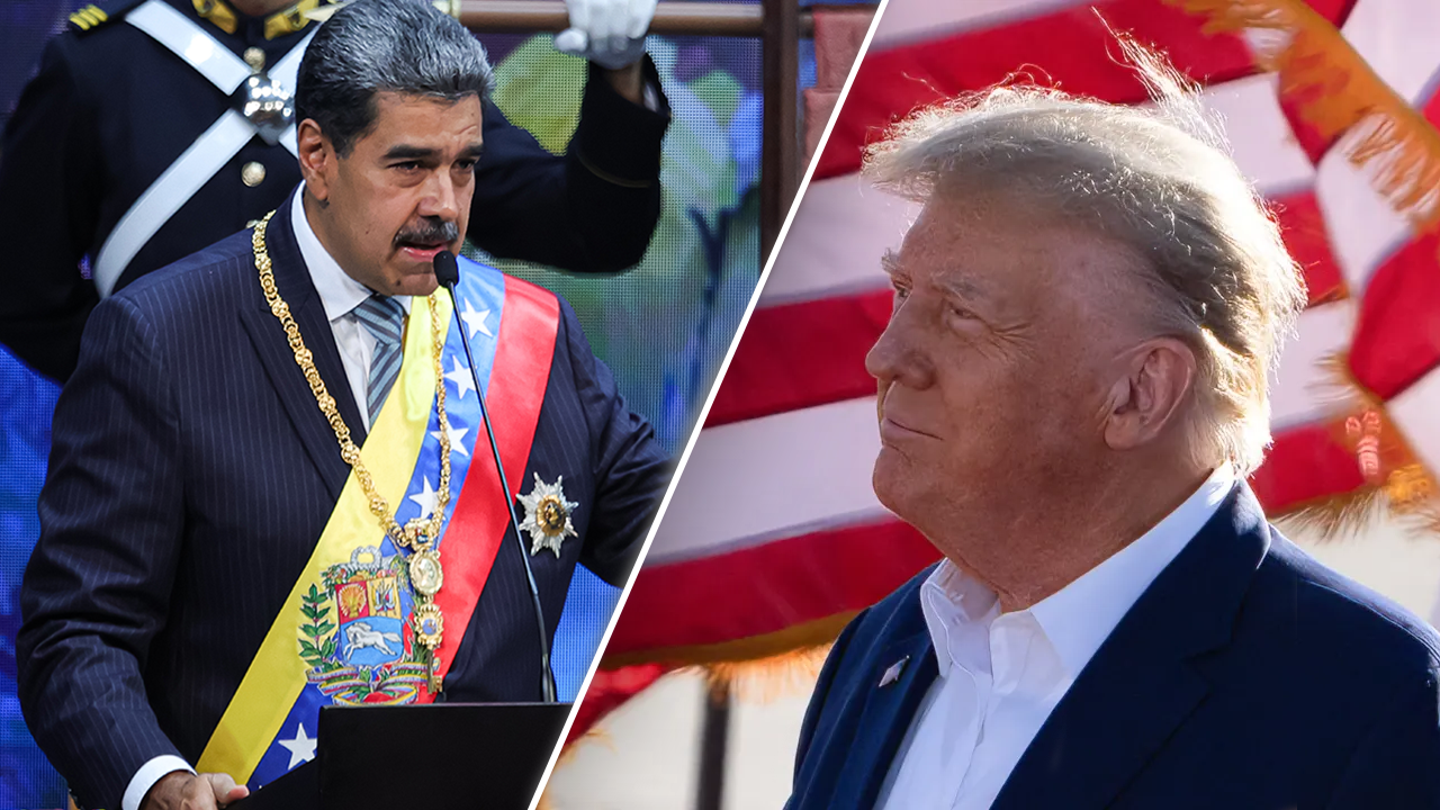
Almost immediately, Trump became the target of intense mockery online. Viral images and memes portrayed him scrambling on social media for validation, undercutting any “mission accomplished” narrative. Polling data further damaged the administration’s claims, showing that public opposition to the action significantly outweighed support, with even many Republicans expressing uncertainty or outright disapproval.
Critics argue the move was never about democracy or security. Instead, they point to Venezuela’s massive oil reserves—the largest in the world—as the real incentive. Progressive commentators revived the phrase “blood for oil,” accusing Trump of risking lives to benefit U.S. oil giants and wealthy donors, rather than advancing American interests or regional stability.

Veterans and foreign policy experts also sounded the alarm, warning that military involvement in Venezuela’s jungles and urban centers could spiral into another endless conflict. They stressed that regime change in South America has historically led to long-term instability, humanitarian crises, and blowback that ultimately harms both local populations and U.S. credibility.Adding fuel to the fire are allegations of corruption and profiteering. Critics claim Trump allies exploited prediction markets and insider information to reap massive financial gains in the immediate aftermath of the strikes. These accusations have intensified scrutiny of Trump’s personal wealth, which reportedly surged at a rate unmatched by any modern U.S. president while in office.
Comparisons between Trump’s wealth growth and that of previous presidents have gone viral. Visual breakdowns circulating online show that while generations of presidents accumulated modest gains over a century, Trump allegedly added billions to his net worth in a single year, raising fresh concerns about conflicts of interest and abuse of public office.Trump’s decision-making has also drawn criticism for sidelining political allies. Reports suggest he refused to support key Venezuelan opposition figures over personal grievances, including disputes tied to international recognition and awards. Analysts say this underscores how personal ego may be shaping U.S. foreign policy.
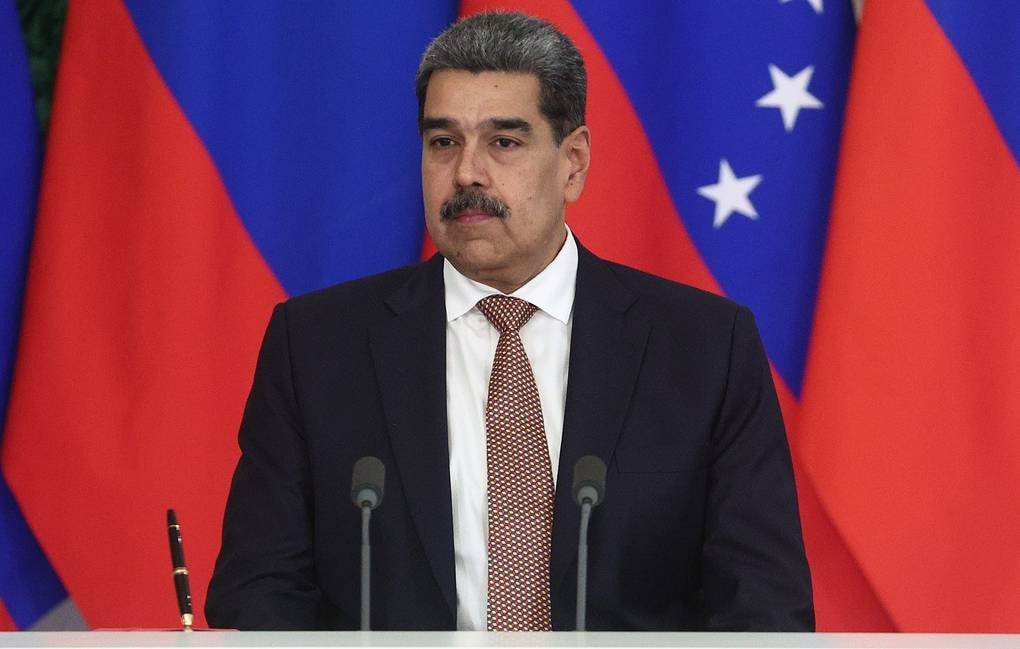
Meanwhile, Trump’s core messaging is failing to resonate with the broader public. Claims of “no new wars” and “America First” ring hollow to many voters who see rising debt, higher living costs, and no tangible benefits from foreign intervention. Polls show that skepticism spans party lines, weakening Trump’s political standing.
As the fallout grows, the Venezuela episode is increasingly viewed as a turning point. Critics argue it exposes deeper issues of corruption, unchecked executive power, and economic inequality, warning that the consequences extend far beyond one country or one president. What was meant to be a show of strength now stands as a cautionary tale of how bravado, profit, and power can collide—with destabilizing results for the United States and the world.