MIDNIGHT SHOCKWAVE AT THE PENTAGON: THE ALLEGATIONS AGAINST PETE HEGSETH THAT NOW THREATEN TO ENGULF THE TRUMP ADMINISTRATION.
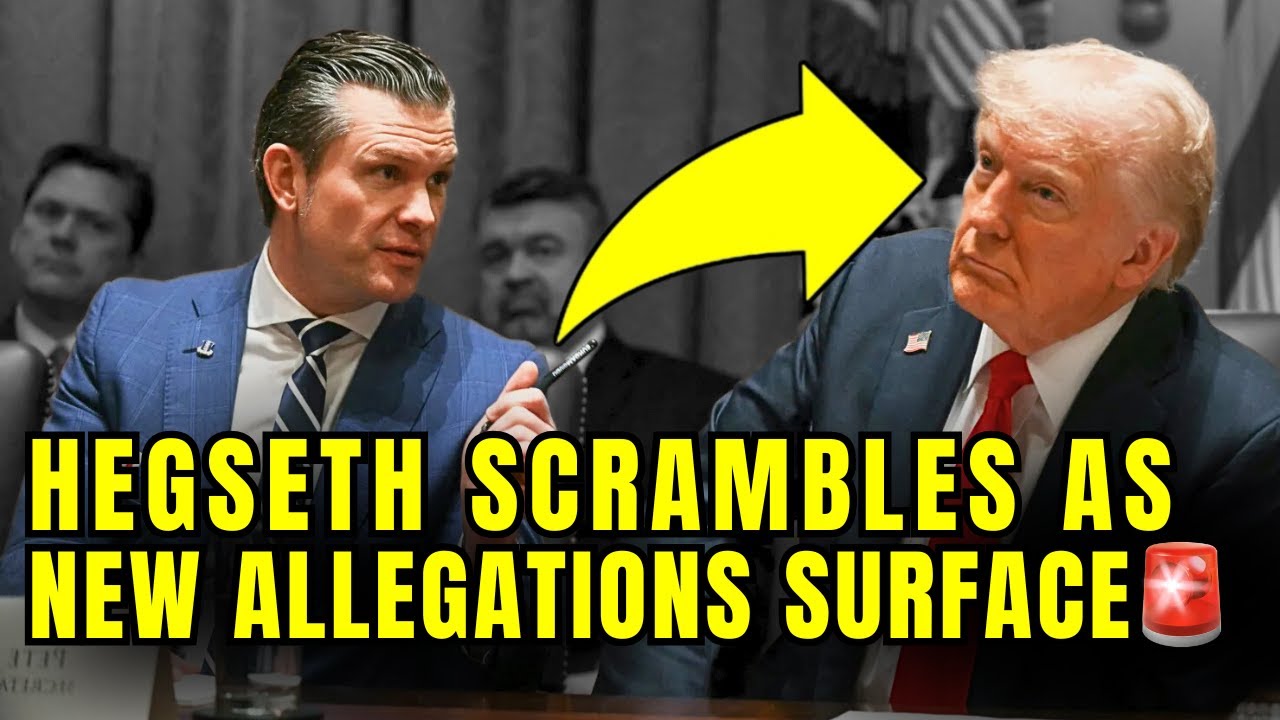
In Washington, scandal rarely arrives quietly. It tends to come crashing in, unannounced, with the force of a political earthquake. Late this week, that tremor came in the form of a detailed report alleging that Defense Secretary Pete Hegseth — a longtime Trump loyalist and former Fox News personality — authorized actions that may constitute a war crime under U.S. and international law. The revelations have thrust the administration into one of its most volatile national security controversies to date, igniting a firestorm across military, legal, and political circles.
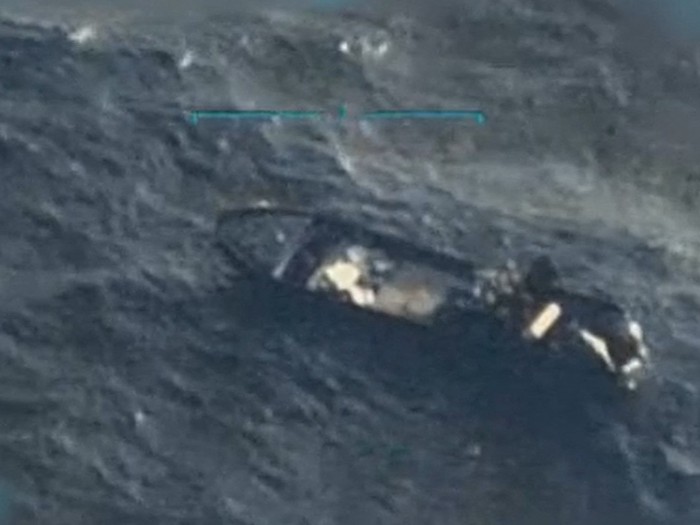
The allegations center on a covert strike carried out by U.S. special operations forces targeting a small vessel suspected of transporting narcotics off the Venezuelan coast. According to reporting from The Washington Post, an initial missile strike disabled the vessel but left at least two survivors clinging to the burning wreckage. It was what allegedly happened next that has destabilized Washington: a second strike, executed after the survivors were no longer capable of posing a threat. The order, officials claim, came directly from Hegseth — with explicit instruction to “leave no survivors.”
Within hours of publication, the story ricocheted through the capital. Lawmakers demanded explanations. Military veterans expressed alarm. And legal scholars, including some from the conservative establishment typically aligned with the administration, issued unusually sharp warnings about the implications. Andrew C. McCarthy, a prominent conservative legal analyst known for his fierce critiques of Democratic administrations, wrote that if the allegations were true, the strike constituted “at best a war crime,” breaking sharply with the White House line that the action was “necessary and justified.”
The administration’s response, meanwhile, has been marked by a familiar mix of defiance and disarray. President Trump, speaking briefly to reporters, dismissed the allegations as “fake news hysteria,” calling Hegseth “one of the strongest defenders of America’s interests we’ve ever had.” Yet inside the West Wing, aides reportedly scrambled to coordinate messaging after Hegseth himself appeared to defend the mission simply by stating, “It was intended to be lethal.” Legal experts quickly noted that such a rationale is not a defense under U.S. or international statutes — an observation that only widened the political rift forming beneath the administration.
On Capitol Hill, Senator Mark Kelly, a Democrat and former Navy combat pilot who has been openly confronted by Trump in recent weeks, offered one of the most forceful rebuttals. Citing his experience in two major military engagements, Kelly underscored the distinction between lawful combat operations and actions that deliberately target individuals who are no longer combatants. “It is not fair to our service members,” he warned, “to place them in a position where they may unknowingly violate the law based on politically motivated or poorly conceived directives.”

But the gravity of the situation does not lie solely in the alleged actions themselves. Current and former military officials say the episode highlights deeper concerns about the administration’s increasingly politicized approach to national security — concerns that have simmered beneath the surface for months. Several Pentagon insiders, speaking on the condition of anonymity, described mounting tension between career defense officials and a cohort of Trump-aligned appointees whose decisions, they say, often prioritize political loyalty over operational norms.
“This is what happens when the highest levels of command are shaped by television personalities instead of professionals trained in the ethics of warfare,” one senior defense official commented. “There’s a gap between Hollywood-style toughness and actual responsibility in combat operations. And the consequences of that gap are now on full display.”
For military law specialists, the legal questions are equally stark. Under the Geneva Conventions and the U.S. War Crimes Act, intentionally killing individuals who are shipwrecked, injured, or otherwise incapable of fighting is expressly prohibited. Even in cases involving suspected criminal activity, lethal force must adhere to strict conditions related to threat level, combatant status, and proportionality. The Post’s report, if accurate, suggests potential violations on multiple levels.
As the White House works to contain the fallout, the political ramifications continue to grow. Advocacy groups have called for a formal congressional inquiry. International observers are watching closely. And within conservative circles, the division triggered by McCarthy’s statement marks a rare moment when ideological allegiance gives way to legal principle.
Whether the administration can weather this storm remains uncertain. But the stakes are unmistakably high. At the intersection of politics, military ethics, and global law, the Hegseth allegations pose a test not only for the individuals involved but for the credibility of a government already strained by internal conflict and public distrust.
And as Washington braces for the next development, one thing is clear: this is a scandal that will not fade quietly into the night.