Trump Faces Growing GOP Turmoil as Another MAGA-Aligned Lawmaker Abruptly Announces Exit
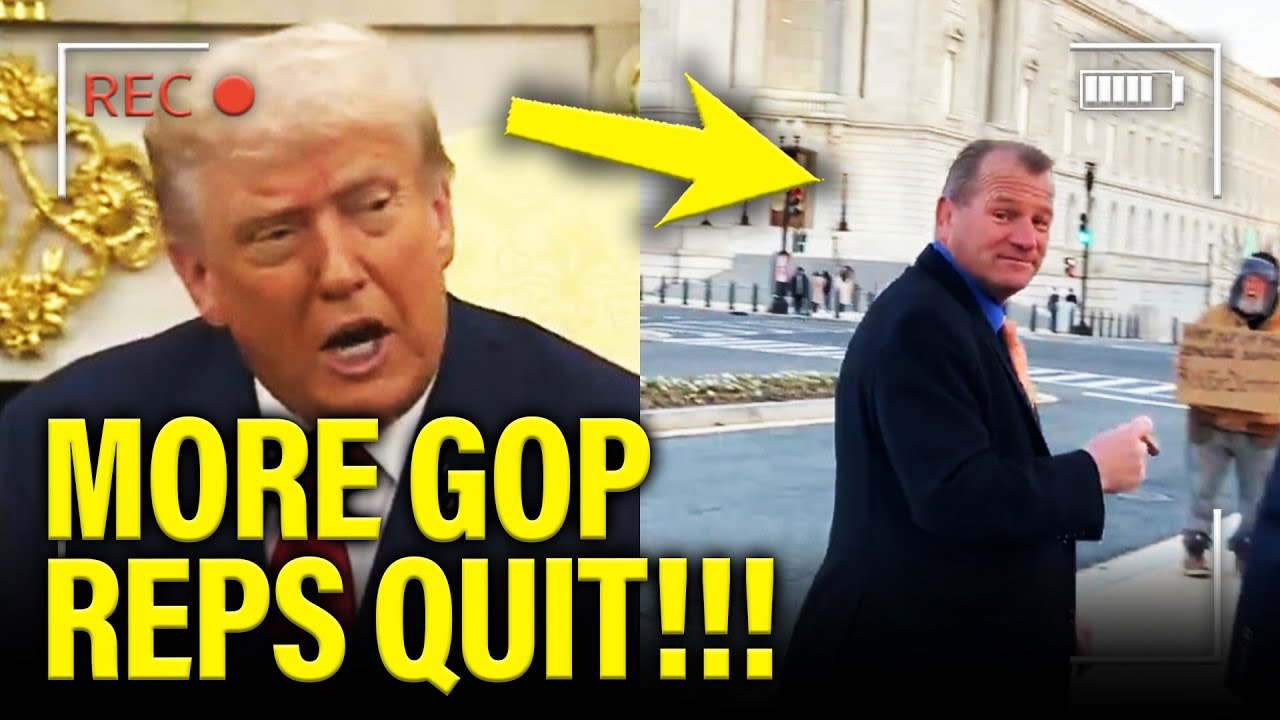
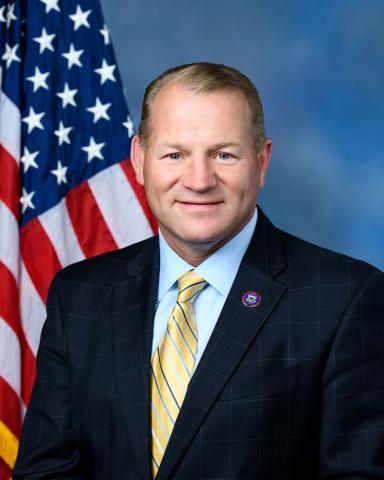
The latest resignation inside the Republican Party did not arrive with the usual choreography of Washington departures. Instead, it surfaced quietly over the weekend, when Representative Troy Nehls, a staunch MAGA ally and one of Donald Trump’s most vocal defenders in Congress, abruptly announced he would be leaving the House at the end of his term. Officially, Nehls framed the decision as a return to “family and personal priorities.” But inside Republican circles, his exit has landed like another tremor in a party that has been increasingly destabilized by internal revolt, exhausted lawmakers, and an unmistakable fracture between Trump loyalists and those seeking distance from the chaos surrounding the former president.
Nehls becomes the sixth MAGA-aligned Republican to signal departure in recent months—a trend that GOP insiders privately describe as “a slow bleed” and a sign of a caucus losing its grip on discipline, messaging, and morale. Though many of these members technically remain in office through the end of their terms, the cumulative effect is unmistakable: a shrinking pool of lawmakers willing to publicly tether their political futures to Trump at a moment of deep uncertainty.
Behind closed doors, the concern is sharper. Several Republican aides, speaking on the condition of anonymity, say tensions within the House Republican Conference have reached their “lowest point in years,” with some members convinced the party is on track to lose its majority. One senior staffer described the atmosphere as “a pressure cooker,” worsened by what they view as erratic communication from House leadership and a White House consumed by constant political firefighting.
The unease extends beyond Washington. In Indiana, a pair of Republican state senators recently clashed with the Trump-aligned state party leadership over a redistricting push they believed violated federal law. One of the lawmakers—whose daughter has Down syndrome—publicly condemned the former president’s past remarks mocking people with disabilities, deepening a rift that insiders say has been simmering for months. Both state senators later faced swatting incidents, which they described as retaliation from extremist factions furious over their refusal to align with Trump. No evidence has surfaced linking the former president to the events, but the timing has plunged the state GOP into turmoil.
The controversies add to mounting challenges facing the Republican Party as it attempts to govern under Trump’s current presidency. Some business leaders have also begun to distance themselves. Asked by reporters why JPMorgan Chase declined to fund renovations for Trump’s new White House ballroom project, CEO Jamie Dimon responded cautiously, noting corporations must be “careful” about entangling themselves in political ventures that could trigger scrutiny by the Department of Justice in any future administration. The remark—subtle but pointed—was interpreted by political observers as a sign that major institutions see Trump’s political horizon as increasingly unpredictable.
Meanwhile, Democratic strategists say the recent wave of GOP exits signals not only dissatisfaction but a deep fear among Republicans that upcoming special elections could tilt the balance of power. One such race in Tennessee has unexpectedly become competitive, with Democrat Afton Bane polling within range of MAGA-backed Matt Van Eps. Party officials on both sides now see the contest as a test of whether voter fatigue with political extremism will shape the next electoral cycle.
For Trump, the optics are challenging. Throughout his political career, the former president has relied on the image of total dominance within his party—an unbroken line of loyalty. But the latest departures, paired with visible fissures among state-level Republicans, undermine that narrative. Though Trump publicly downplayed Nehls’s announcement, privately, advisers say the president was “irritated” and “surprised,” according to two people familiar with the situation. One of them described a late-night call in which Trump vented frustrations about lawmakers who “stop fighting right when I need them most.”
If the GOP is inching toward an internal reckoning, the next several weeks may prove decisive. More retirements are expected, according to multiple Republican strategists who say several House members are “weighing their options” amid declining approval ratings and donor fatigue. At least three have told colleagues they are “not willing to spend the next year in chaos.”
The resignations may not spell immediate crisis for Trump, but they reveal a party increasingly split between those willing to weather the turbulence of a second Trump term and those quietly planning an exit before the storm grows stronger.
Whether this moment marks the beginning of a broader unraveling—or simply another chapter in the Republican Party’s long realignment—remains to be seen. But the message coming from within the GOP is clear: the era of guaranteed loyalty is no longer assured, and the political ground beneath Trump is shifting in ways that even his closest allies can no longer ignore.