Disturbing Truth Behind ‘Video of Trainer Jessica Radcliffe Being Savaged by Orca’
In early August 2025, a chilling video swept across social media platforms like TikTok, Facebook, and X, claiming to show a 23-year-old marine trainer named Jessica Radcliffe being fatally attacked by an orca during a live performance at the fictional Pacific Blue Marine Park. The footage, depicting a young woman dancing atop an orca before being dragged underwater in a pool of red, sparked global outrage and grief. Captions alleged Radcliffe died ten minutes after a rescue attempt, with some versions bizarrely claiming the attack was triggered by menstrual blood mixing with the water. However, a closer look revealed a disturbing truth: the entire incident was a hoax, crafted with AI-generated imagery and audio to exploit real tragedies and manipulate emotions for viral traction.
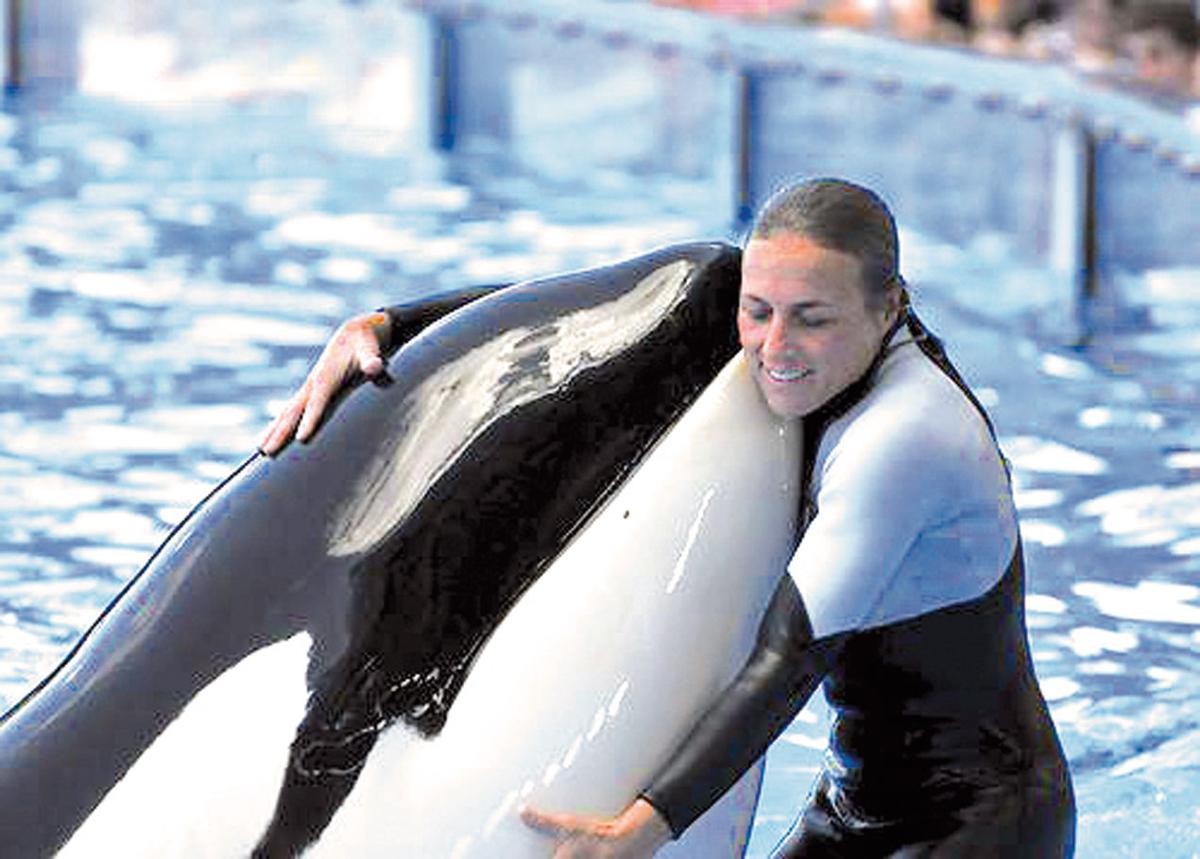
The video’s rapid spread, amassing millions of views, was fueled by its emotional intensity and realistic visuals, showing Radcliffe riding an orca’s nose, waving to a cheering crowd, before the animal lunged, pulling her beneath the surface. Social media posts demanded “justice for Jessica,” while others expressed horror at the supposed tragedy. Yet, fact-checking by outlets like The Mirror, Hindustan Times, and E! Online quickly unraveled the deception. No marine trainer named Jessica Radcliffe exists in any employment records, public databases, or credible news reports. Pacific Blue Marine Park, cited as the location, is also fictional, with no trace in marine park registries. Forensic analysis revealed telltale signs of AI manipulation: unnatural water movements, robotic voiceovers with odd pauses, and distorted crowd members repeating motions, all hallmarks of deepfake technology.
The hoax drew on real incidents to seem plausible, notably the 2010 death of SeaWorld trainer Dawn Brancheau, killed by the orca Tilikum during a performance in Orlando. Brancheau’s tragedy, widely covered by The Associated Press and featured in the 2013 documentary Blackfish, sparked debates about orca captivity. Other real cases, like the 2009 death of Alexis Martínez at Loro Parque in the Canary Islands and the 1991 drowning of Keltie Byrne at Sealand of the Pacific, both involving captive orcas, lent the hoax a veneer of authenticity. By blending these documented tragedies with fabricated details, the video tapped into public concerns about marine park ethics, making it easier to deceive viewers.
The falsehood’s spread highlights the growing challenge of AI-generated misinformation. As Forbes noted, AI videos often betray themselves through subtle flaws, like unnatural limb movements or glitching visuals, yet their emotional pull can outpace fact-checking efforts. The Radcliffe clip, first posted on YouTube in January 2025 and later amplified on TikTok, used recycled marine park footage and AI-generated voices to craft a convincing narrative. Some versions even named a fictional orca, “Nix,” or referenced another fabricated trainer, Marina Lysaro, in a similar hoax. Vocal Media reported no obituaries, marine park statements, or OSHA safety reports supporting the incident, confirming Radcliffe as a fictional character designed to exploit real-world fears.
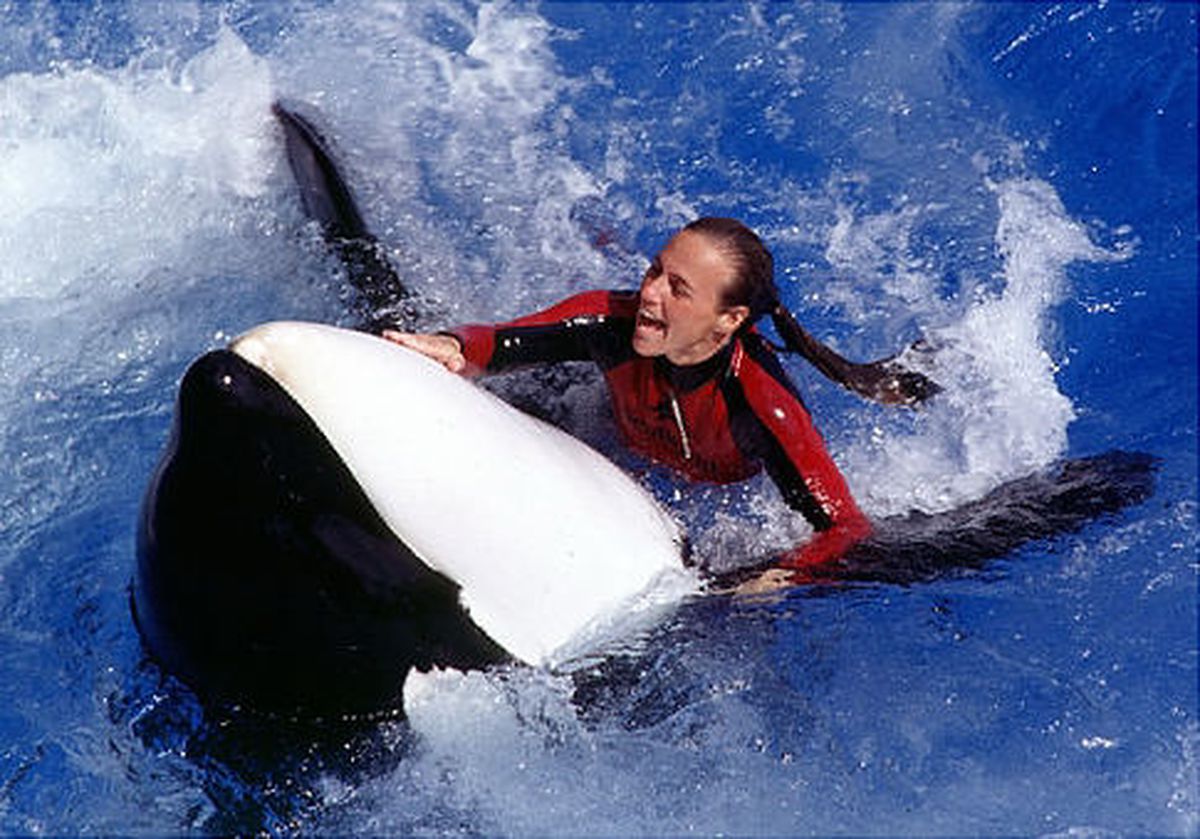
The hoax’s virality wasn’t accidental. Studies cited by The Star show that negative, sensational content spreads faster on social media, drawing viewers to clickbait for ad revenue or phishing scams. The lurid claim about menstrual blood, debunked by NOAA Fisheries as scientifically baseless, was a deliberate tactic to heighten shock value. This mirrors tactics used in other hoaxes, like false claims about Jason Statham’s death or Harper Beckham’s pregnancy, which exploit celebrity names for engagement. The Radcliffe video’s creators likely profited from its millions of views, while distracting from real issues like orca welfare and marine park safety.
Real tragedies, like Brancheau’s, underscore the ethical concerns the hoax mimicked. Tilikum, involved in three deaths, was captured from Icelandic waters and spent decades in confinement, a factor Blackfish argued contributed to his aggression. Kiska, known as the “world’s loneliest orca,” died in 2023 at Marineland, Canada, after 40 years in captivity, her distress evident in videos of her banging her head against tank walls. These cases, detailed by Whale & Dolphin Conservation USA, highlight the stress of captivity on orcas, intelligent social predators ill-suited to confined spaces. The Radcliffe hoax trivialized these real losses, shifting focus from systemic issues to fabricated drama.
The incident also sparked renewed interest in genuine orca encounters, like a viral video of a kayaker surrounded by wild orcas, reported by Times of India. Unlike the fabricated Radcliffe clip, this real footage showed orcas’ non-aggressive nature in the wild, where no human deaths have been recorded. The contrast underscores the hoax’s harm: by sensationalizing orca behavior, it fuels unfair stigma, as The Economic Times noted, diverting attention from conservation efforts needed to protect their natural habitats.
Like the fictional dolphin Koa’s farewell in a New Zealand bay, the Radcliffe hoax stirred deep emotions, only to leave a community grappling with deception. Fans and advocates on X called for better media literacy, with hashtags like #StopDeepfakes trending. Experts urge verifying claims through trusted sources like Snopes or NDTV before sharing. The Radcliffe saga, while fake, serves as a wake-up call: in an AI-driven age, distinguishing fact from fiction is crucial to honor real tragedies and protect the vulnerable, whether human or orca.