Jack Smith, in Explosive Testimony, Says He Had ‘Proof Beyond a Reasonable Doubt’ Against Trump
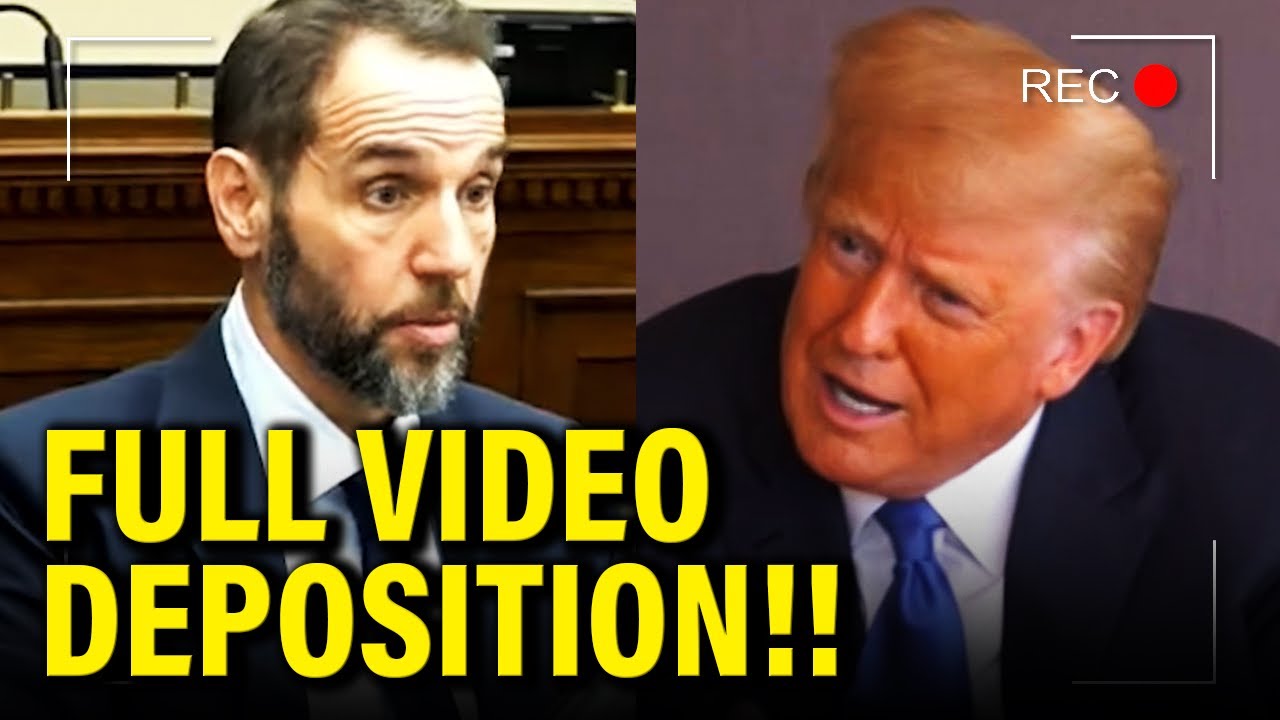
WASHINGTON — In a marathon closed-door deposition whose transcript was released on New Year’s Eve, former special counsel Jack Smith forcefully defended his two federal investigations into Donald Trump, declaring that his team had gathered “proof beyond a reasonable doubt” that the president committed crimes both in attempting to overturn the 2020 election and in illegally retaining classified documents.
Smith, whose prosecutions were terminated after Trump’s reelection, told the House Judiciary Committee that the charges “rested entirely on President Trump and his actions.” He described Trump as “by far the most culpable and responsible person” in a conspiracy to block the lawful transfer of power, and accused him of willfully keeping highly sensitive national defense material “in a ballroom and a bathroom” at his Mar-a-Lago resort.
The eight-hour session, led by committee Republicans but released by Chairman Jim Jordan (R-Ohio) on a holiday evening, underscored the enduring partisan divide over Trump’s legal battles. Democrats praised Smith for upholding the rule of law; Republicans pressed him on what they called investigative overreach, particularly the collection of phone metadata from several congressional Republicans.
“Powerful Evidence” of Election Crimes
Smith portrayed the January 6 investigation as exposing “an attack on the structure of our democracy.” He said Trump spread “knowingly false claims of election fraud,” exploited party loyalty to pressure state officials and members of Congress, and ultimately directed supporters toward the Capitol while refusing to stop the ensuing violence.
“The evidence made clear that President Trump was by a large measure the most culpable,” Smith testified. He emphasized that the strongest witnesses would have been Trump’s own Republican allies who “put allegiance to the country before the party.”
Smith rejected accusations of political motivation: “I would never take orders from a political leader to hamper another person in an election. That’s not who I am.”
Classified Documents Case Remains Shrouded
Smith was far more restrained on the Mar-a-Lago case, citing a court order from Judge Aileen Cannon barring discussion of non-public information in the unreleased Volume II of his final report. He said he had not even reviewed that volume in preparation for the deposition to avoid any appearance of violating the injunction.
He confirmed, however, that his team believed it had “powerful evidence” that Trump willfully retained classified documents and repeatedly obstructed efforts to recover them.
Controversy Over Congressional Phone Records
Much of the questioning centered on Smith’s office obtaining toll records — call logs showing numbers dialed and duration, but not content — for several Republican members of Congress whose communications with Trump or his allies were relevant to January 6.
Smith defended the step as lawful and necessary: “President Trump chose those members. He and his co-conspirators directed calls to them in furtherance of the criminal scheme.” He insisted the records did not violate the Constitution’s Speech or Debate Clause.
Fears of Retribution
Smith expressed grave concern about the wave of firings of career prosecutors and FBI agents who worked on the Trump investigations under the new administration. He called the dismissals “wrong” and “contrary to the rule of law.”
“I am eyes wide open that this president will seek retribution against me if he can,” Smith said, pointing to an executive order targeting his law firm and revoking security clearances of his attorneys.
Democrats urged a public hearing so Americans could hear directly from Smith, while Republicans continued to accuse him of “weaponizing” the Justice Department.
Smith’s testimony, though delivered after the cases were closed, served as a stark reminder of the legal and political fault lines surrounding January 6 — a chapter in modern American history that remains far from resolved.