A federal courtroom in Washington has become the latest stage for an intensifying legal confrontation involving former President Donald Trump, after Judge James E. Boasberg indicated he may consider contempt proceedings in a dispute that until recently appeared largely procedural. The signal, delivered amid a tense exchange over compliance and privilege, has injected new urgency—and uncertainty—into a case already drawing close scrutiny.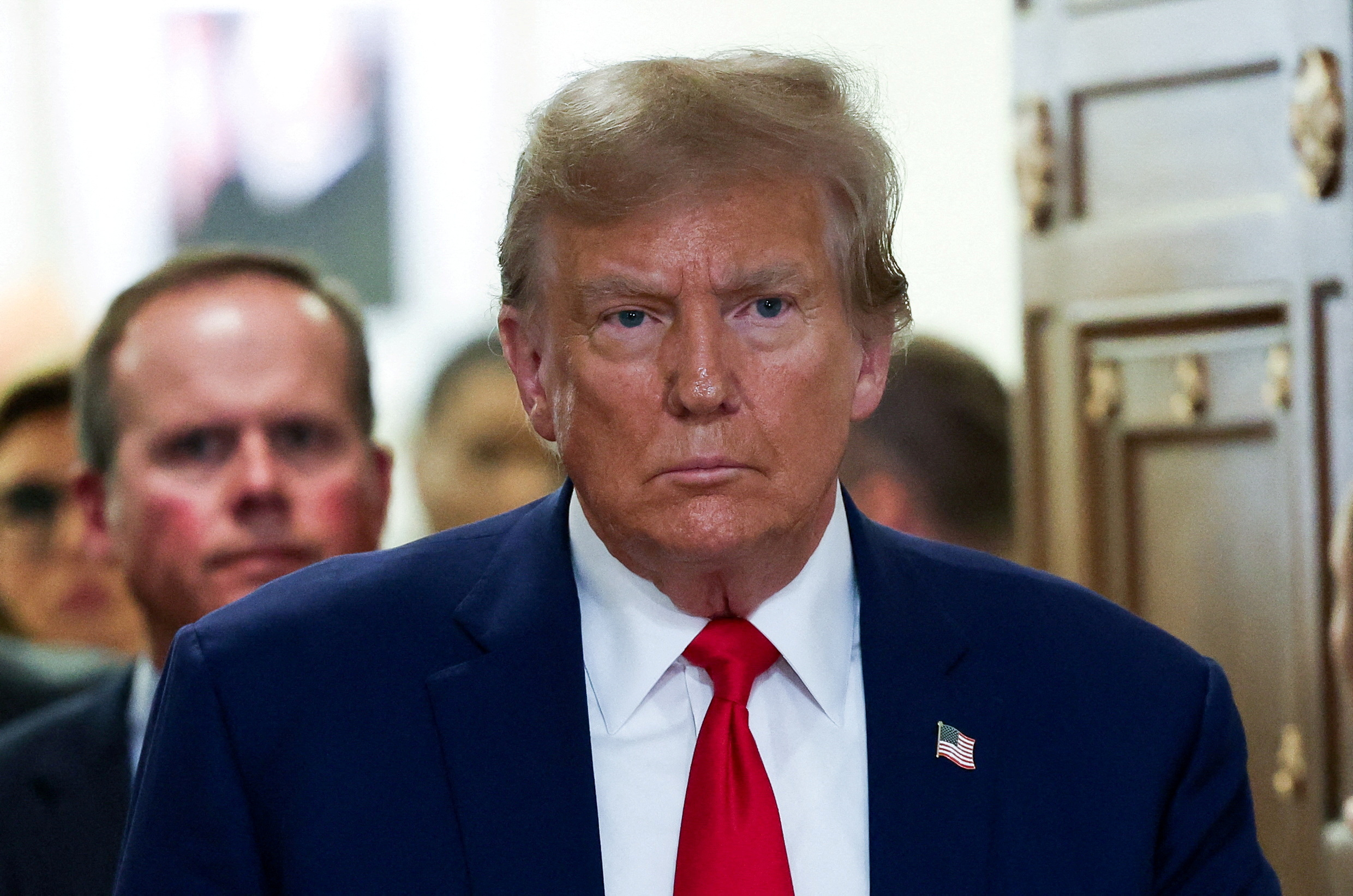
The shift came after what several observers described as a breakdown in cooperation between the parties. What had begun as a relatively narrow disagreement over filings and obligations escalated rapidly when the court expressed skepticism toward explanations offered for delays and refusals to produce information. Judge Boasberg, known for his measured approach, suggested in open court that patience was wearing thin.
Legal analysts say such language from the bench is significant. While judges often press attorneys to move matters along, explicit references to potential contempt are comparatively rare and typically reserved for moments when a court believes its authority may be at risk. “It’s a warning shot,” said a former federal prosecutor. “Not a ruling yet, but a clear signal that the court expects immediate and concrete compliance.”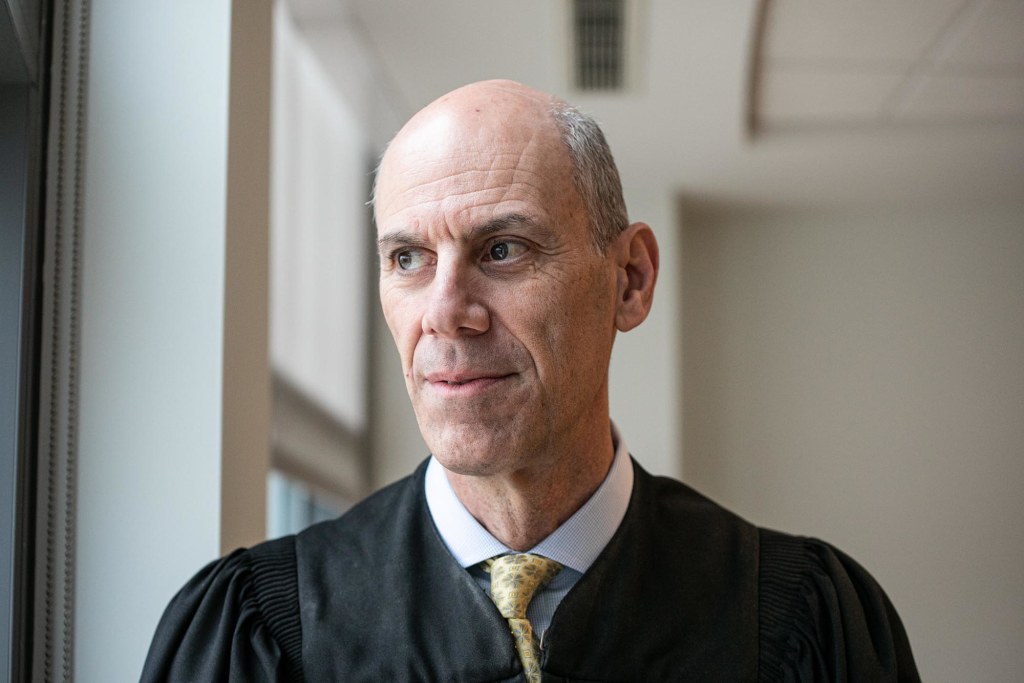
The hearing itself was marked by tension. At one point, lawyers representing interests aligned with Trump pushed back forcefully, citing claims of privilege and arguing that certain demands exceeded the court’s scope. The exchange grew heated enough that a brief recess was required, a moment that only added to the sense that the dispute had moved beyond routine legal sparring.
Outside the courtroom, reaction was swift. Clips and partial transcripts circulated widely on social media, with commentators offering sharply divergent interpretations. Trump supporters portrayed the judge’s remarks as overreach, while critics framed them as overdue accountability. The speed with which the episode went viral underscored how even incremental developments in Trump-related cases now resonate far beyond the legal system.
Behind the scenes, according to people familiar with the proceedings, the pressure is intensifying. Lawyers are said to be scrambling to meet compressed deadlines, while internal debates continue over how far claims of privilege can reasonably be extended. Such claims are common in high-profile cases, but courts typically require detailed justification—especially when delays begin to affect the broader administration of justice.
Adding to the complexity is the court’s calendar. Judge Boasberg has signaled a desire to move efficiently, narrowing the window for maneuvering. Several legal experts noted that the threat of contempt, even if not ultimately imposed, can be a powerful tool to force resolution. “Judges don’t like being ignored,” said a law professor specializing in federal procedure. “Once contempt enters the conversation, the dynamics change.”
The case also highlights a recurring theme in Trump’s legal battles: the collision between aggressive legal strategies and institutional limits. Assertions of executive or other privileges have played a central role in multiple disputes involving the former president. Courts have sometimes accepted such arguments in part, but they have also repeatedly emphasized that no claim of privilege is absolute.
For now, Judge Boasberg has not issued a formal contempt finding. Instead, he has left the matter hanging, a posture that legal observers describe as intentional. By doing so, the court preserves leverage while allowing the parties a final opportunity to comply or negotiate a narrower resolution.
What happens next could have implications beyond this single case. A contempt ruling—if it comes—would represent a notable escalation and could influence how future courts handle similar standoffs. Even absent such a ruling, the episode reinforces how Trump’s legal challenges continue to test the boundaries of judicial patience.
As filings continue and deadlines approach, attention will remain fixed on the courtroom. What began as a technical dispute has evolved into a moment that could redefine the trajectory of the case. Whether it culminates in sanctions or a last-minute compromise, one thing is clear: the legal drama surrounding Donald Trump is entering a darker, more consequential chapter, with the court signaling it is prepared to assert its authority if necessary.