Bombshell Access to Trump White House Records Raises Stakes for Special Counsel Investigation
In a development that has unsettled political circles in Washington, Special Counsel Jack Smith has secured access to an expansive collection of White House records from Donald J. Trump’s presidency — a trove that investigators have long described as indispensable for understanding the former president’s decision-making during some of the most contentious moments of his term. The acquisition marks one of the most significant breakthroughs in the inquiry and has prompted renewed questions about how these materials may reshape the legal and political landscape around Mr. Trump.
According to officials familiar with the matter, the records include internal communications, visitor logs, call notes, contemporaneous memos and previously restricted documents that provide a granular view of the operations inside the Trump White House. While some of these materials have been referenced publicly in past proceedings, the release of the full archive is believed to offer investigators a far more comprehensive understanding of what was happening behind closed doors — particularly in the period surrounding the events of January 6 and the dispute over classified documents.
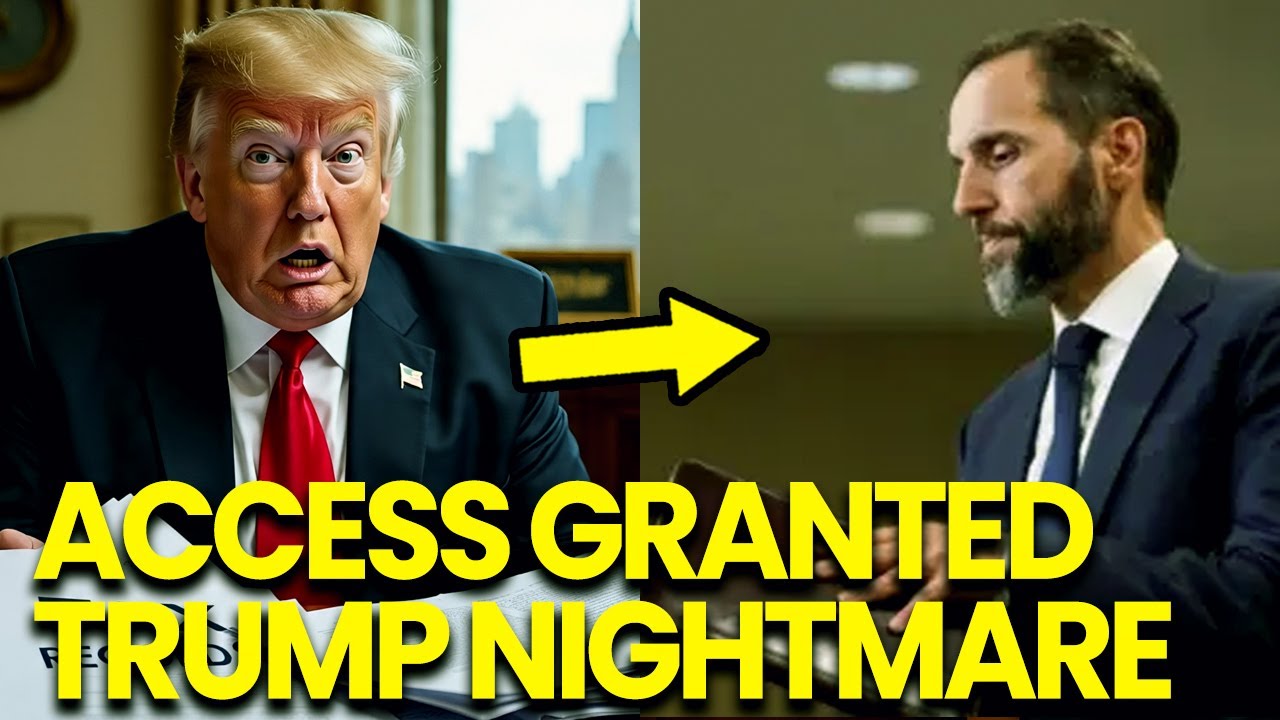
Several current and former government officials, speaking on condition of anonymity because the records remain under restricted handling, described the archive as “unusually detailed,” noting that it captures both routine governance and highly sensitive exchanges between the president and senior advisers. The specificity is expected to give the special counsel rare insight into internal deliberations that, until now, were obscured by legal barriers, executive privilege claims, and the sheer complexity of the presidential documentation system.
The move comes at a politically fraught moment. Although the criminal cases originally brought against Mr. Trump have stalled, collapsed or been paused due to a series of legal challenges and procedural disputes, the materials gathered by the special counsel’s office remain intact. That reality has caused concern among Trump allies, who fear that the newly granted access could revive lines of inquiry previously deemed dormant. Legal experts warn that while the collapse of the high-profile indictments effectively halted the prosecution, it did not “erase” the underlying evidence nor restrict the government’s ability to analyze information already in its possession.
For Mr. Trump, the news represents an unwelcome complication as he navigates both political commitments and ongoing legal uncertainty. Advisers close to the former president have privately acknowledged that some of the documents may contain interactions that could be politically damaging if disclosed, even if they are not legally incriminating. Publicly, however, the Trump camp has dismissed the development as “another theatrical maneuver by a weaponized Justice Department,” maintaining that the special counsel’s access is part of a broader effort to interfere in the political sphere.
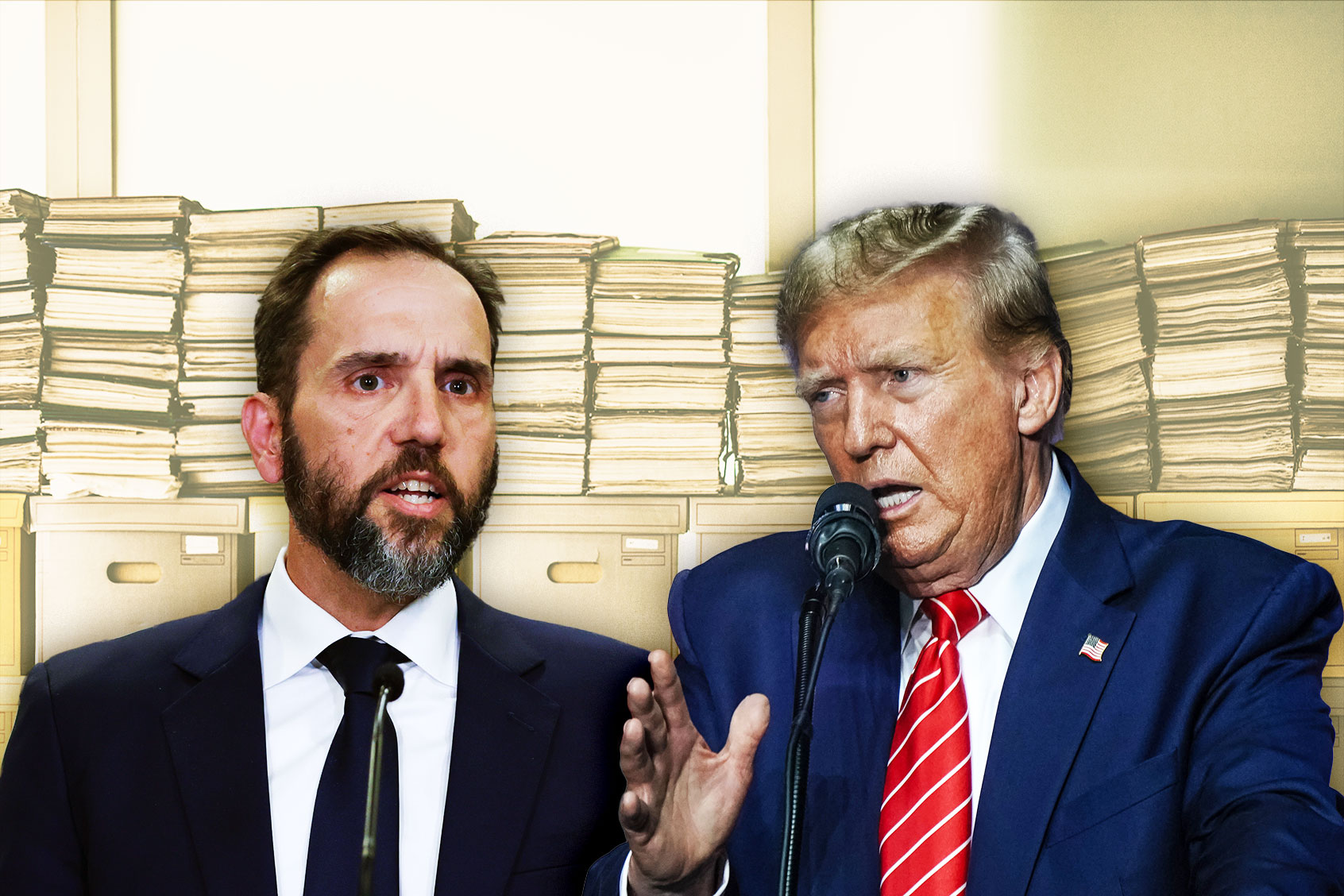
Thus far, Mr. Smith’s office has declined to comment, consistent with its longstanding policy of refraining from public discussion of investigative steps. However, individuals with knowledge of the process say investigators have already begun cross-referencing the newly obtained White House archive with previously collected testimony and digital metadata. The goal appears to be identifying discrepancies, unexplained gaps, or patterns that could illuminate unresolved questions — including the now-infamous seven-hour void in the presidential call logs on January 6.
Scholars of presidential records note that this access could be particularly consequential due to the nature of how information was handled inside the Trump White House. Unlike past administrations, where formal documentation practices were rigorously observed, Mr. Trump’s team often communicated across an array of informal channels — personal phones, messaging apps and handwritten notes that bypassed traditional logging systems. The special counsel’s new access may help reconcile some of those informal practices with the official record, exposing inconsistencies or confirming previously disputed narratives.
The broader political implications are equally significant. With Mr. Trump maintaining a dominant position within his party and preparing for future electoral contests, any perception that damaging information could emerge from the archives carries strategic risks. Democratic lawmakers have already signaled their intention to seek portions of the records for oversight purposes, while some Republican allies are urging the former president to preemptively release select documents to shape public interpretation.
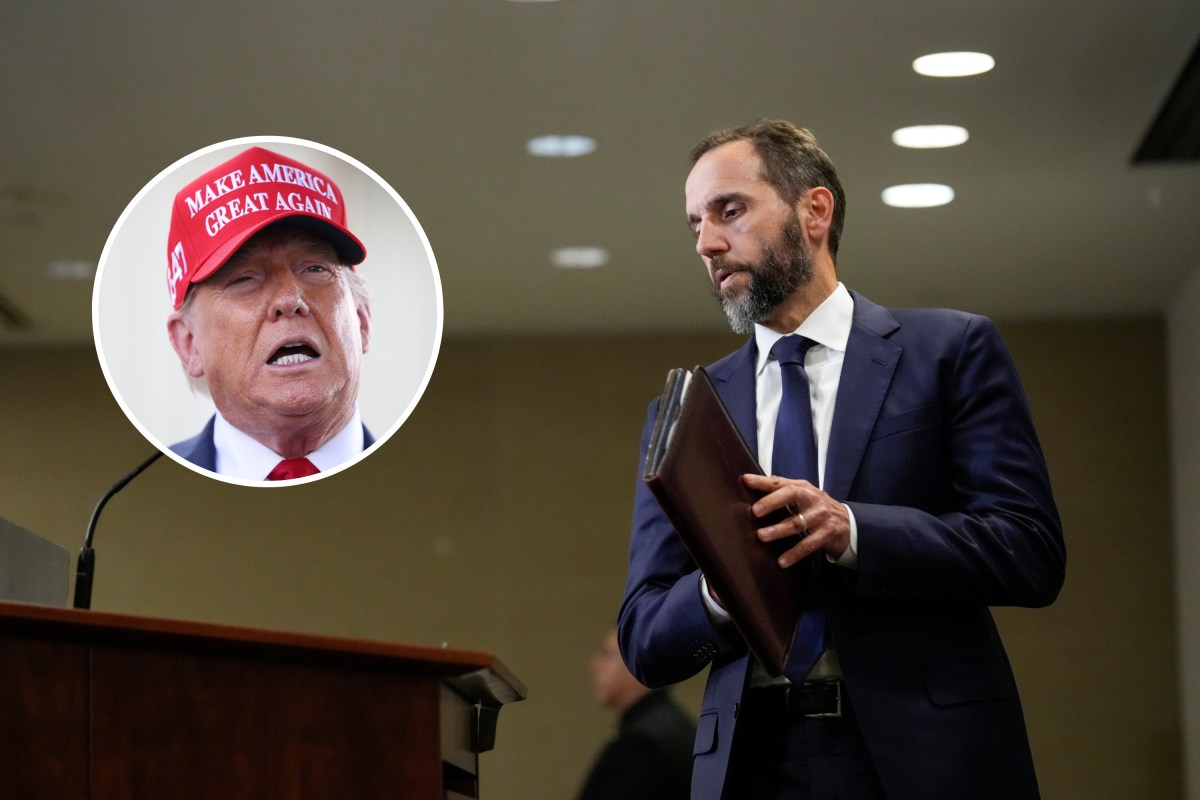
For now, much remains uncertain. The National Archives has declined to specify which documents were included in the tranche now available to investigators, citing classification rules and ongoing litigation. It is also unclear whether the materials will eventually become part of the public record, as presidential documents often do after review. What is evident, however, is that the special counsel’s expanded access marks a pivotal moment — one that underscores the enduring complexity of unraveling the internal workings of a presidency that defied conventional norms.
As Washington prepares for the possibility of new revelations, one constant remains: the archive itself. The files collected, preserved and now opened to investigators stand as a reminder that the end of a prosecution does not necessarily mean the end of scrutiny. In fact, for the Trump White House records now under the special counsel’s review, the deeper story may only just be beginning.