Trump’s Seizure of Maduro Ignites Fury as Republicans Rally Behind Bold Venezuela Strike
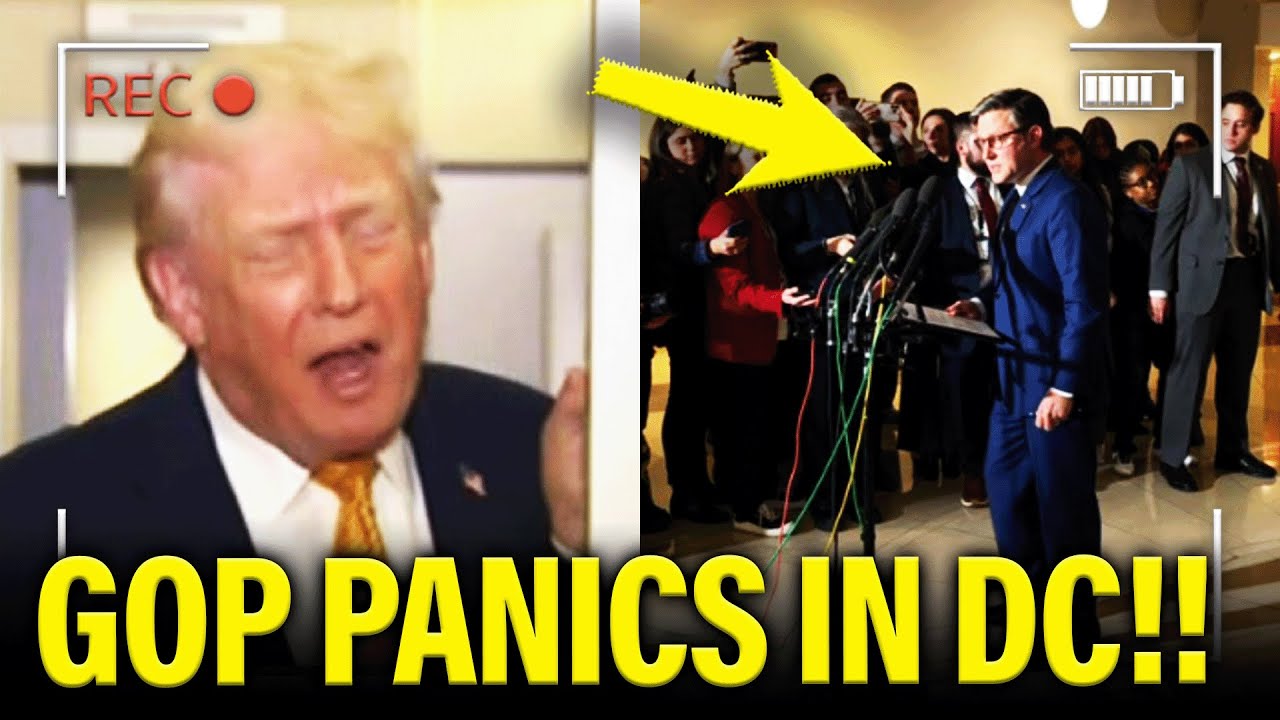
WASHINGTON — As Congress reconvened this week amid the shockwaves from President Trump’s audacious military operation that captured Venezuelan leader Nicolás Maduro, Republican leaders mounted a vigorous defense of the action, dismissing Democratic criticism and framing it as a decisive blow against narco-terrorism and regional instability.
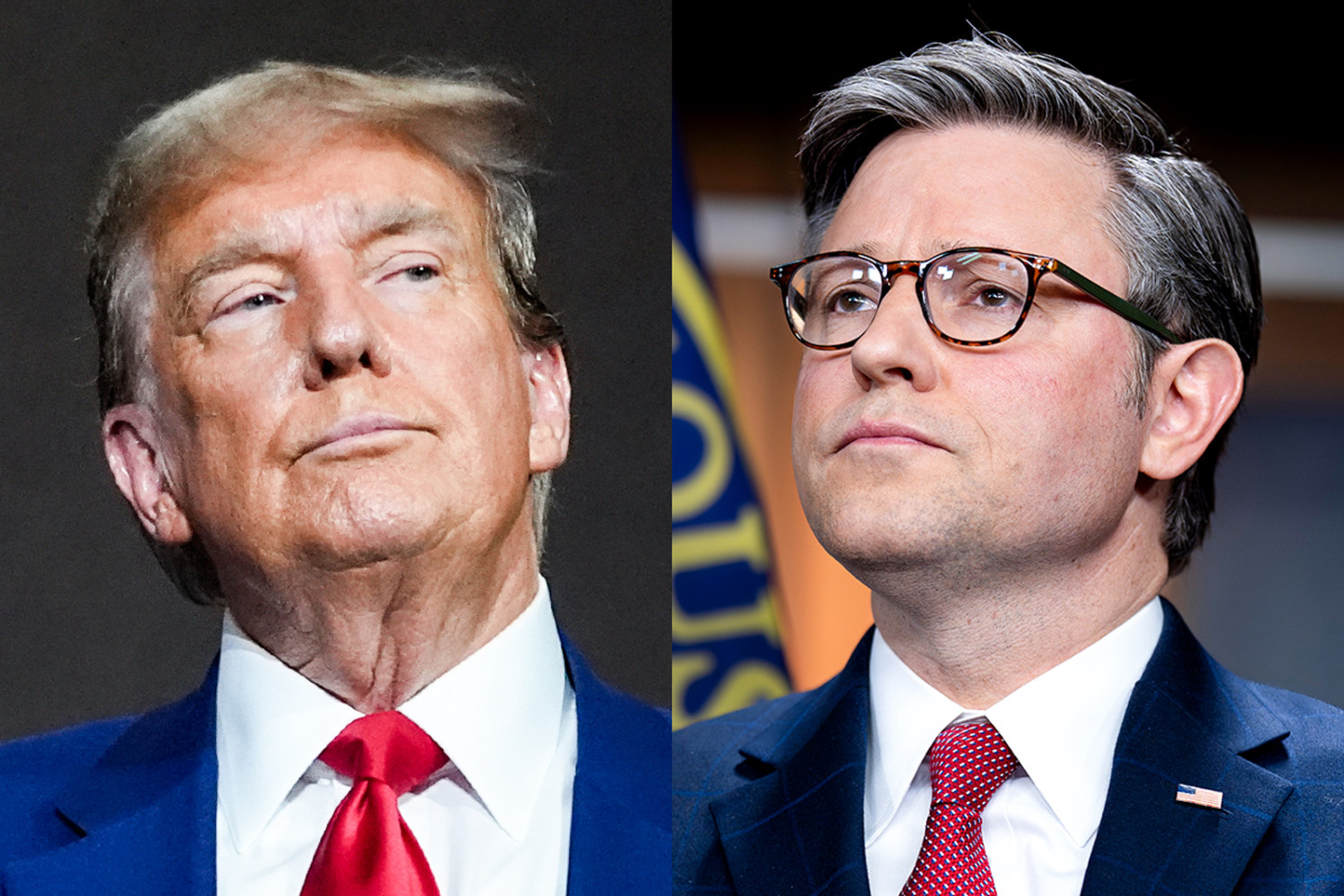
House Speaker Mike Johnson, in a tense news conference, insisted the operation fell squarely within executive authority under Article II, requiring only post-action notification to Congress rather than prior approval. “This is not regime change,” Johnson declared, describing the strike as a “demand for change of behavior” from a government accused of sheltering terrorists and flooding the United States with drugs.
Johnson’s remarks underscored a unified Republican front, with lawmakers like Rep. Jim Jordan (R-Ohio) expressing unwavering trust in Trump’s judgment. “I trust the commander-in-chief,” Jordan told reporters, citing Trump’s record of projecting strength compared to predecessors. Sen. Lindsey Graham (R-S.C.) went further, praising the operation while hinting at broader implications for adversaries like Iran.
The operation, launched January 3, saw U.S. forces seize Maduro and his wife, Cilia Flores, in Caracas, transporting them to New York for trial on drug-trafficking charges. Trump has declared the U.S. will temporarily “run” Venezuela, installing Vice President Delcy Rodríguez as interim leader — a Maduro ally who has pledged cooperation while condemning the intervention as aggression.
Critics, including Democrats and international observers, decried the move as a violation of sovereignty reminiscent of past U.S. interventions. Yet Republicans portrayed it as a necessary assertion of hemispheric dominance, with some, like adviser Stephen Miller, invoking the Monroe Doctrine to justify securing Venezuela’s vast oil reserves for American interests.
The debate spilled into broader foreign policy ambitions, as Trump revived calls to acquire Greenland for national security, with aides refusing to rule out military options — prompting alarm from NATO allies Denmark and others.
On the domestic front, Johnson faced renewed scrutiny for delaying a congressionally mandated plaque honoring Capitol Police officers who defended the building during the January 6, 2021, attack, calling the authorizing statute “not implementable.”

As the fifth anniversary of January 6 approached, the Venezuela operation dominated discourse, highlighting Republicans’ embrace of Trump’s aggressive posture. Democrats warned of perilous precedents, with one lawmaker haunted by “ghosts of Iraq and Afghanistan.”
The strike’s aftermath remains fluid: Rodríguez navigates U.S. demands amid domestic unrest, while Maduro’s trial looms. Trump, emboldened, signaled more assertive actions ahead, declaring America must conduct itself “as a superpower.”
For Republicans returning to Capitol Hill, the message was clear: Back the president’s vision, or risk irrelevance in an era of unapologetic American dominance.