A Cross-Border Crisis Takes Shape as Canada’s Steel Shock Ripples Toward U.S. Industries.
What began as a regional economic setback in northern Ontario has now widened into one of the most consequential trade and industrial crises facing North America. The abrupt layoffs at Aloma Steel — nearly 1,000 workers, more than a third of its workforce — have become a symbol of a deeper unraveling within Canada’s industrial base, and a sign of coming strain for the United States as well.

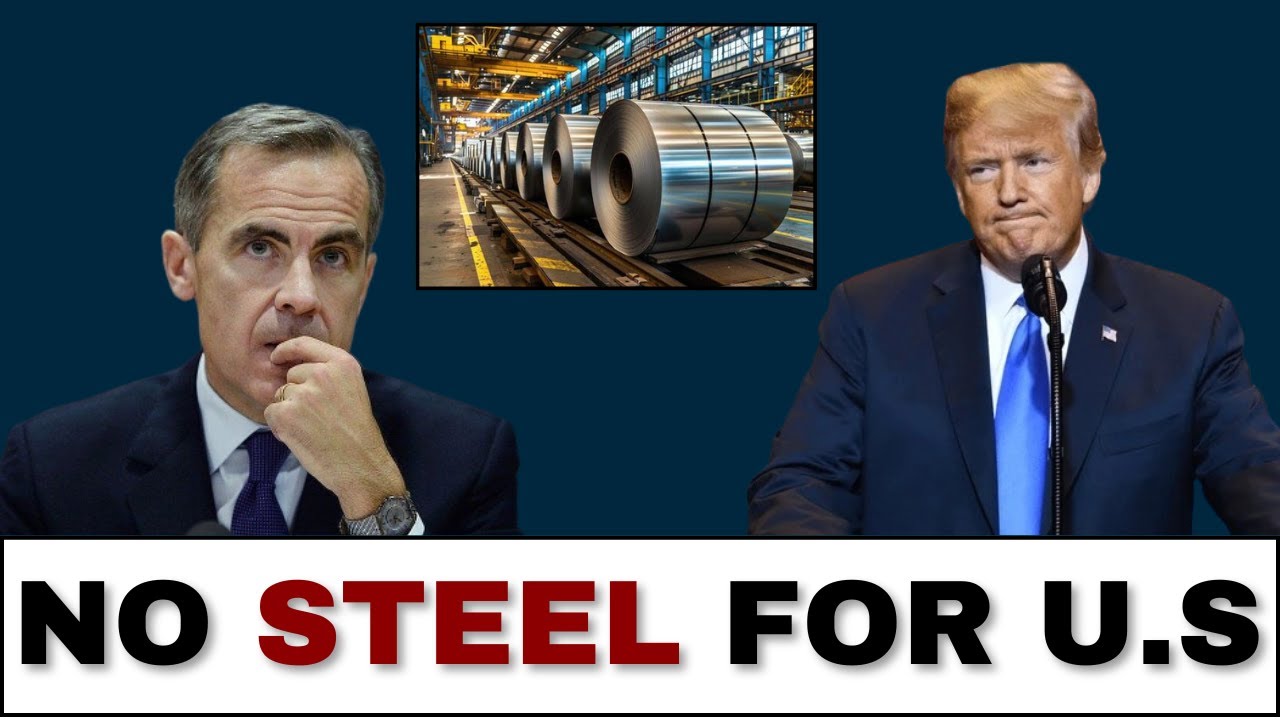
In Sault Ste. Marie, the announcement landed with a blunt force that left families scrambling. The plant, one of Canada’s last major independent steel producers, has weathered global competition, currency fluctuations, and shifting demand cycles. But the most recent shock, executives say, came from a direction they could not manage: U.S. tariffs that pushed Canadian steel out of competitiveness, severing longstanding cross-border supply lines with little warning.
For residents of the small steel town, the layoffs mean more than economic charts and trade negotiations. Workers who once expected steady careers now confront an abrupt uncertainty. “It’s devastating,” one longtime employee said. “There aren’t other jobs here. This was the job.”
Yet the problem is far larger than one plant. Canada’s steel and energy sectors — historically among the country’s industrial pillars — are facing a confluence of pressures: tariffs that reduce export viability, a politically fragile pipeline agenda, and domestic disputes that have fractured the governing coalition. The sudden resignation of MP Steven Guilbeault over Ottawa’s energy negotiations signaled a deeper fracture within Prime Minister Mark Carney’s government, revealing tensions between environmental policy, industrial necessity, and regional economic survival.
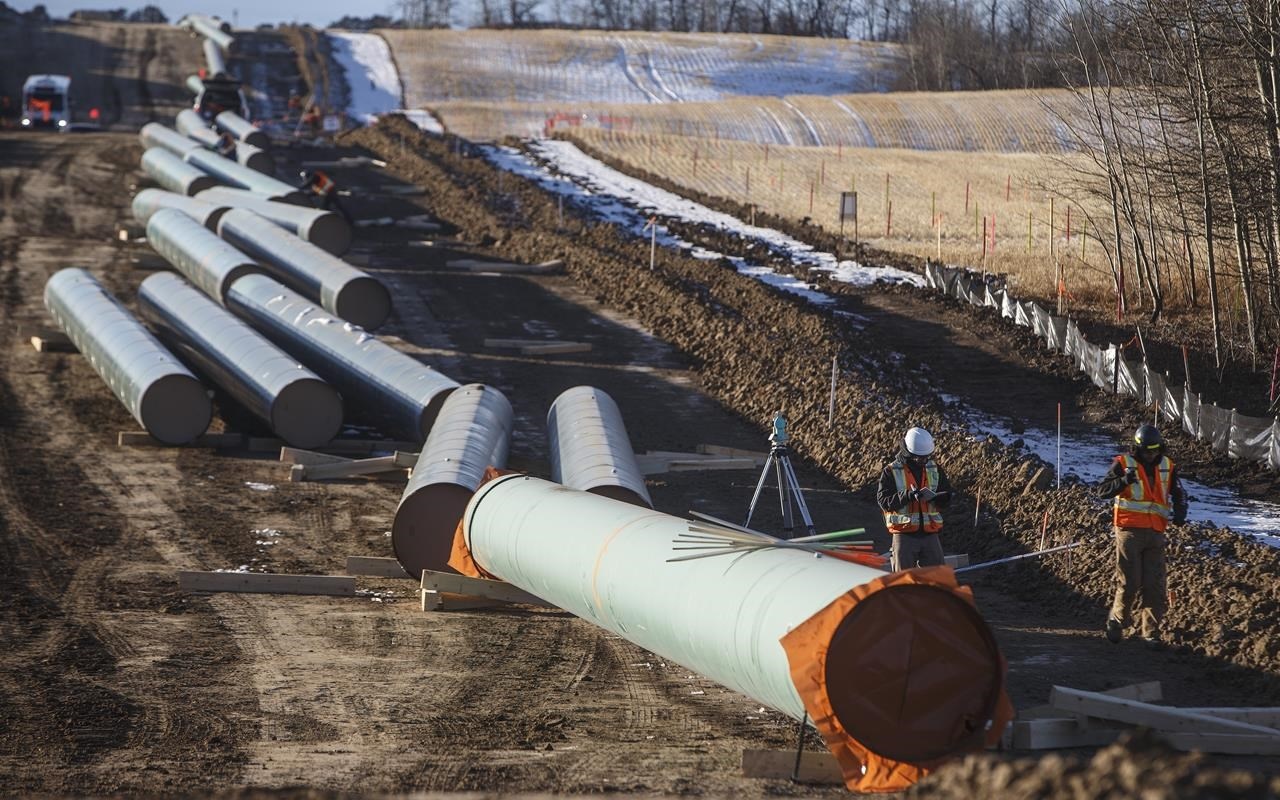
At the center of these disputes is the proposed energy pipeline project, billed as a cornerstone of Canada’s long-term energy strategy. In theory, the project could stabilize Alberta’s extraction sector and supply global markets. But the plan faces formidable obstacles: environmental challenges, Indigenous land-rights disputes, financing hurdles, and intense political scrutiny. Investors must commit by July 2026 to keep the project viable, yet many are wavering, citing both regulatory uncertainty and fears of public backlash.
The result is a fragile equilibrium — one that could collapse in multiple directions.
Meanwhile, U.S. officials have treated the tariff policy as a domestic economic instrument, designed to protect American industries while bolstering federal revenue. President Trump has repeatedly touted the tariffs as a source of “literally trillions of dollars,” arguing they will eventually allow for tax reductions, even claiming a future without federal income tax. Economists across ideological lines have questioned these assertions, but within the administration the rhetoric has become a central political talking point.
However, long-term consequences remain largely unaddressed. Canadian steel and aluminum have historically supplied U.S. automobile manufacturing, construction, and infrastructure development. A contraction in Canadian production, analysts warn, will not simply eliminate competition — it will constrict supply. Such shortages could raise American production costs, slow large-scale infrastructure projects, and deepen price pressures that manufacturers are already navigating.
In short, the U.S. may feel the very fallout it believed it could avoid.
The broader concern for both nations is timing. By 2026, key decisions converge: Canada’s pipeline financing deadline, U.S. industrial policy commitments, and the evolving geopolitical shifts in global steel supply, notably from China and Brazil. If pipelines stall, Canada risks not only losing future revenue but also forfeiting its competitive advantage in energy markets. If tariffs remain, North America risks fragmenting what had been one of the world’s most integrated industrial supply systems.
For communities on the ground, the stakes feel immediate. Rising prices across Canada and the U.S., worsening job insecurity, and a widening sense of political instability are increasingly shaping public sentiment. Activists blame corporate mismanagement. Industry groups fault political gridlock. Policymakers blame each other. But the economic indicators point toward structural weakness that predates any single decision.
Some Canadian steel producers are seeking new markets in Asia and Europe, but those strategies require time — and time is the one commodity the sector may not have. Government officials are engaged in negotiations with Washington, but early indications suggest neither side is prepared to make politically costly concessions in an election-charged environment.
Across both countries, there is a growing recognition that the situation is no longer a bilateral dispute but a continental challenge. Supply chains are increasingly interdependent. Energy infrastructures cross borders. Economic resilience relies on shared stability. And yet political incentives remain stubbornly national.
What happens next will determine not only the fate of a Canadian industry but the resilience of North America’s economic framework. Whether leaders can navigate this collision of tariffs, energy politics, and industrial decline may shape the future of the region far beyond 2026.
For now, the clock is ticking — and the consequences are approaching faster than either nation appears ready to confront.