As New Epstein Records Surface, Questions Multiply Around Trump and the Handling of Disclosure
Late Monday evening, a new batch of documents connected to the Jeffrey Epstein investigation began circulating online, igniting renewed scrutiny not only of Epstein’s sprawling network but also of how the federal government has managed the slow, fragmented release of records tied to one of the most infamous criminal cases in recent memory.
The documents, referred to as “Data Set 8” by researchers tracking Epstein-related disclosures, appeared briefly before being formally posted by the Justice Department hours later. In that narrow window, independent analysts downloaded tens of thousands of pages, only to notice that document numbers and internal references appeared to shift once the official release was made public. The changes, though subtle, immediately raised questions among transparency advocates and members of Congress who have long accused federal agencies of excessive secrecy surrounding the Epstein case.
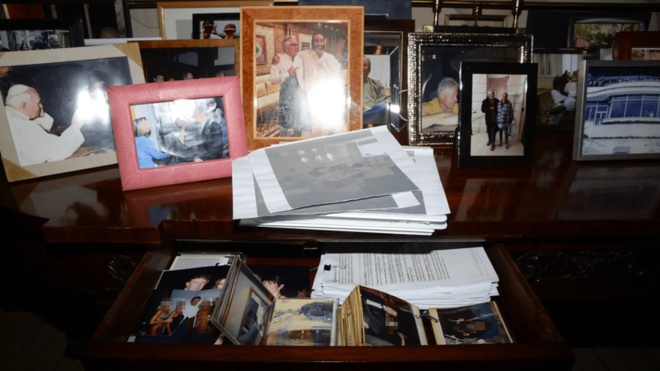
At the center of the renewed attention is former President Donald J. Trump, whose name appears in internal communications and flight records that prosecutors reviewed during earlier investigations. The records do not accuse Mr. Trump of criminal wrongdoing, but they describe travel patterns and associations that, according to former federal prosecutors, were more extensive than publicly understood at the time.
One internal email, attributed to an assistant United States attorney in the Southern District of New York and dated January 2020, summarizes a review of Epstein’s private jet flight logs. The message notes that Mr. Trump was listed as a passenger on multiple flights during the mid-1990s, including some in which Ghislaine Maxwell, Epstein’s longtime associate who was later convicted of sex trafficking offenses, was also present. The email states that prosecutors wanted to ensure the information would not “come as a surprise down the road,” a phrase that has since taken on renewed resonance.
The reemergence of these records has fueled an already intense debate on Capitol Hill over compliance with the Epstein Transparency Act, a bipartisan law intended to force the release of internal Justice Department materials related to the investigation. Representative Ro Khanna, Democrat of California and one of the law’s principal authors, has accused the department of selectively releasing documents while withholding what he describes as the most consequential evidence: FBI interview memoranda with victims and witnesses.
According to Mr. Khanna and others familiar with the interviews, those memoranda contain references to powerful figures across business and politics — allegations that have not been adjudicated in court but remain central to the survivors’ demands for transparency. “The concern,” Mr. Khanna said in a recent interview, “is that reputational protection is being prioritized over full disclosure.”
The Justice Department has not commented directly on the shifting document numbers or the allegations of manipulation. Officials have previously argued that redactions and delays are necessary to protect victim identities and comply with court orders. Critics counter that the same rationale has been used for years to justify withholding material that Congress explicitly ordered released.
Adding to the unease is the resurfacing of a controversial letter allegedly sent by Epstein shortly before his death in 2019. The letter, addressed to Larry Nassar, the former Olympic gymnastics doctor convicted of sexually abusing hundreds of girls, was referenced in earlier Bureau of Prisons records but never publicly released in full. The version now circulating purports to include disturbing language and references to political figures. Federal records indicate the letter was submitted for handwriting analysis, though no public conclusion has ever been released regarding its authenticity.
For some observers, the episode underscores how Epstein’s death — officially ruled a suicide — left behind not closure but a vacuum filled with unanswered questions, partial disclosures and lingering mistrust. Each new document drop, rather than settling the public record, appears to deepen suspicion that critical information remains buried.
Mr. Trump has long denied any involvement in Epstein’s crimes and has previously stated that he severed ties with Epstein years before the financier’s arrest. His supporters argue that the renewed focus is politically motivated and that no document released to date establishes wrongdoing. Still, the persistence of his name in internal prosecutorial communications ensures that the controversy remains alive, particularly as election-year politics sharpen scrutiny of past associations.
What happens next may depend less on any single document than on whether courts or Congress compel the release of the FBI interview memoranda that lawmakers and survivors continue to demand. Legal scholars note that the transparency law was written precisely to prevent agencies from invoking broad claims of privilege — a dispute that may soon be tested in federal court.
For now, the Epstein files remain a reminder that some scandals do not fade with time. They resurface, incrementally and messily, reshaping public understanding not through dramatic revelations alone but through the cumulative weight of records, omissions and unanswered questions. And as each new batch emerges, the question grows louder: what, if anything, is still being held back — and why?