In a rare, high-stakes moment behind closed doors, Special Counsel Jack Smith spent eight hours under oath before Congress. Now, with the sworn video deposition made public, Washington is buzzing. Calm, methodical, and unflinching, Smith laid out the legal reasoning behind one of the most consequential prosecutions in modern U.S. history—offering a stark window into how investigators viewed Donald Trump’s actions after the 2020 election.
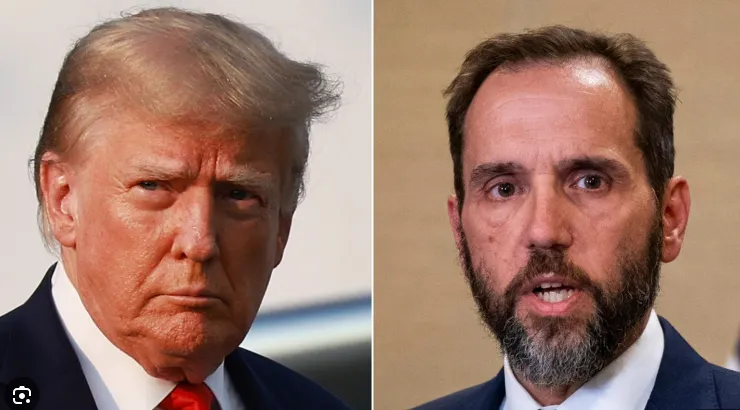
At the heart of Smith’s testimony was a sharp distinction between protected political speech and criminal conduct. He acknowledged that Trump was entitled to claim he won the 2020 election. But Smith stressed that the First Amendment does not protect knowingly false statements when they are used to obstruct a lawful government process. At that point, he said, speech becomes criminal—crossing into fraud and conspiracy.
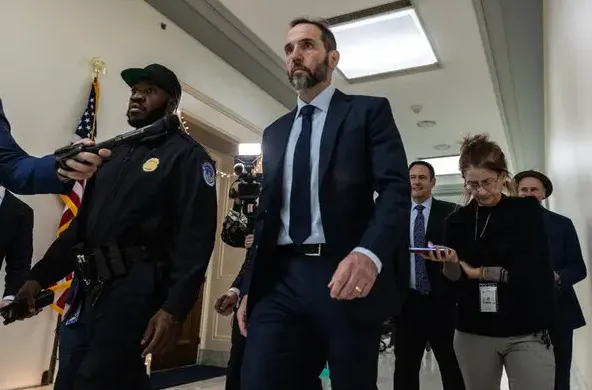
Smith also tackled a central political accusation head-on: claims that the case was driven by the White House or the Justice Department. Under oath, he testified that neither Attorney General Merrick Garland nor President Joe Biden ever pressured him to investigate or charge Trump. The decisions, Smith said, were his alone, guided strictly by evidence, facts, and the law.
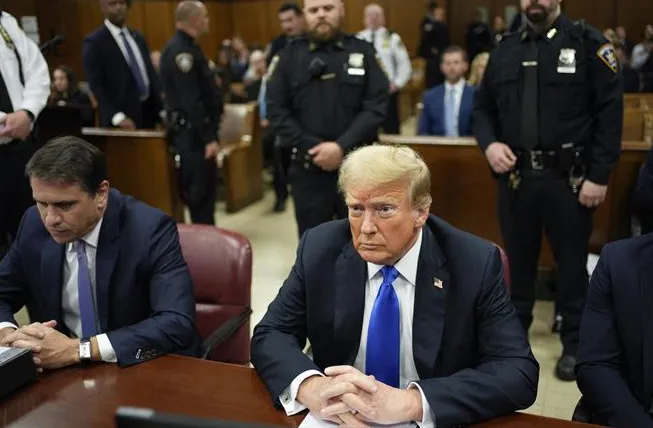
Some of the most damaging evidence, Smith revealed, came not from Democrats but from Republicans. State officials, electors, and longtime Trump allies repeatedly warned him that his efforts to overturn the election were illegal. According to Smith, these witnesses chose “country over party,” documenting how Trump ignored trusted advisors and pressed forward regardless.
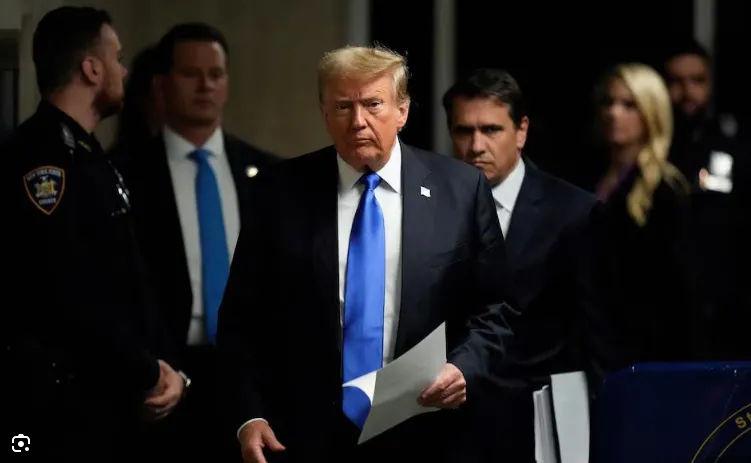
The deposition also revisited January 6 in blunt terms. Smith testified that evidence showed Trump failed to act promptly to stop the violence at the Capitol, even after being informed of the escalating chaos. Instead, Smith said, Trump continued pursuing efforts aimed at disrupting the certification of the election.
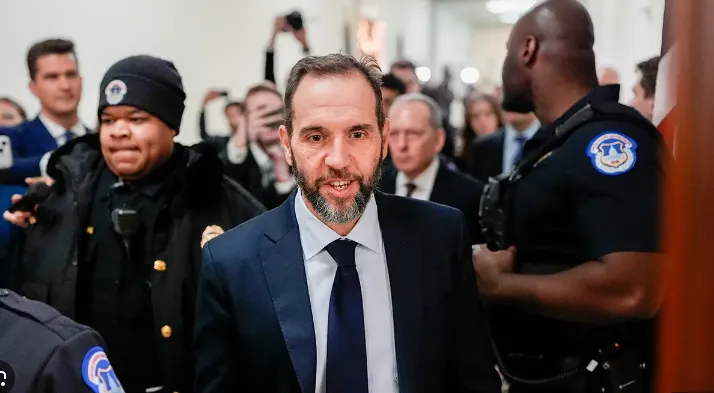
Finally, Smith dismantled claims of unlawful surveillance, explaining that investigators relied on legally obtained call records—not wiretaps. He also clarified that the Supreme Court’s ruling on presidential immunity did not amount to an exoneration of Trump’s conduct.
Taken together, the deposition presents a sobering portrait: a prosecutor, under oath, outlining why he believes the case against a former president is grounded not in politics, but in documented actions, repeated warnings, and alleged violations of the law.