Carl Rove Breaks With Trump, Warning Republicans of a Looming Electoral Reckoning
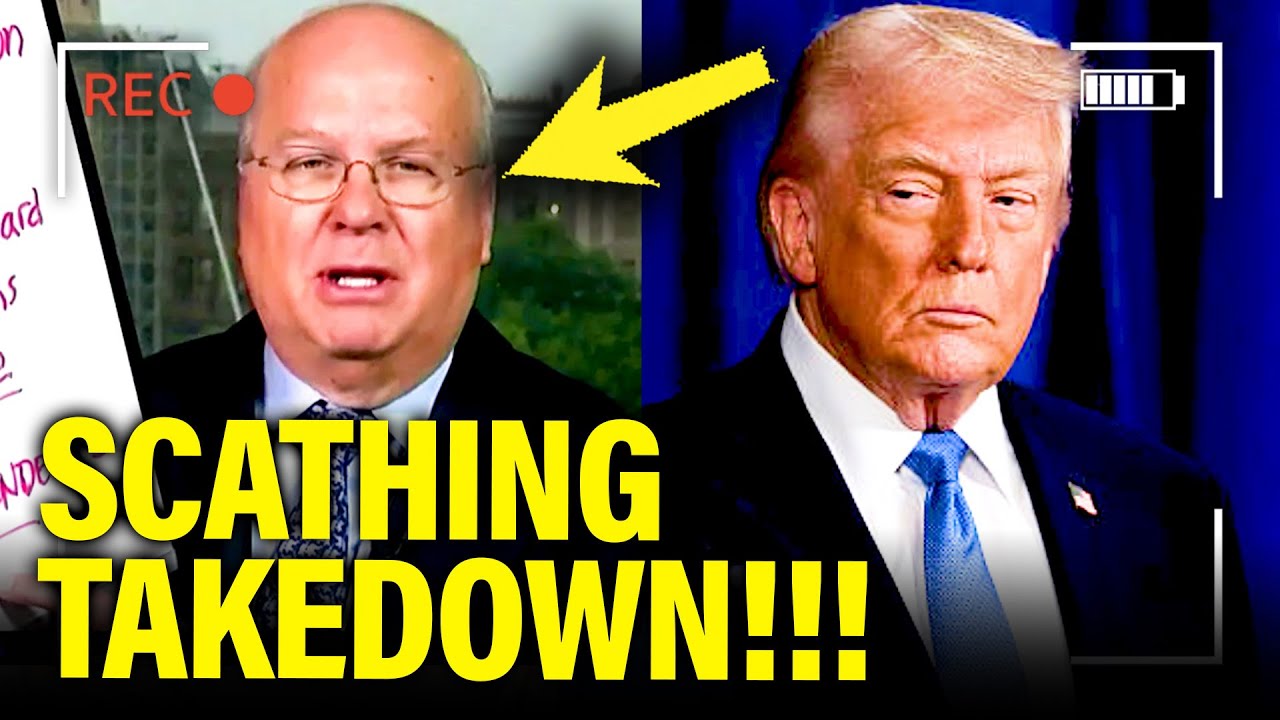
In a striking end-of-year intervention, Carl Rove—the longtime Republican strategist who once engineered George W. Bush’s electoral victories—has turned sharply against Donald Trump, delivering one of the most pointed internal critiques yet of the former president’s dominance over the party. Writing in The Wall Street Journal, Rove warns that Trump’s political instincts, once credited with reshaping American politics, are now actively endangering Republican prospects heading into the 2026 midterm elections.
Rove’s essay, titled “The Good, the Bad, and the Ugly of 2025,” reads less like a routine column and more like a warning flare from a veteran insider who understands how elections are actually won—and lost. While acknowledging Trump’s unmatched ability to command media attention, Rove argues that the former president’s omnipresence has become a liability. Trump’s relentless pace of rallies, social media posts, personal attacks, and self-congratulation, Rove suggests, is exhausting the public rather than persuading it.
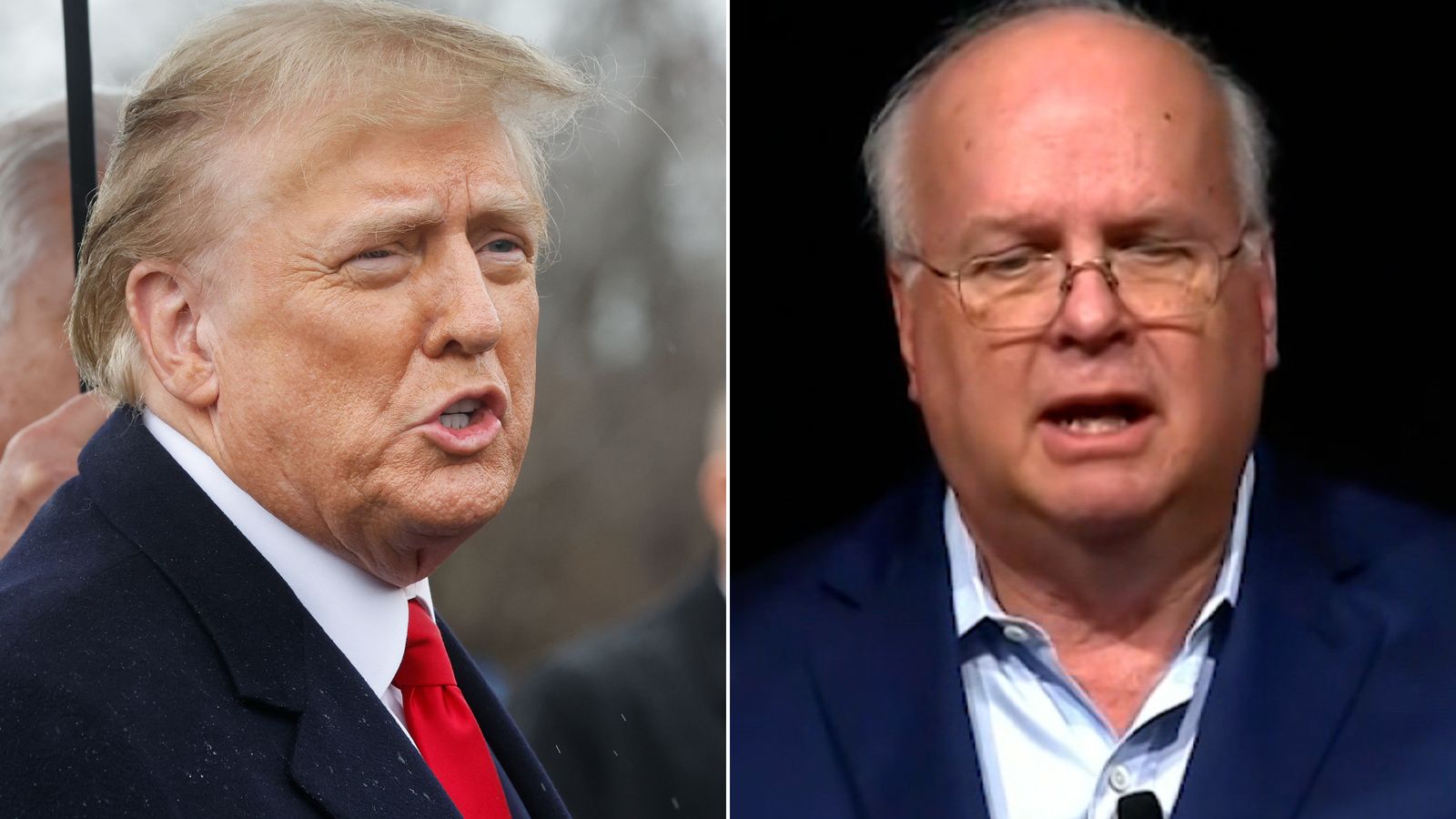
“No American president has ever ruled the news cycle like Donald Trump,” Rove wrote, noting that Trump floods the media with so much noise that voters increasingly tune out not just the theatrics, but also the substance. The result, Rove warns, is that Americans may now hear only the most offensive or cruel elements of Trump’s message, reinforcing negative impressions rather than broadening support.
At the core of Rove’s critique is a familiar principle of political communication that Trump appears to reject: presidents must sell their policies. Rove argues that Trump has convinced himself he no longer needs to explain or justify his actions, believing instead that sheer force of personality and repetition can compel public agreement. Constant claims that his achievements are “the biggest” and “the best in history,” Rove writes, may thrill the MAGA base, but they alienate swing voters who view such rhetoric as narcissistic and detached from reality.
Rove points to Trump’s habit of branding public institutions with his own name—from cultural landmarks to military hardware—as emblematic of a broader problem. While loyal supporters may applaud the symbolism, Rove argues that many Americans find it off-putting, even unbecoming of the presidency. Historically, Rove notes, successful leaders underpromise and overdeliver. Trump, by contrast, routinely overpromises and then lashes out when expectations go unmet.

The critique takes on added weight because it echoes growing anxiety within Republican leadership. According to Rove, congressional Republicans are deeply worried about a potential midterm “rout” if current trends continue. Trump’s insistence that inflation concerns are a “hoax” or that the economy is thriving, despite voters’ lived experiences at grocery stores and gas pumps, is particularly damaging. Voters, Rove suggests, are unlikely to trust reassurances from a billionaire telling them their financial stress is imaginary.
Beyond Trump himself, Rove highlights deepening fractures inside the Republican coalition. The MAGA movement, he writes, is increasingly consumed by internal warfare, with rival factions attacking one another over ideology, loyalty, and control. Populists and traditional conservatives are drifting further apart on core policy questions, from foreign affairs to economic priorities. This internal chaos, Rove warns, weakens the party’s ability to present a coherent alternative to Democrats.
Perhaps most remarkable is Rove’s call for civility and restraint—an appeal that carries a certain irony given his own reputation as a master of ruthless political combat. Yet the shift underscores how dramatically the Republican Party has changed. The party Rove once helped shape is no longer driven by backroom strategists and coalition-building, but by a single dominant figure whose approval ratings now hover in the low 30s.
Rove’s break with Trump places him alongside other prominent Republicans who have distanced themselves from the former president, including the late Dick Cheney and his daughter, Liz Cheney. Notably absent from that list is George W. Bush himself, who has remained largely silent. But Rove suggests that Bush’s influence within today’s GOP has faded, eclipsed by Trump’s grip on the party’s base.
The larger question Rove raises is whether Republicans can recalibrate before it is too late. With midterm elections approaching and warning signs flashing across polling data, his message is clear: Trump’s political style, once an asset, may now be dragging the party toward defeat. Whether Republicans heed that warning—or dismiss it as the grumbling of a bygone era—could determine not just the outcome of 2026, but the future direction of the party itself.