TRUMP BLINDSIDED AS CONGRESS BLOCKS HEALTHCARE BILLS IN HISTORIC MOVE
WASHINGTON — In an extraordinary turn of events on Capitol Hill, President Trump’s latest healthcare proposals were effectively blocked as moderate Republicans joined Democrats in a rare, bipartisan effort to preserve expiring subsidies under the Affordable Care Act. The move, which caught the White House off guard, underscores the growing tension between House leadership and rank-and-file members, particularly those representing swing districts.
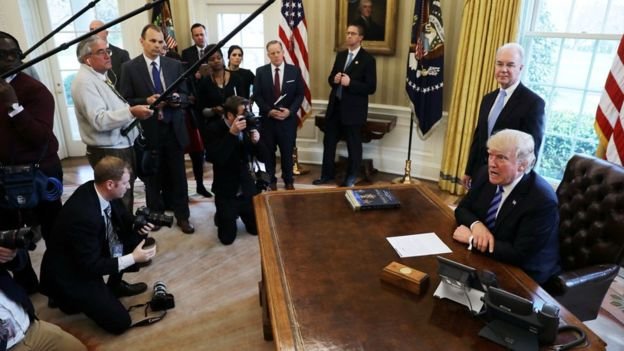
The episode began quietly, with Speaker Mike Johnson advancing a narrow healthcare package that did not include extensions for ACA subsidies set to expire at the end of the year. But just moments later, four Republican lawmakers — Brian Fitzpatrick of Pennsylvania, Mike Lawler of New York, and Pennsylvania freshmen Rob Brezan and Ryan McKenzie — signed onto a Democratic-led discharge petition designed to force a vote on a three-year extension of the subsidies. The petition, reaching the critical threshold of 218 signatures, guarantees that the measure will come to the House floor, likely in January.
“This is an absolute failure of leadership,” said Representative Mike Lawler, whose swing district faces intense electoral pressure. His remarks echoed the frustration voiced by several colleagues, who argued that millions of Americans risk losing essential health coverage as premiums are poised to spike dramatically. “We have members on both sides who believe this is urgent, and it is,” Lawler said. “Why not give people a vote?”
Behind the scenes, sources indicate that the push from these moderate Republicans reflects both political pragmatism and constituent pressure. Many lawmakers in competitive districts are facing constituents grappling with soaring healthcare costs, rent increases, and inflation, creating a potent incentive to break with leadership. “Moderates feel boxed in,” a senior GOP aide said. “They had no choice but to take this public stand.”
For Trump, who has repeatedly promised to replace or improve Obamacare, the outcome represents a significant rebuke. Throughout his tenure, he has positioned himself as a champion of sweeping healthcare reform, often criticizing the ACA while offering little concrete alternative. The recent turn of events highlights the limits of his influence within his own party, particularly as rank-and-file Republicans push back against leadership priorities.
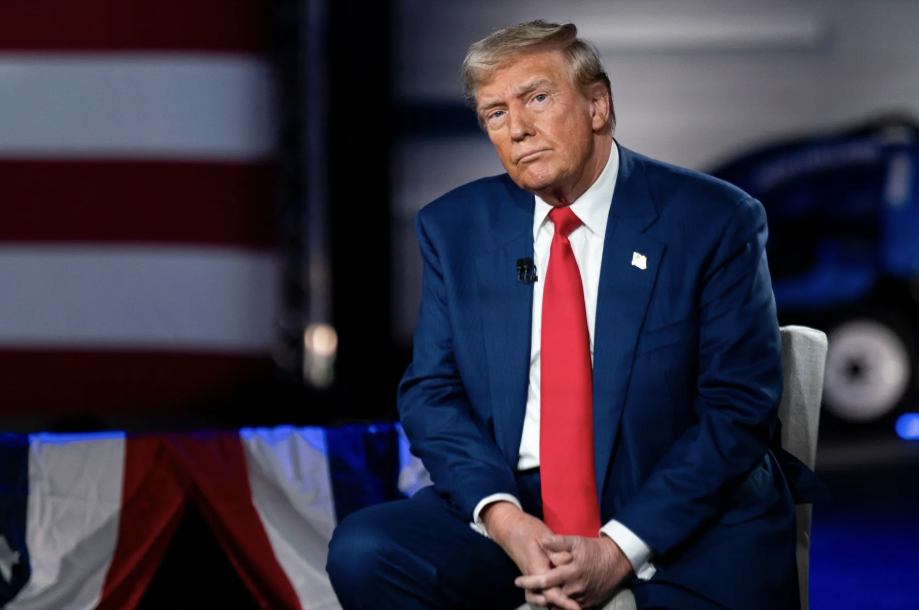
Analysts suggest that the spectacle could have broader implications for House leadership. Speaker Johnson, who has faced repeated challenges from within his conference, now confronts a visibly fractured caucus. The rebellion of swing-district Republicans not only threatens the speaker’s legislative agenda but also signals the fragility of party unity as midterm elections approach. “This is more than a policy disagreement,” said political analyst Jennifer Carroll. “It’s a test of control, credibility, and political survival for the leadership.”
On the floor of the House, the debate was intense and emotionally charged. Lawmakers described the urgency of the moment, citing families facing premium increases that could double, triple, or even quadruple in the coming months. “People are sitting at their kitchen tables realizing they cannot afford health insurance anymore,” one Democrat noted. “And yet Republicans refuse to act.” Lawmakers also criticized the administration for favoring corporate interests over ordinary Americans, highlighting billions in Pentagon spending, tax breaks for the wealthy, and subsidies to big oil, pharma, and tech companies.
While the House move does not guarantee that ACA subsidies will be extended, it places considerable pressure on Senate Republicans, many of whom have signaled opposition to the measure. Negotiations are reportedly ongoing, though sources suggest that the public visibility of the bipartisan effort could sway some Senators to reconsider. “The political stakes are incredibly high,” said Carroll. “Lawmakers are acutely aware of how this will play out with voters, especially in swing districts where healthcare is a top concern.”
The unfolding drama also illustrates a broader dynamic within American politics: the tension between national leadership ambitions and local electoral realities. Members in competitive districts are increasingly willing to challenge party orthodoxy, aligning with opposition efforts to prevent policy outcomes that would provoke backlash among constituents. For Trump and House leadership, the incident is a stark reminder that the party’s control is contingent, not absolute, and that policy victories can be thwarted from within as effectively as from without.
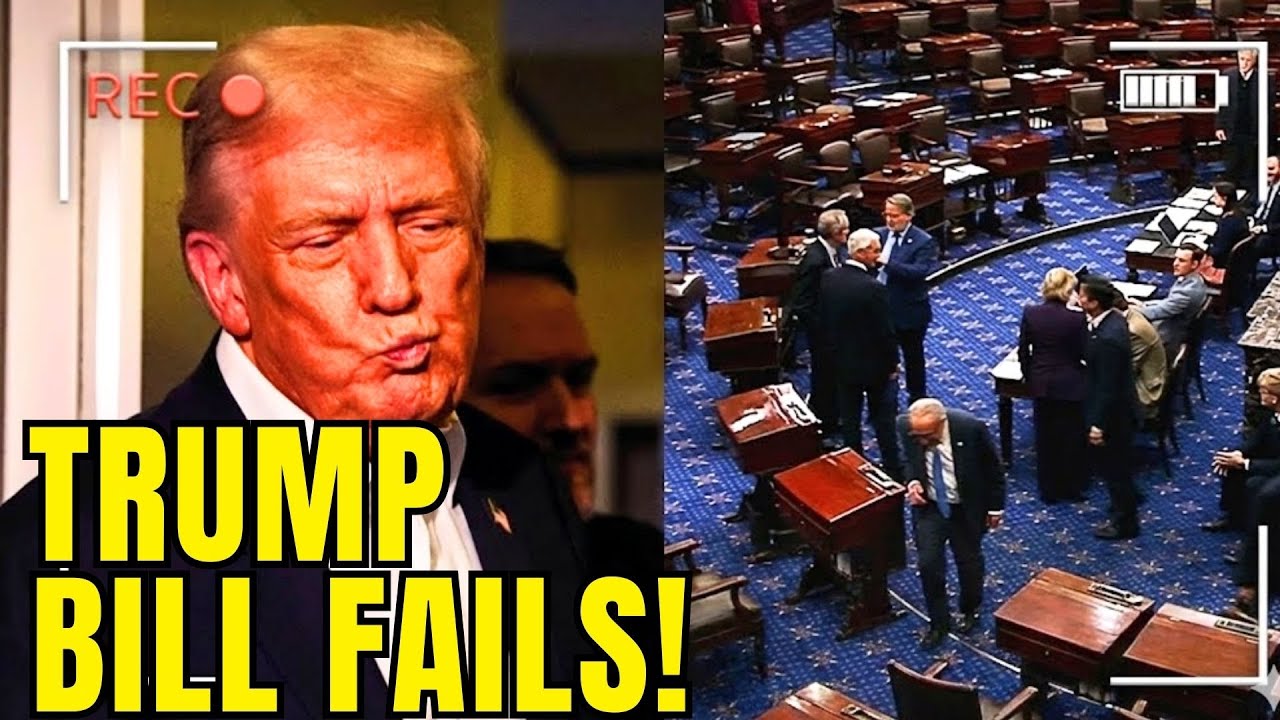
As the debate moves toward a House vote in January, the stakes could not be higher. Millions of Americans face potential premium spikes, while Republicans grapple with internal dissent and the optics of inaction. For Trump, who has long emphasized promises of a better healthcare system, the current moment represents both a policy and political setback. The coming weeks are likely to see continued negotiations, public scrutiny, and, perhaps, further surprises as members navigate the competing pressures of party loyalty, constituent demands, and legislative strategy.
In the end, the episode is emblematic of the modern Congress: a chamber where party unity is increasingly fragile, leadership faces constant scrutiny, and the interplay between policy, politics, and public perception can shift dramatically in a matter of hours. Trump’s healthcare agenda, long heralded as transformative, now hangs in the balance, a vivid illustration of the complexities and uncertainties that define governance in Washington today.