After Radcliffe Hoax, Another Orca Dies – A Real Tragedy at SeaWorld Sparks Outrage
The marine entertainment industry has been rocked by yet another tragedy, as SeaWorld San Antonio confirmed the death of an orca named Kamea on 19 June 2025. The 11-year-old female, the youngest orca in SeaWorld’s care, succumbed to an undisclosed illness, reigniting global debate over the ethics of keeping killer whales in captivity. This loss comes on the heels of a viral hoax involving a fictional trainer named Jessica Radcliffe, whose fabricated death by orca attack captivated social media. While the Radcliffe story was debunked as AI-generated misinformation, Kamea’s death is a stark reminder of the very real toll captivity takes on these intelligent marine mammals.
Kamea’s passing marks the 45th orca death at SeaWorld, according to animal rights group PETA, and has intensified scrutiny of the company’s practices. Born in 2013 at SeaWorld San Antonio, Kamea spent her entire life in a concrete tank, far from the vast oceans where orcas thrive. Her mother, Takara, remains at the facility, while her father, Kshamenk, is confined at Mundo Marino in Argentina. In the wild, orcas like Kamea can live up to 80 years, staying with their family pods and navigating complex social and ecological environments. At SeaWorld, Kamea’s short life was marked by confinement, repetitive performances, and, according to whistleblowers, signs of physical and emotional distress.
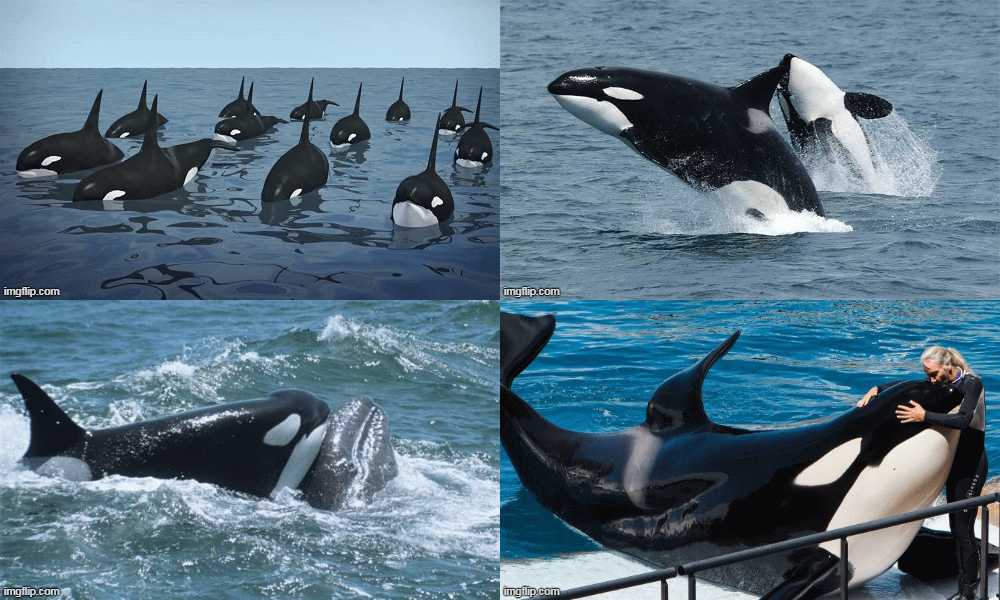
The Jessica Radcliffe hoax, which spread rapidly across platforms like TikTok and Facebook in early August 2025, falsely claimed that a 23-year-old trainer was killed by an orca during a live show at a nonexistent Pacific Blue Marine Park. Fact-checkers, including Vocal Media and Forbes, quickly debunked the story, citing AI-generated visuals, fabricated names, and a lack of credible records. The hoax drew on real tragedies, such as the 2010 death of SeaWorld trainer Dawn Brancheau, killed by the orca Tilikum, to lend it plausibility. While the Radcliffe narrative was fictional, it tapped into genuine concerns about the dangers of orca captivity, amplifying emotional responses and driving online engagement.
Kamea’s death, however, is no fabrication. SeaWorld issued a brief statement: “We are deeply saddened to report the passing of our beloved orca, Kamea. Her playful spirit and unique personality touched the hearts of all who knew her.” The statement, criticized as vague and hollow by activists, omitted details about the cause of death, leading to speculation and outrage. A whistleblower from SeaWorld’s veterinary department, speaking anonymously to Marine Watch, claimed Kamea suffered from acute gastrointestinal inflammation, chronic tooth abscesses, and elevated cortisol levels—symptoms consistent with prolonged stress and inadequate stimulation. “We begged leadership to take her off show rotations weeks ago,” the source said. “She wasn’t well—physically or emotionally.”
Animal rights groups, including PETA and the Oceanic Preservation League, have seized on Kamea’s death to renew calls for an end to orca captivity. “Two tragedies in three months—one human, one whale, even if the human was fictional—should be a wake-up call,” said PETA spokesperson Linda Nguyen. “How many more orcas must die before SeaWorld shuts down its tanks?” Social media has been flooded with hashtags like #JusticeForKamea and #ShutDownSeaWorld, reflecting growing public discontent. Posts on X have echoed this sentiment, with one user writing, “Orcas are mammals, warm-blooded, with live births like humans. Tanks are systematic sensory deprivation—torture. Free all orcas.”
SeaWorld’s history with orcas is fraught with controversy. The 2013 documentary Blackfish exposed the psychological and physical toll of captivity on orcas, focusing on Tilikum, who was involved in three human deaths, including Brancheau’s. The film led to a public relations crisis for SeaWorld, prompting the company to end its orca breeding program in 2016 and phase out theatrical shows. Despite these changes, 17 orcas remain in SeaWorld’s three U.S. parks, and critics argue that the company’s reforms are superficial. Former trainer Eric Masters, now a whistleblower, stated, “The death of Radcliffe was a fake story, but Kamea’s is real. SeaWorld didn’t learn from Blackfish or Brancheau. This cycle will continue without legislation.”
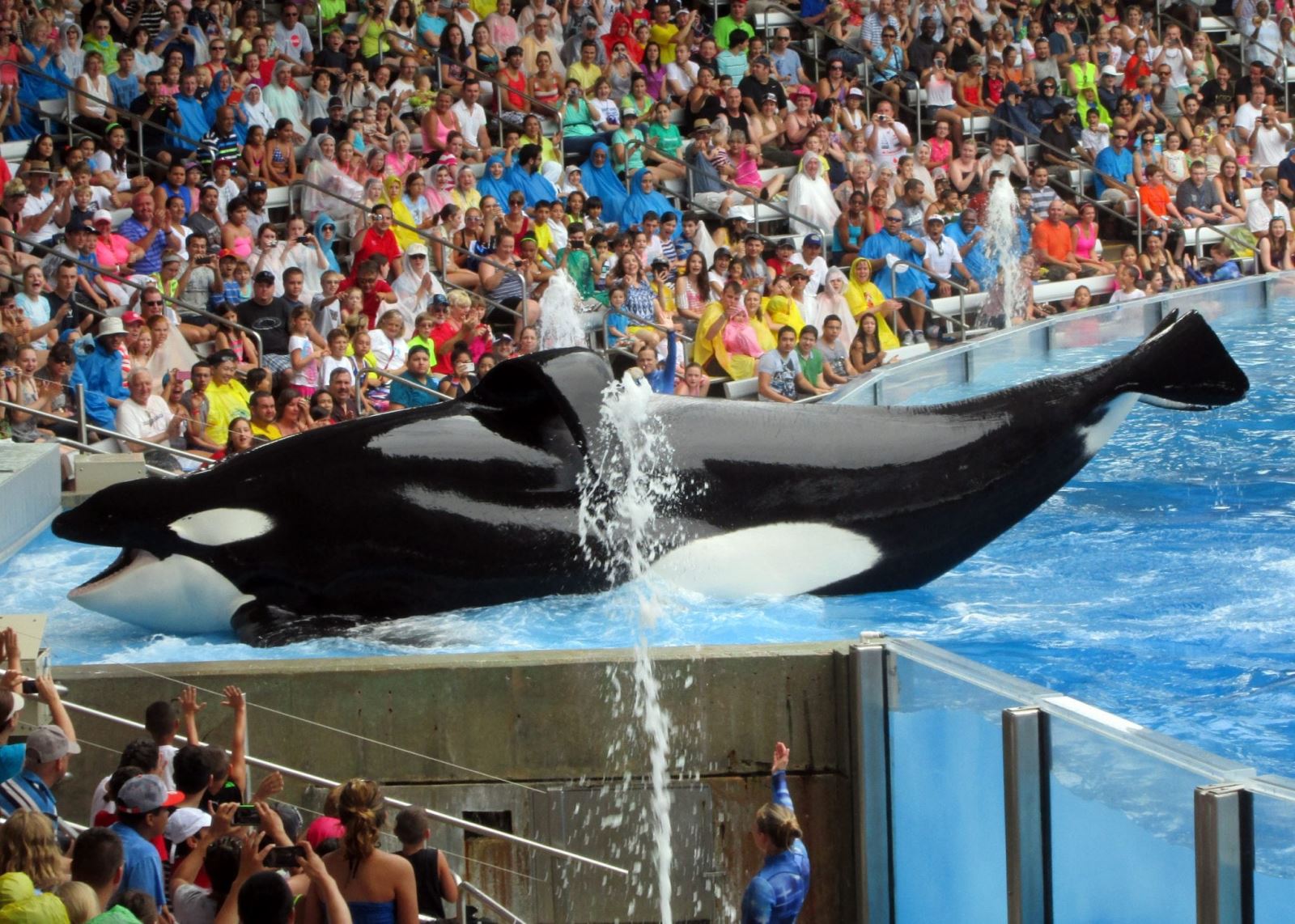
Kamea’s death also highlights the broader risks of orca captivity. Since the 1960s, over 40 documented incidents have involved orcas injuring trainers, with fatalities including Brancheau, Alexis Martínez in 2009, and Keltie Byrne in 1991. In June 2022, an orca named Malia caused multiple fractures to a trainer during a routine dental cleaning at SeaWorld Orlando. Earlier in 2025, another trainer was injured, leading to a $16,550 fine from OSHA for exposing staff to “bite, strike, and drowning hazards.” These incidents underscore the unpredictable nature of captive orcas, whose stress from confinement and disrupted social structures can manifest in aggression.
Activists argue that orcas belong in their natural habitats or, at minimum, seaside sanctuaries where they can experience a semblance of freedom. PETA has called for SeaWorld to release its remaining orcas and return Kamea’s ashes to the ocean, a symbolic gesture for an animal denied her natural home. “Kamea never felt the pull of ocean currents or heard the calls of her pod,” PETA wrote in a letter to SeaWorld. “The least you can do is let her rest where she belonged.”
SeaWorld, however, shows no signs of ending its orca programs. The company continues to promote its parks as educational, despite declining attendance and mounting criticism. Fans have noted a reduced orca presence, particularly at SeaWorld Orlando, where animals are less visible in viewing pools. Some attribute this to incidents like one involving Trua, an orca who reportedly struck his head on a glass barrier, drawing activist ire. Others argue the smaller pools and repetitive shows fail to meet the animals’ needs.
The contrast between the Radcliffe hoax and Kamea’s death underscores the power of narrative in shaping public perception. While AI-generated fiction can spark outrage, real tragedies like Kamea’s often struggle to maintain momentum against SeaWorld’s polished PR. Yet, the growing chorus of voices on X and beyond suggests a tipping point may be near. “Kamea’s death is a tragedy, not a spectacle,” one user posted. “SeaWorld can’t keep hiding behind vague statements.” As the debate rages, Kamea’s name joins a grim list of orcas lost to captivity, a stark reminder that the fight for their freedom is far from over.