Canada–China Trade Deal Raises Questions About North American Grain and Auto Supply Chains
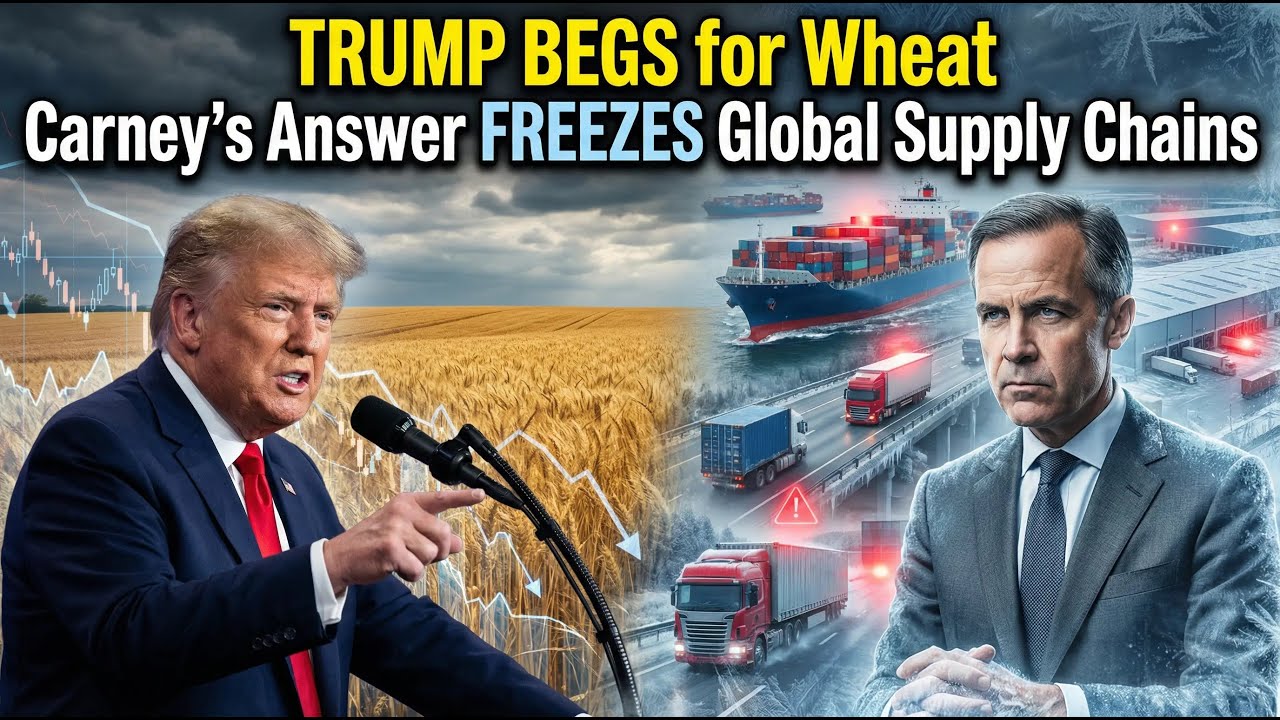
A newly reported Canada–China trade agreement is drawing attention from trade analysts and supply chain experts, after details emerged about tariff reductions tied to agricultural exports and electric vehicles. The move is being described by commentators as one of the most significant shifts in Canada’s trade posture in years — especially as the United States, Canada, and Mexico approach a scheduled review of the USMCA trade pact.
What Is Reportedly in the Canada–China Agreement?
According to policy discussions summarized in recent commentary, the reported framework includes two major elements:
-
China reducing tariffs on Canadian canola imports — previously raised to very high levels — to a much lower rate
-
Canada lowering tariffs on certain Chinese electric vehicles under a quota system
While official final texts and enforcement details are still being clarified, the structure suggests a reciprocal market-access swap: agriculture in exchange for EV access.
Agricultural economists note that canola — not wheat — appears to be the primary commodity at the center of the arrangement, though the broader grain export strategy is also implicated.
Why Canola and Grain Trade Matter to North America
Canada is one of the world’s leading exporters of canola and a major exporter of wheat, barley, and other grains. A large share of Canadian grain exports traditionally flows into the U.S. market through highly integrated cross-border logistics networks.
These include:
-
Shared rail corridors
-
Cross-border grain terminals
-
Joint storage and milling infrastructure
-
Blended processing streams
Because of this integration, shifts in Canadian export destinations can affect pricing, routing, and contract structures across the region.
USMCA Review Adds Timing Pressure
The development comes ahead of the scheduled 2026 review of the USMCA agreement, the trade pact that replaced NAFTA. That review clause allows member countries to renegotiate terms or extend the agreement.
Trade lawyers say even the possibility of major revisions can slow business decisions, because companies hesitate to commit capital when tariff rules may change.
Industries considered especially sensitive include:
-
Automotive manufacturing
-
Agricultural commodities
-
Industrial metals
-
Energy equipment
Auto Sector Watching EV Tariff Changes Closely
One closely watched piece of the reported deal is the electric vehicle quota allowing Chinese EV imports into Canada at reduced tariff levels.
North American auto manufacturing is deeply cross-border. A single vehicle may include parts produced in all three USMCA countries. Analysts say policymakers will be watching whether EV imports remain in Canada’s domestic market or influence broader North American production and sourcing strategies.
At this stage, there is no confirmed evidence of rule violations or backdoor routing, but industry groups are monitoring compliance frameworks.

Supply Chain Risk Is Often About Uncertainty
Experts frequently note that supply chains are disrupted less by single policy moves and more by policy unpredictability. When companies cannot forecast tariff exposure, they tend to:
-
Delay expansion projects
-
Diversify supplier bases
-
Increase buffer inventories
-
Seek alternative export markets
This does not equal immediate “collapse,” but it can reduce efficiency and raise operating costs over time.
Are Grain and Wheat Flows at Immediate Risk?
Despite dramatic commentary in some media segments, current trade data does not show a sudden stop in Canada–U.S. grain flows. Wheat and other grains continue moving through established channels.
However, diversification efforts — if sustained — could gradually rebalance where future export growth is directed, particularly toward Asian markets where food demand is rising.
Bigger Picture: Trade Diversification Trend
Globally, many countries are pursuing multi-market trade strategies rather than relying heavily on a single dominant partner. Canada expanding ties with China — if confirmed in full — would fit within that broader diversification trend also seen in Europe, Asia, and Latin America.
Whether this represents a temporary adjustment or a structural realignment will depend on:
-
Final legal terms of the deal
-
USMCA review outcomes
-
Future tariff policy signals
-
Market demand conditions
Conclusion
The reported Canada–China trade arrangement highlights how agriculture, electric vehicles, and geopolitics are increasingly interconnected. While some commentators describe the move in dramatic terms, the measurable impact will depend on implementation details and how businesses respond over the coming months.
With the USMCA review approaching, North American supply chains are likely to remain under close watch from investors, policymakers, and industry leaders.