FIFA 2026 World Cup Faces Boycott Talk Amid Rising Political Tensions
The 2026 FIFA World Cup — set to be hosted across the United States, Canada, and Mexico — is drawing global attention not only for its expanded format and historic scale, but also for growing political controversy surrounding travel rules, visa policies, and fan access.
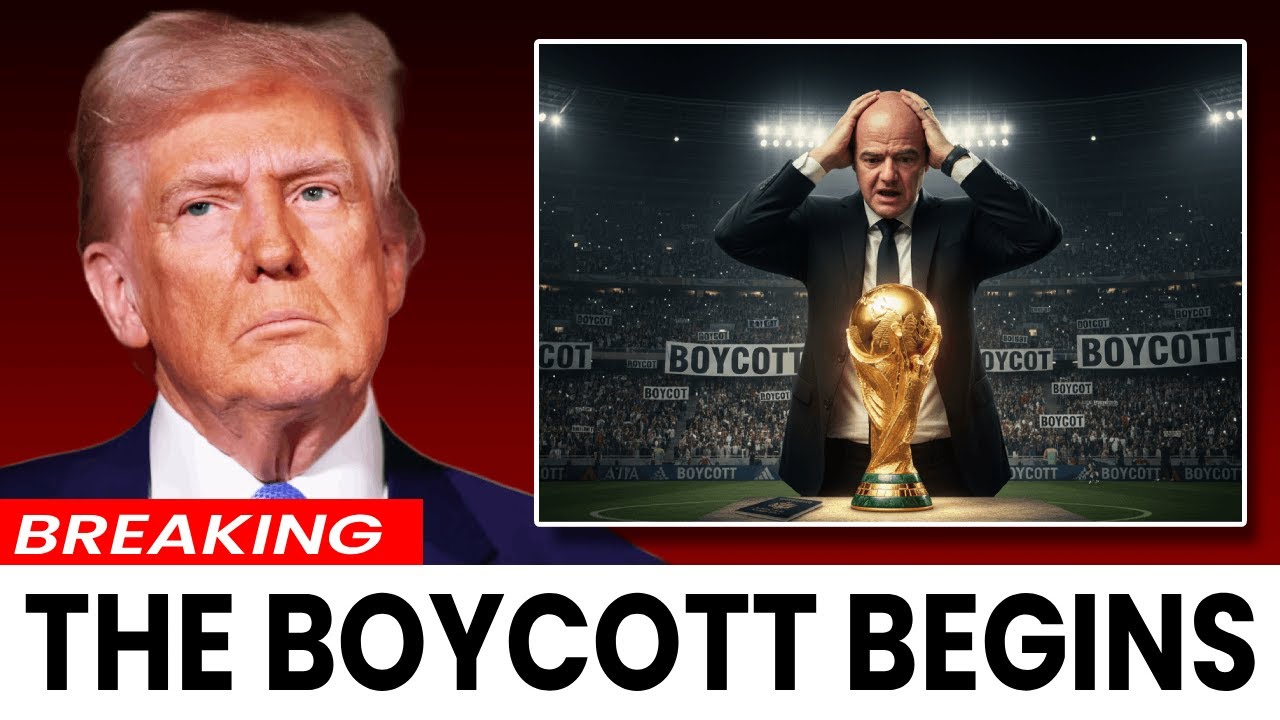
Recent media discussions and political commentary in Europe and North America suggest that some public figures and advocacy groups have raised the idea of a potential boycott. While no major national football federation has officially announced a withdrawal, the debate itself has added an unexpected political layer to the tournament buildup.
Why Boycott Discussions Are Emerging
Several issues are being cited by commentators and activists:
-
Concerns about visa processing and entry requirements for certain countries
-
Debate over immigration enforcement policies in the United States
-
Rising travel and accommodation costs tied to World Cup demand
-
Questions about fan safety perception and host-city readiness
Some politicians in Europe have publicly floated boycott language in interviews, though these statements do not represent official federation policy at this time.

FIFA’s Position on Politics and Tournament Control
FIFA leadership has repeatedly emphasized that the World Cup is intended to remain politically neutral and globally inclusive. Officials have stated that tournament decisions — including host city match allocations — fall under FIFA authority, not political pressure.
Football governing bodies traditionally resist linking participation decisions to political disputes, though past tournaments have faced similar debates.
Ticket Demand vs. Public Backlash
Despite boycott conversations online, demand indicators remain strong:
-
Ticket application numbers are reported to be extremely high
-
Hospitality packages are selling quickly
-
Hotel prices are rising across all three host countries
-
Sponsor activity remains active, though brand risk is being monitored
This suggests a complex picture: high demand coexisting with political criticism.
Canada and Mexico Seen as Stabilizing Co-Hosts
Analysts note that Canada and Mexico are being viewed as stabilizing partners in the tri-nation hosting model. Both countries have emphasized operational readiness, visitor access clarity, and prior tournament experience.
Some sponsors and travel planners are reportedly diversifying event activations across all three host countries rather than concentrating in a single market.

What Happens Next?
At this stage:
-
No confirmed federation boycott exists
-
No matches have been officially reassigned
-
No FIFA participation bans have been announced
-
Debate remains largely political and media-driven
However, perception matters in global sporting events. Travel policy clarity, visa processing transparency, and host-nation messaging will likely shape how this story develops over the coming months.