Tensions between Canada and the United States have intensified after Canadian Prime Minister Mark Carney strongly criticized what officials described as unauthorized U.S. outreach regarding cross-border resource discussions. The dispute has quickly escalated into a major diplomatic flashpoint, with Ottawa signaling it will firmly defend national sovereignty over critical natural resources, including freshwater systems and energy-linked river infrastructure. The development marks one of the sharpest public disagreements between the two allies in recent years.
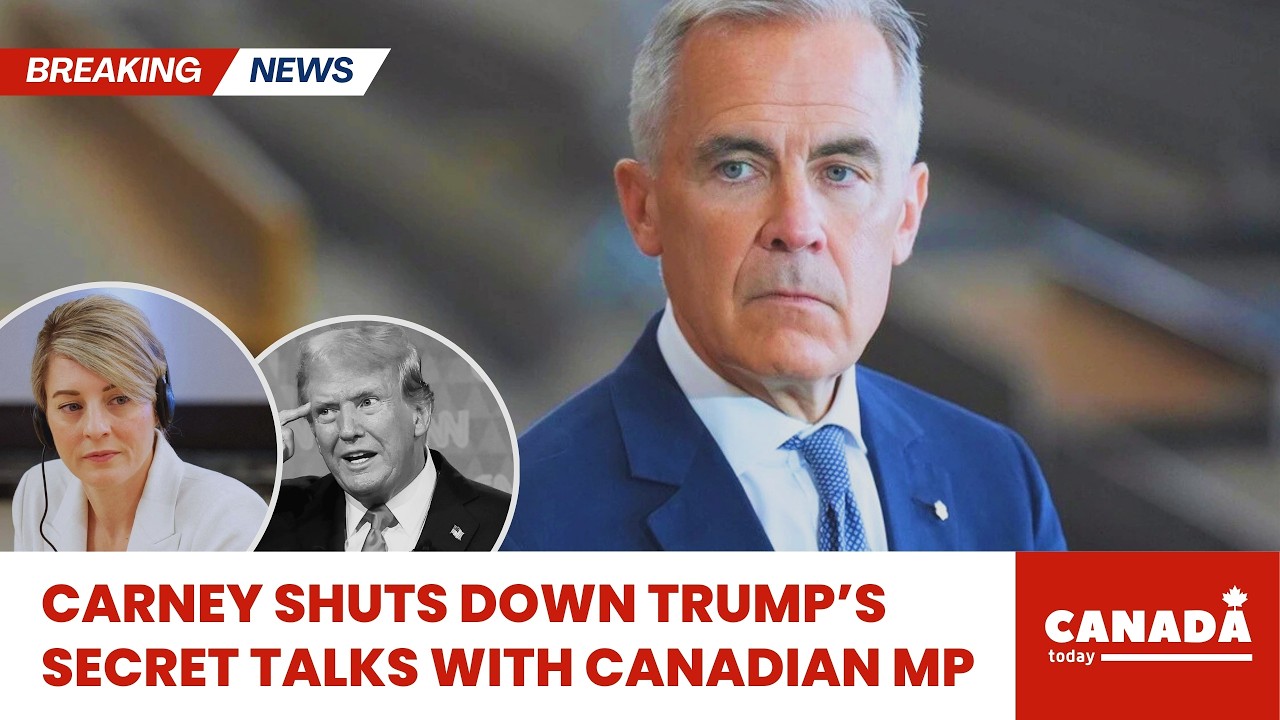
According to Canadian officials, any attempt to negotiate resource access outside established treaty frameworks is unacceptable. The comments come amid growing debate over North America’s water security as drought conditions continue to pressure parts of the western United States. While no formal new U.S. policy has been confirmed, political rhetoric surrounding access to northern water supplies has triggered alarm across Canadian political, environmental, and Indigenous leadership circles.
Prime Minister Carney’s response was direct and widely shared across Canadian media. He emphasized that Canada’s natural resources are governed by long-standing treaties, environmental law, and national sovereignty protections. The statement has been interpreted by analysts as a signal that Ottawa is prepared to withstand potential economic or diplomatic pressure rather than renegotiate core resource control principles under external political pressure.
The dispute also raises questions about the future of cross-border agreements such as the Columbia River Treaty, historically viewed as a model of bilateral cooperation. Energy markets, agricultural planners, and environmental regulators are watching closely, as any disruption in treaty modernization could affect hydroelectric output, flood management systems, and regional climate adaptation planning across both countries.
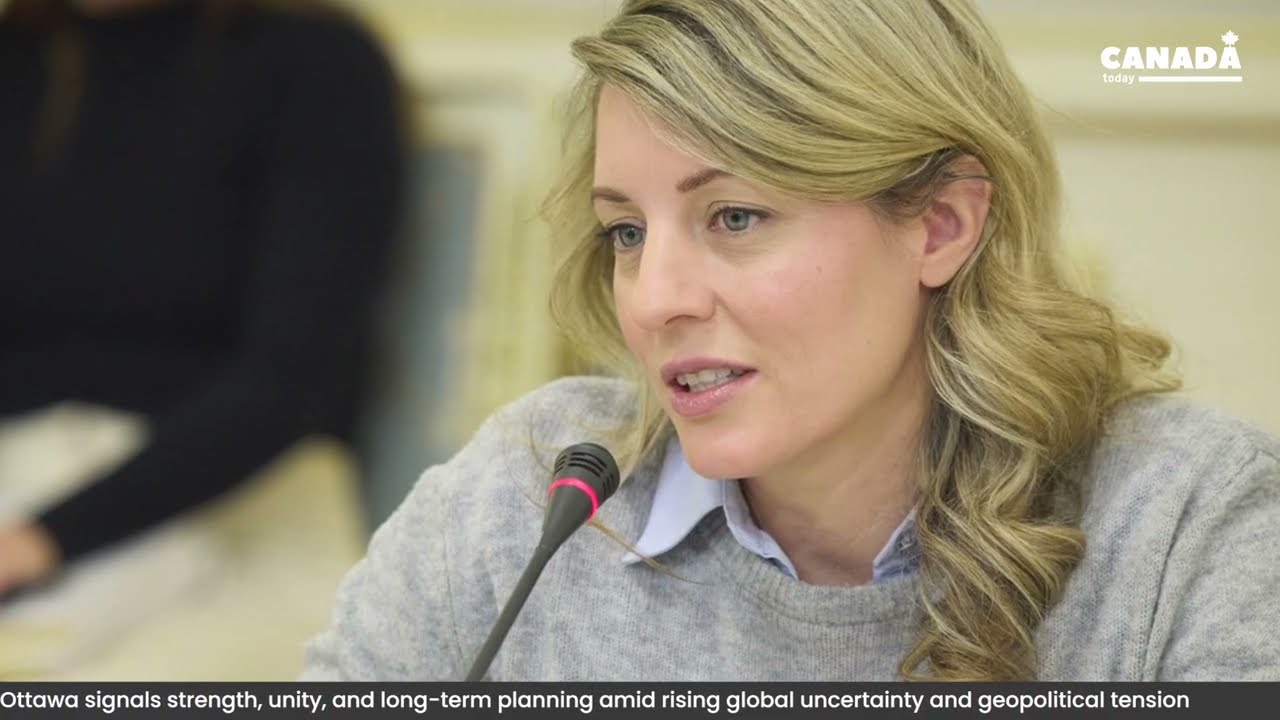
In the United States, the issue is closely tied to domestic debates over water scarcity, infrastructure investment, and climate resilience. Western states facing long-term drought cycles are exploring multiple solutions, including conservation, desalination, recycling technology, and interstate water management reforms. Industry leaders warn that water availability is increasingly linked to food production stability, semiconductor manufacturing capacity, and long-term economic competitiveness.
As global climate pressures intensify, water is rapidly becoming one of the most strategic geopolitical resources of the 21st century. The current Canada–U.S. dispute highlights how environmental challenges can quickly evolve into diplomatic and economic tensions. While both nations remain deeply interconnected through trade and security alliances, this latest standoff underscores a growing reality: control over freshwater resources may shape the next era of North American relations.