CANADA’S STRATEGIC ARCTIC MOVE SHAKES WASHINGTON AND PUTS A $900 BILLION ROUTE OUT OF U.S. REACH
Canada has executed its boldest Arctic strategy in modern history, and the consequences are rippling straight through Washington. With a $7 billion investment in heavy icebreakers, ports, and northern infrastructure, Prime Minister Mark Carney sent a blunt message: Canadian sovereignty in the Arctic will no longer exist only on paper. For decades, the United States treated the Northwest Passage as an international waterway in practice, regardless of Canada’s legal claims. That era is now ending, and the shift threatens to sideline the U.S. from a commercial corridor valued at up to $900 billion.
The Northwest Passage is not a single shipping lane but a vast network of Arctic waterways running through Canada’s archipelago. Climate change has transformed what was once an ice-locked fantasy into a viable global trade route. As ice retreats, ships traveling between Asia and Europe or North America can cut thousands of kilometers off traditional routes like the Panama Canal. By mid-century, even modest traffic through the passage could represent hundreds of billions of dollars in trade annually, turning Canada’s Arctic from a remote frontier into a central artery of global commerce.
For years, Canada lacked the capacity to enforce its sovereignty claims. American vessels transited the region without permission, backed by Washington’s insistence that the route was an international strait. Russia and China followed closely, treating Canada’s objections as symbolic. What changed was political pressure. Donald Trump’s tariffs, threats, and rhetoric about Canada’s economic subordination pushed Ottawa to rethink its strategic posture. Instead of yielding, Carney looked north and accelerated investments Canada had postponed for generations.
At the core of the strategy are new polar-class icebreakers capable of year-round operations, expanded Arctic ports led by the Churchill project, upgraded rail and airport infrastructure, and a permanent military and coast guard presence. This physical control changes everything. Sovereignty in international law is reinforced by effective administration, and Canada is rapidly acquiring the ability to monitor, regulate, and service all vessels using the passage. Ships will need Canadian pilots, comply with Canadian environmental rules, and rely on Canadian ports—giving Ottawa real leverage regardless of Washington’s legal arguments.
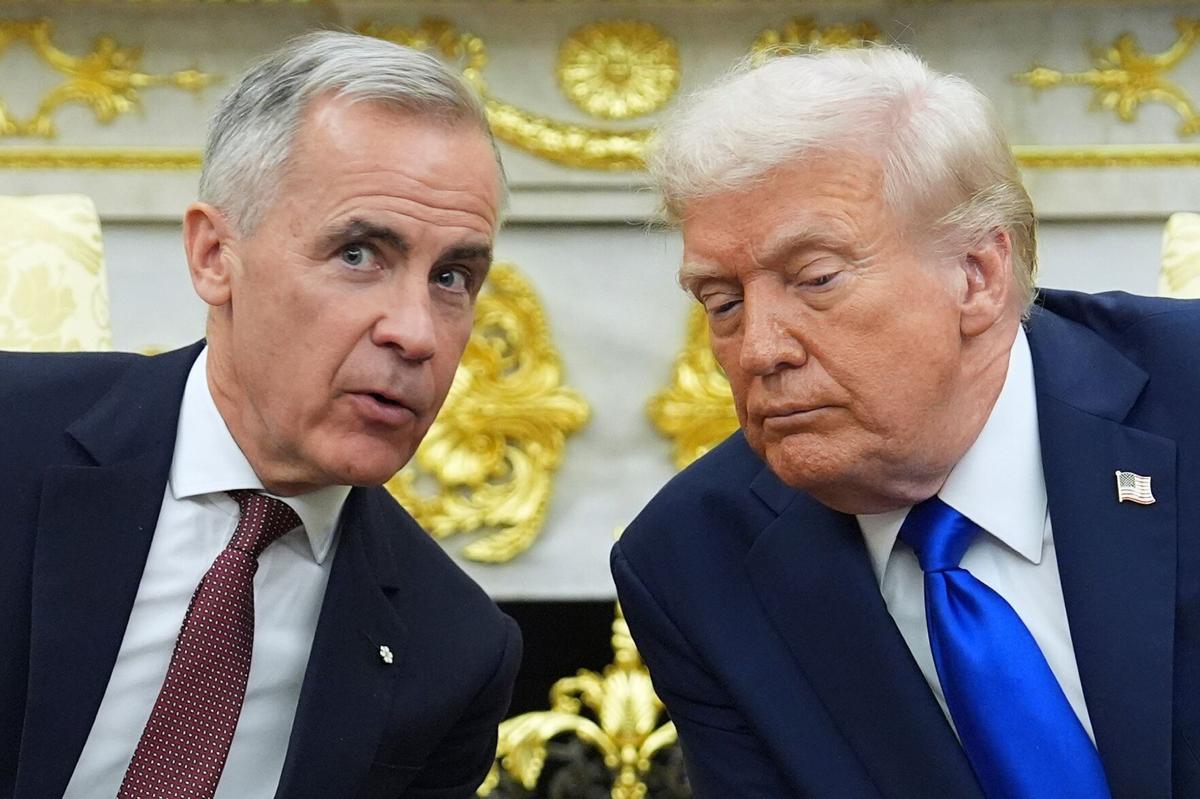
The move creates a strategic dilemma for the United States. If Washington continues to argue that the Northwest Passage is international, it strengthens the same claim for China and Russia, potentially allowing rival powers unrestricted access to waters critical to North American security. Quietly, some U.S. strategists recognize the risk: supporting Canadian sovereignty could actually enhance continental defense. But politically, reversing a 70-year position would mean admitting a long-standing miscalculation—something the Trump camp has shown little appetite for.
In the end, Trump’s pressure campaign produced the opposite of its intended effect. Instead of compliance, it triggered the largest Arctic infrastructure push in Canadian history and accelerated Canada’s emergence as a decisive Arctic power. Each new icebreaker and port further entrenches Canadian control and reduces U.S. influence over a route set to reshape global trade. The Arctic is opening, and Canada is ready. Washington, by contrast, is watching a $900 billion opportunity slip further out of reach.