Democrats Press Court to Unseal Jack Smith’s Final Report on Trump, Setting Up High-Stakes Transparency Fight
WASHINGTON — Former special counsel Jack Smith testified behind closed doors this week before a House Republican-led committee investigating his prosecution of Donald Trump, rejecting claims that his work was politically motivated and underscoring that the charges he brought were rooted in Mr. Trump’s own conduct.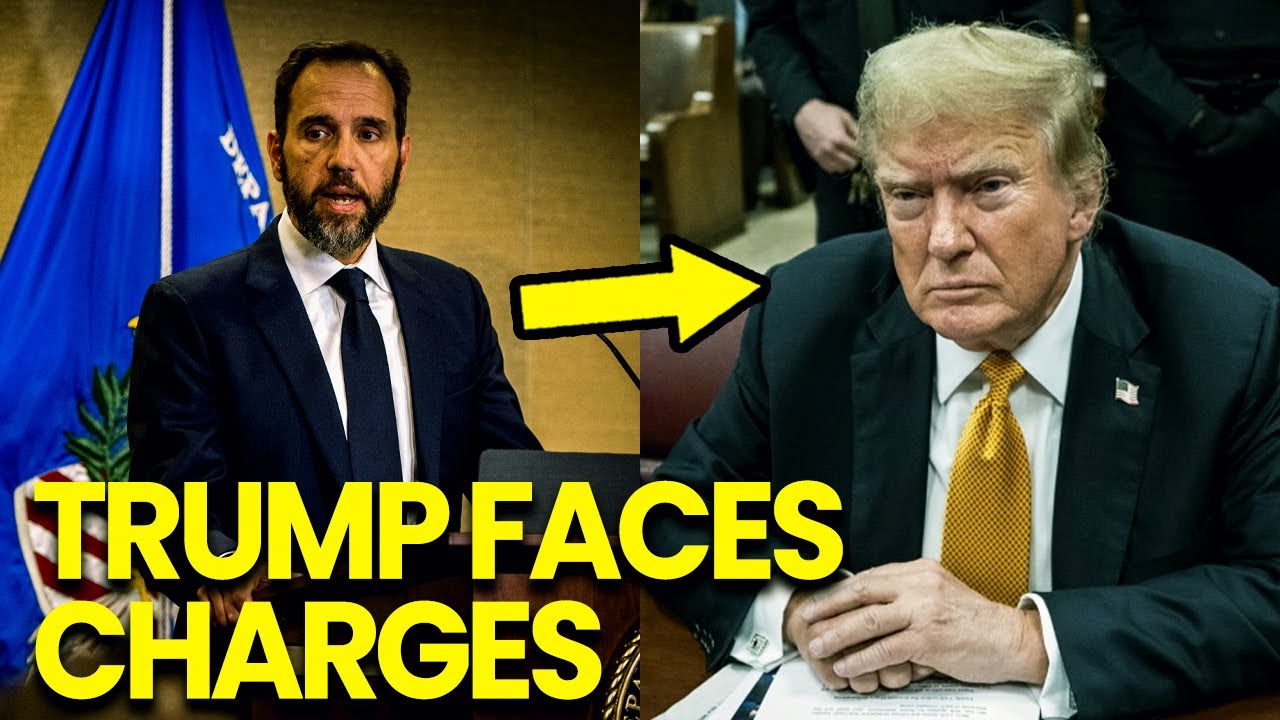
But even as Mr. Smith answered lawmakers’ questions — notably without invoking the Fifth Amendment — a separate and potentially more consequential battle unfolded in federal court. House Democrats have formally urged Eileen Cannon to release Mr. Smith’s sealed final report from the classified documents investigation, arguing that the public has a right to see the evidence prosecutors assembled against a sitting president.
The push, made through an amicus brief filed on December 12, places Judge Cannon at the center of a fraught dispute over transparency, executive power and democratic accountability. The U.S. Court of Appeals for the 11th Circuit has directed her to rule by January 2, 2026, setting a tight deadline for a decision that could reverberate through American politics.
According to people familiar with the matter, Mr. Smith completed a comprehensive report in January 2025 after concluding investigations into Mr. Trump’s handling of classified documents and alleged efforts to obstruct the inquiry. While the criminal cases were later dismissed following Mr. Trump’s return to office — reflecting the Justice Department’s longstanding policy against prosecuting a sitting president — the report itself remains sealed.
Democrats say it should not.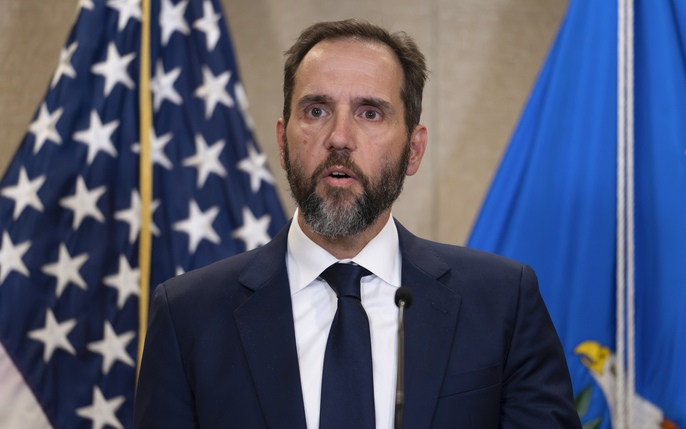
“The American people deserve transparency about what prosecutors found,” the lawmakers wrote, contending that voters should be able to review the evidence that justified bringing charges in the first place. They argue that shielding the report would allow a president to suppress damaging information simply by virtue of holding office, a precedent they say would erode democratic norms.
Mr. Trump’s legal team has taken the opposite view, urging the court to keep the report under seal. In filings, they argue that releasing the document would violate executive privilege, undermine the presidency and expose sensitive material that could be misused for political ends. Mr. Trump himself intervened in the case earlier this month to block disclosure.
At issue is what the report contains. While it has not been made public, Democrats and several news organizations say it documents evidence of willful retention of classified materials, obstruction of justice and alleged witness intimidation — including Mr. Trump’s own social media posts warning that those who “go after” him would face consequences. Prosecutors reportedly viewed those statements as attempts to intimidate investigators.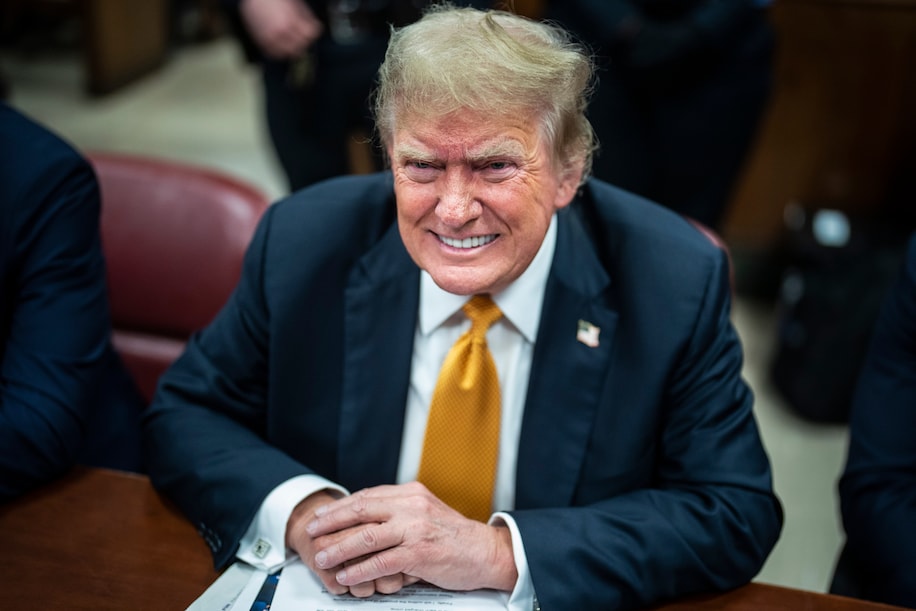
Mr. Smith, a veteran federal prosecutor whose reputation for independence has been widely noted, addressed the political accusations directly in his opening statement to lawmakers, portions of which were obtained by CNN. “The basis for those charges rests entirely with President Trump and his actions,” he said, rejecting Republican claims that he acted at the behest of the Biden administration.
The timing of the disclosure fight adds to its political weight. A public release of the report could shape the narrative ahead of the 2026 midterm elections, providing Democrats with detailed findings to cite and potentially fueling calls for congressional action. Keeping it sealed would spare Mr. Trump from renewed scrutiny but could strengthen presidential authority to withhold investigative records.
Judge Cannon, appointed by Mr. Trump and previously criticized for rulings favorable to him, now faces a decision with no easy outcome. Legal experts say she must balance separation-of-powers concerns against the public’s interest in transparency — a tension that strikes at the heart of the constitutional system.
Whatever she decides, the consequences are likely to extend well beyond this case. If the report is released, it could become one of the most detailed public accounts ever produced of alleged presidential misconduct. If it remains sealed, it may redefine how much information future presidents can keep from voters.
Either way, the ruling due in early January promises to mark a defining moment in the ongoing struggle between executive power and public accountability.