Sweden’s unexpected offer to supply Canada with up to 88 Gripen fighter jets has sent shockwaves through global defense and political circles. On the surface, it appears to be a routine military procurement proposal. But beneath it lies a far deeper Arctic-driven strategy that could fundamentally reshape Canada’s defense posture and its relationship with the United States. This is not just about aircraft — it is about who controls the skies of the rapidly changing Arctic.
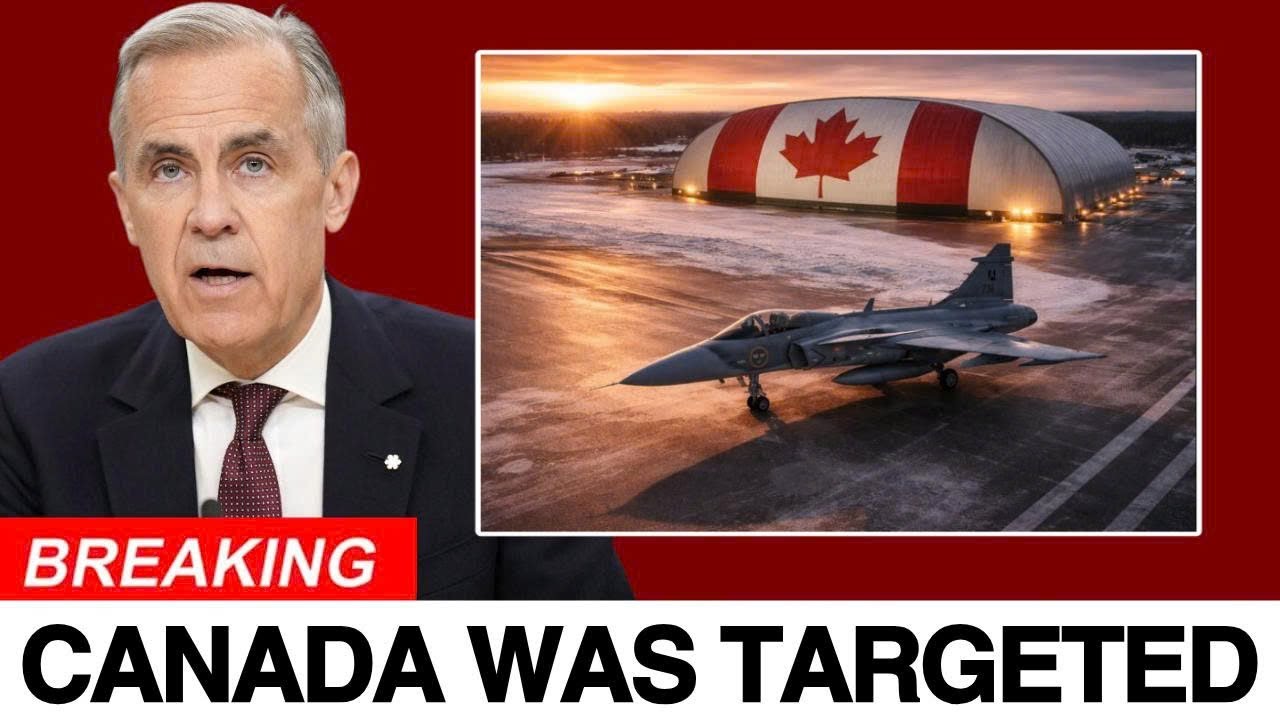
As Arctic ice melts at record speed, the region is transforming from a frozen buffer into a strategic battleground. New shipping lanes, untapped energy reserves, and critical minerals are drawing unprecedented attention from global powers. Russia has expanded its Arctic military infrastructure, China has declared itself a “near-Arctic state,” and the United States is reinforcing its northern defense lines. In this context, Sweden’s Gripen offer emerges as a calculated response to a looming security vacuum.
Unlike the American F-35 program, Sweden’s Gripen proposal emphasizes Arctic adaptability and technological sovereignty. Designed to operate from short runways, remote bases, and extreme cold, the Gripen E is tailored for exactly the kind of dispersed, high-endurance missions Arctic defense demands. Saab’s willingness to assemble the aircraft in Canada and provide access to source code signals something far more strategic than a sales pitch — it is an invitation to rebuild Canada’s domestic defense-industrial capacity.
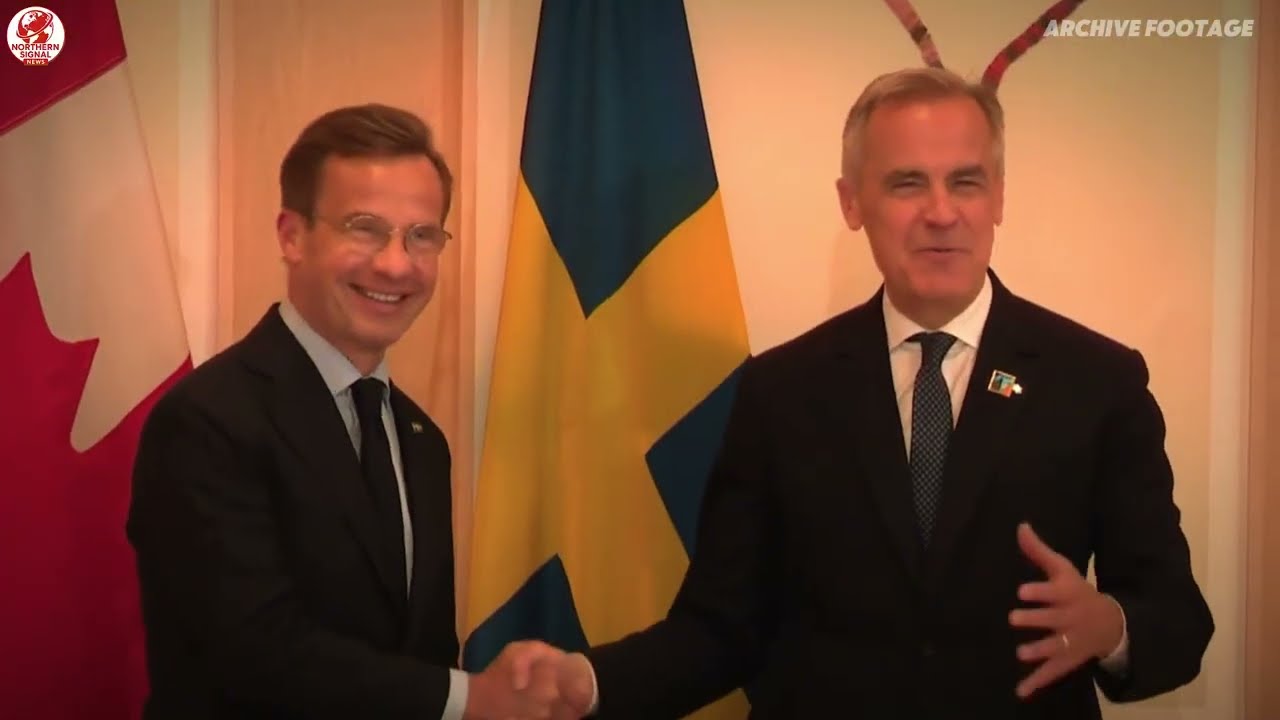
For Sweden, the timing is no coincidence. Having recently joined NATO after centuries of neutrality, Stockholm is seeking reliable partners that can strengthen Europe’s northern defense architecture. Canada, with the world’s longest Arctic coastline, represents a natural ally. By anchoring Gripen production and sustainment in Canada, Sweden helps create a transatlantic Arctic defense network less dependent on U.S. defense contractors and political leverage.
This is precisely where the controversy begins. Washington has made it clear that it expects close allies to prioritize American-made systems, especially in defense sectors tied to NORAD and NATO interoperability. Accepting Sweden’s offer would not break Canada’s alliance with the U.S., but it would challenge decades of technological dependence. The Gripen deal forces Ottawa to confront a difficult question: security through alignment, or security through autonomy?
Ultimately, Sweden’s Gripen offer reveals a truth many have overlooked — the Arctic is no longer a future concern, it is a present reality. Canada’s decision will shape not only its air force, but its strategic identity in the 21st century. Whether Ottawa stays the course with the F-35 or pivots toward a European-backed Arctic strategy, one thing is clear: the battle for the North has already begun, and Sweden just made its move.