A sudden geopolitical jolt has sent shockwaves through the global oil market after President Donald Trump announced a sweeping move to cut off Venezuelan oil shipments to Cuba and assert U.S. control over Venezuela’s petroleum flows. The decision triggered immediate blackouts and economic stress in Cuba, but it also unleashed an unexpected chain reaction across world energy markets — one that is rapidly turning Canada into a key winner.
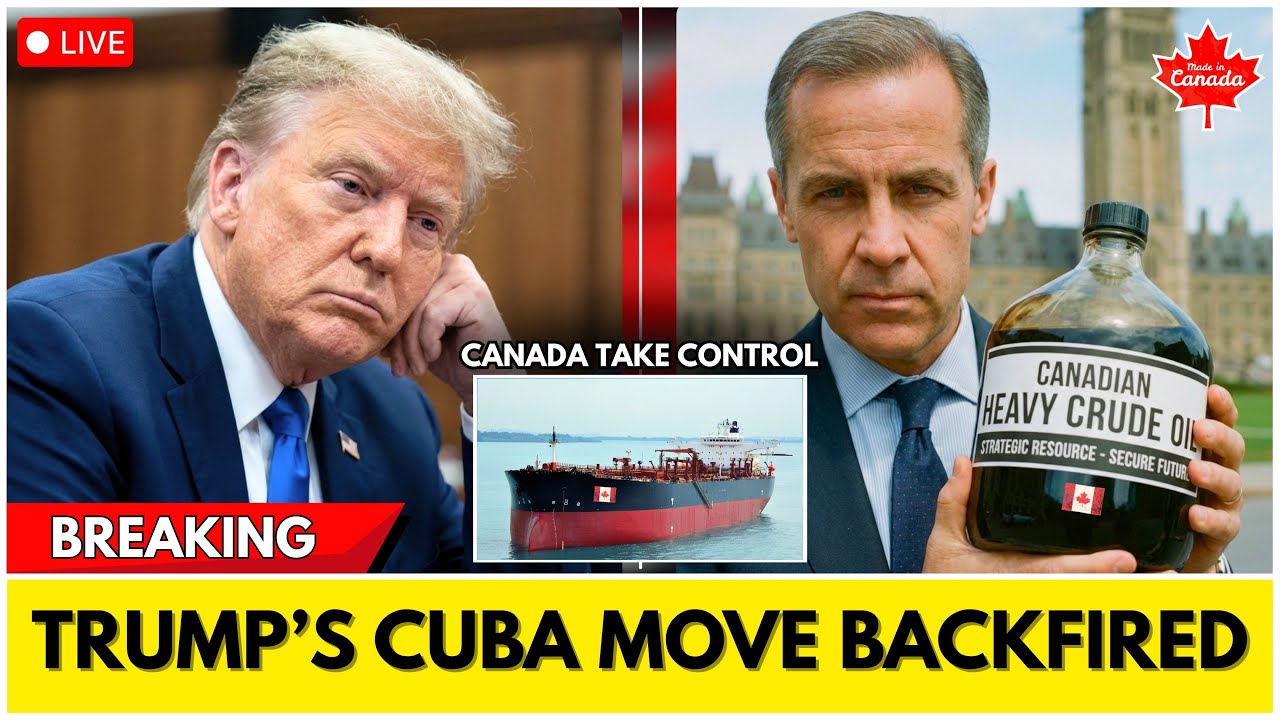
According to Valora Analytic’s January 11, 2026 assessment, Trump’s Venezuela operation has effectively sidelined one of the world’s largest heavy crude suppliers just as Asian demand is surging. Venezuelan infrastructure, long crippled by underinvestment, corruption, and sanctions, is in no position to rebound quickly, leaving China and India scrambling to replace millions of barrels of heavy oil that once fed their specialized refineries.
This is where Canadian heavy crude steps into the spotlight. Canada’s oil sands produce the same thick, sulfur-rich crude that Venezuelan refineries and Asian buyers depend on, and — crucially — Canada now has the infrastructure to deliver it. With the Trans Mountain pipeline expansion fully operational, Canadian producers can ship hundreds of thousands of barrels per day directly from the Pacific coast to China, India, Japan, and South Korea, bypassing U.S. bottlenecks entirely.
Market signals suggest the shift is already underway. China, which once imported the majority of Venezuela’s heavy crude, and India, which halted Venezuelan purchases in 2025, are both in active talks with Canadian energy firms for long-term supply contracts. These are not short-term spot deals but strategic partnerships designed to lock in stable, reliable heavy oil for years — a move that could permanently reshape Asia’s energy map.

Prime Minister Mark Carney has wasted no time seizing the moment. In early international addresses following Trump’s announcement, Carney emphasized Canada’s competitive energy position and the need to diversify away from overreliance on the U.S. Alberta’s leadership and Canada’s petroleum industry are echoing that message, pushing for faster pipeline development in all directions to ensure Canadian oil can reach whichever market offers the best price and stability.
The irony is striking: a U.S. operation meant to consolidate American control over Western Hemisphere energy is accelerating Canada’s rise as a global energy power. With Venezuela sidelined for years by decaying infrastructure and massive rebuilding costs, Canada now has a rare multi-year window to become Asia’s primary heavy crude supplier. If these new trade routes solidify, Trump’s bold move may be remembered not for tightening America’s grip on oil — but for opening the door to Canada’s energy independence on the world stage.