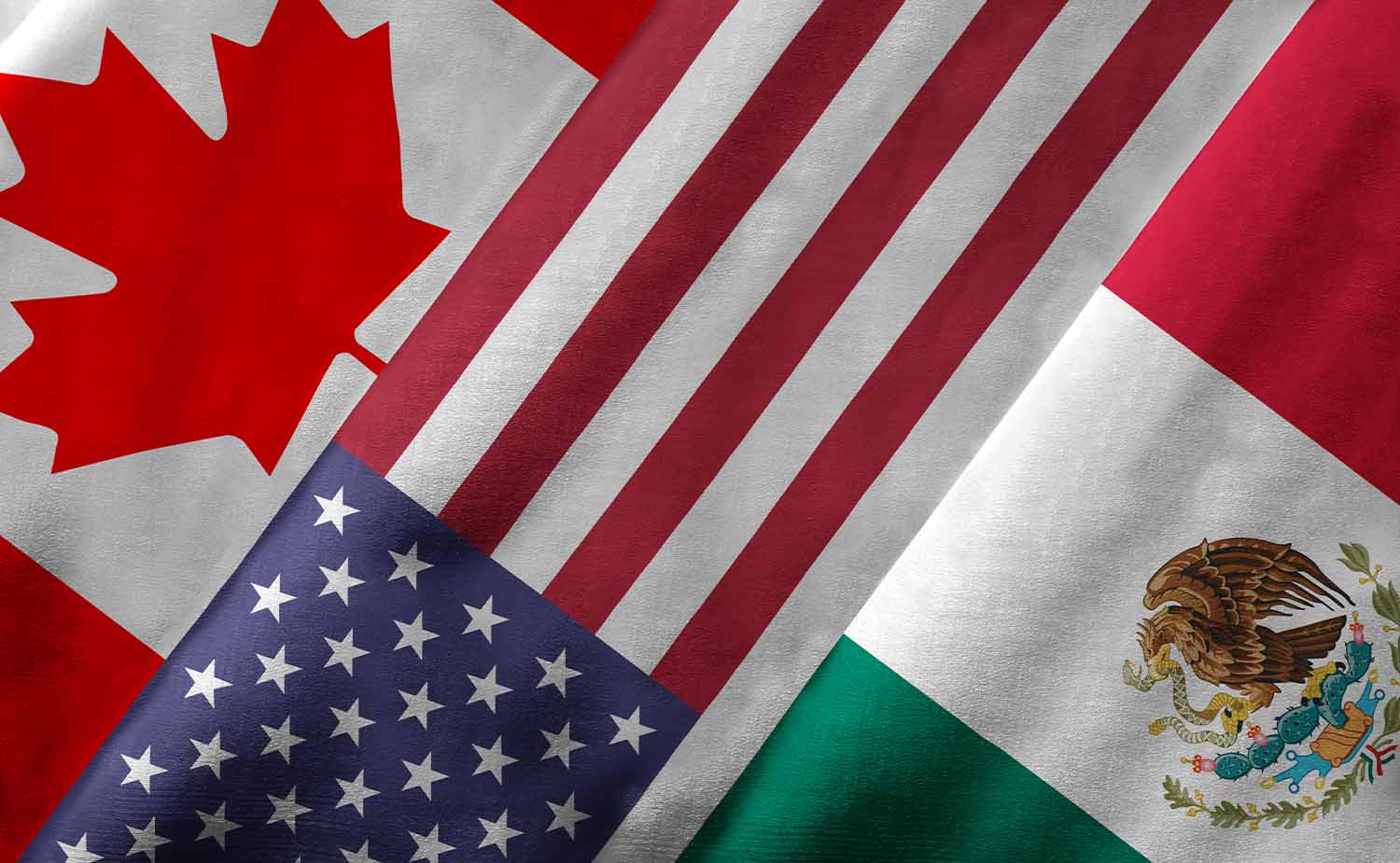
Washington — What U.S. officials described as a routine update in the administration of the Canada–United States–Mexico Agreement, known as CUSMA, has instead exposed a deeper tension over leverage, compliance and control in North American trade.
At the center of the episode is a set of U.S. concerns — framed as “fixes” — raised in recent discussions with Ottawa. Publicly, American officials presented the list as technical and forward-looking, touching on long-running disputes over dairy market access, digital and streaming regulations, and elements of industrial policy. Privately, however, the reaction has been more complicated.
Rather than landing as a show of strength, the demands have been read by some analysts as an acknowledgment of where Canadian policy has proven resilient. In that interpretation, the document functioned less as an ultimatum than as a map of pressure points — areas where U.S. negotiators continue to feel constrained by Canada’s domestic rules.
“This didn’t look like a threat,” said a former trade negotiator familiar with CUSMA implementation. “It looked like a list of frustrations.”
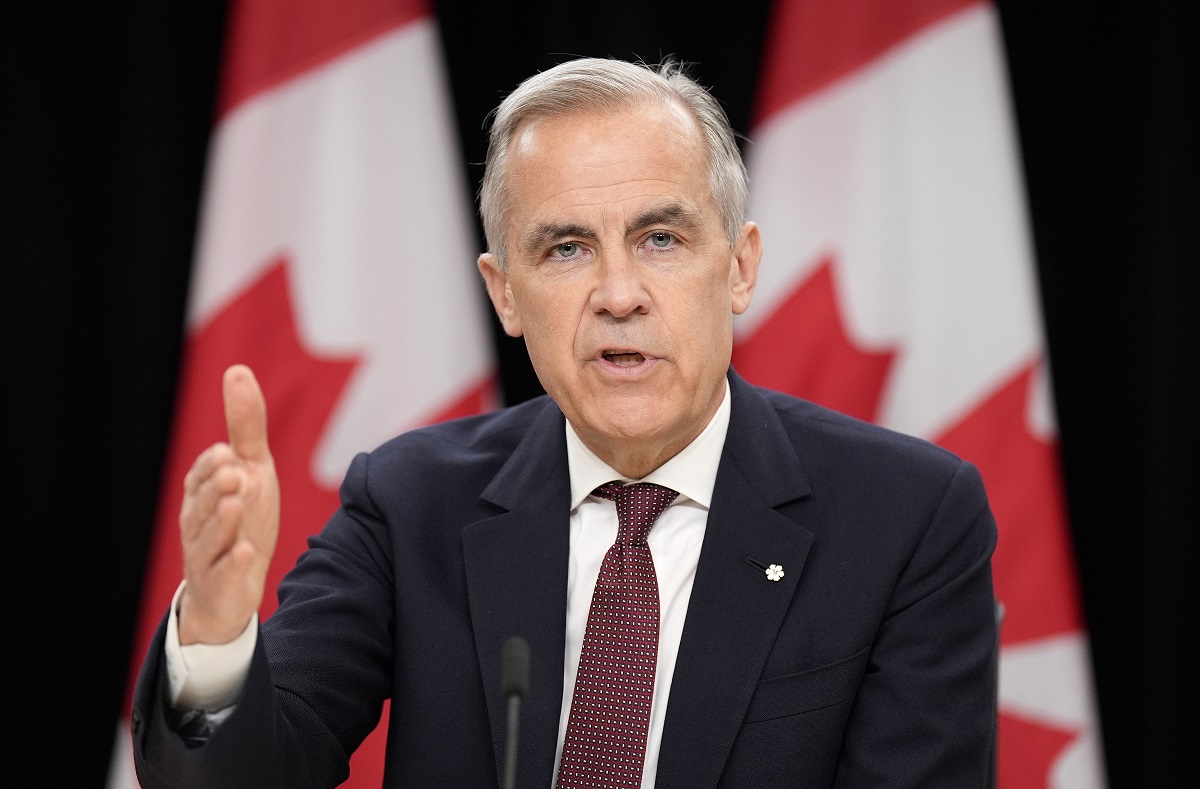
Canada’s response has been notable for its restraint. Ottawa has not rushed to issue a detailed rebuttal or counterproposal, instead emphasizing that existing mechanisms under CUSMA are functioning as intended and that disputes should proceed through established panels and consultations. Officials have reiterated that Canada is meeting its obligations and that disagreements are part of normal trade governance.
That posture reflects a broader confidence in the agreement’s dispute-resolution framework. Since CUSMA replaced NAFTA, Canada has prevailed in several high-profile panel decisions, reinforcing the perception that the rules — once seen as favoring U.S. leverage — can constrain Washington as well.
“The balance has changed,” said a Canadian trade scholar. “The United States still has enormous economic power, but it is operating inside a rules-based box it helped design.”
The reaction in Washington has been mixed. Industry groups affected by Canadian policies have urged the administration to press harder, warning that patience risks entrenching barriers. Others, including some lawmakers, have acknowledged that the optics of the moment were not ideal.
“When you issue a list like that and nothing happens immediately, it raises questions,” said a congressional aide involved in trade oversight. “Not about the merits, but about leverage.”
Markets responded cautiously. There was no immediate disruption to cross-border trade, but analysts noted increased sensitivity among sectors already exposed to regulatory divergence, including agriculture and digital services. Lobbyists on both sides of the border intensified outreach, seeking clarity on timelines and next steps.
The episode also highlights a strategic difference in approach. U.S. trade policy in recent years has leaned toward pressure and speed, often emphasizing enforcement and public signaling. Canada, by contrast, has increasingly favored delay and process, betting that economic interdependence and institutional rules will do more work than rhetoric.
“Silence can be a strategy,” said a former Canadian diplomat. “When you know the other side needs the system to function, waiting is not weakness.”

That interdependence is real. The United States remains Canada’s largest trading partner by far, but Canada is also the top export destination for most U.S. states. Disruptions tend to cut both ways, making escalation costly.
Still, unresolved disputes remain. U.S. officials insist that certain Canadian measures, particularly in dairy and digital regulation, undermine market access promised under CUSMA. Canada counters that its policies reflect domestic priorities and fall within the agreement’s flexibilities.
The question is less whether a showdown will occur than how it will unfold. CUSMA provides clear pathways: consultations, panels, and, if necessary, authorized retaliation. What it does not provide is quick political satisfaction — a feature that can frustrate officials accustomed to more direct leverage.
For now, Ottawa appears content to let the process run its course. U.S. officials, meanwhile, face the challenge of demonstrating resolve without overplaying their hand. The result is a standoff defined not by tariffs or threats, but by timing and perception.
“This is a different kind of trade conflict,” said an economist who studies North American integration. “It’s not loud. It’s procedural. And that’s why it’s easy to misread.”
Whether the moment marks a lasting shift in the balance of power remains uncertain. Trade relationships evolve slowly, shaped by rulings, compliance and economic reality more than by single documents. But the reaction to the latest CUSMA exchange suggests that assumptions on both sides are being reassessed.
For Washington, the episode is a reminder that rules-based systems constrain even the strongest actors. For Canada, it reinforces the value of patience and preparation. And for North America as a whole, it underscores how power can shift quietly — not through confrontation, but through the steady accumulation of precedent.
As consultations continue, the next move may come not in a press release, but in a panel decision or a delayed response. In trade policy, as in diplomacy, the most consequential moments are often the least dramatic — and the hardest to reverse.