Democrats Condemn Trump’s Venezuela Invasion as Unlawful, Warn of Global Consequences

Washington — President Donald Trump’s decision to launch a military invasion of Venezuela, followed by a press conference declaring that the United States would “run the country” and take control of its oil reserves, has triggered a fierce backlash across Congress, with Democratic leaders and several independents denouncing the move as unconstitutional, destabilizing, and dangerously reminiscent of past American military overreach.
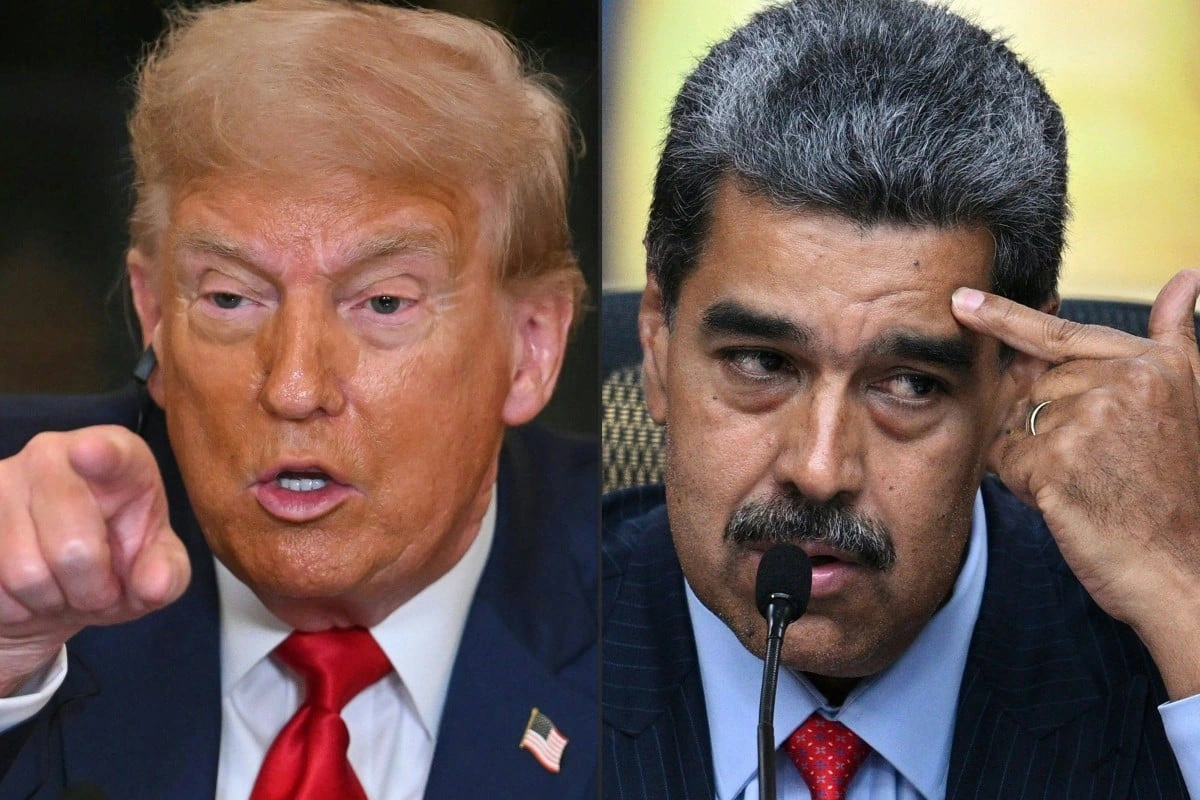
Speaking from Mar-a-Lago, Mr. Trump said the invasion was intended to seize Venezuela’s vast oil resources and place them under U.S. control for American energy companies. He framed the operation as a decisive act against Nicolás Maduro, the country’s authoritarian leader, while asserting that the United States would govern Venezuela’s 28 million people until what he described as a “proper transition” could be arranged.
The president’s remarks immediately intensified concerns on Capitol Hill that the administration had bypassed Congress entirely in ordering a major foreign military action, violating the War Powers Resolution and decades of constitutional precedent.
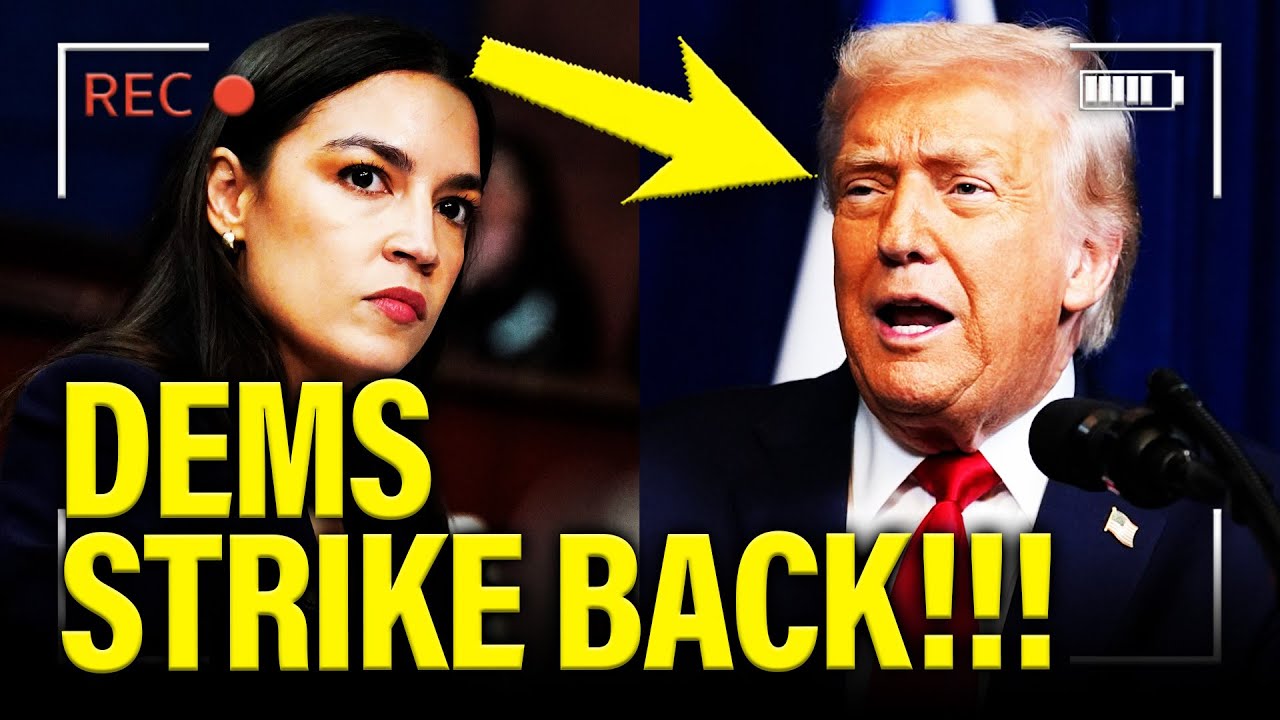
“This is not about drugs or security,” Representative Alexandria Ocasio-Cortez of New York wrote on social media shortly after the press conference. “If it were, Trump wouldn’t have pardoned one of the largest narco-traffickers in the world last month. This is about oil and regime change, and they need a war to pretend it isn’t.”
Mr. Trump’s comments also drew criticism for their blunt acknowledgment of resource seizure, a justification rarely stated so explicitly by modern American presidents. Several lawmakers warned that such language risks dismantling international norms that restrain military aggression.
Congressional Authority at the Center of the Dispute

Senator Ruben Gallego of Arizona, a Marine Corps combat veteran, announced that he would introduce a War Powers Resolution to force a vote on the legality of the operation.
“Only Congress has the authority to take this country to war,” Mr. Gallego said in a statement. “The president is now openly saying we are occupying Venezuela to seize its oil. That is illegal, unconstitutional, and profoundly dangerous.”
Mr. Gallego’s remarks followed reports that the administration had not provided Congress with a classified briefing outlining the scope, objectives, or timeline of the invasion. Senior lawmakers on intelligence and foreign relations committees said they learned critical details from Mr. Trump’s own public statements rather than formal notifications.
Senator Chris Murphy of Connecticut described the invasion as “a war America didn’t ask for and doesn’t need.”
“How does invading South America make Americans safer?” Mr. Murphy asked. “Venezuela produces no fentanyl. There was no imminent threat. There was no briefing. There was no authorization.”
A Stark Break From Post-Iraq Consensus
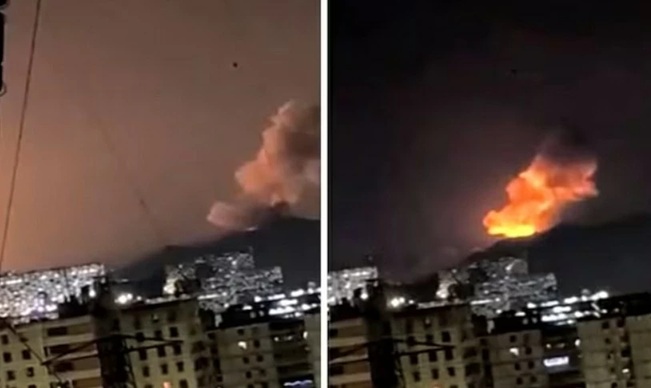
Several lawmakers explicitly compared the Venezuela operation to the 2003 invasion of Iraq, arguing that the lessons of prolonged occupation, instability, and unintended consequences were being ignored.
Senator Mark Kelly of Arizona, a former Navy combat pilot and astronaut, warned that overthrowing a foreign government does not guarantee democratic outcomes.
“If we learned anything from Iraq, it’s that toppling a dictator doesn’t automatically bring stability,” Mr. Kelly said. “More often it leads to chaos, long-term occupation, and blowback that lasts for decades.”
While acknowledging Mr. Maduro’s authoritarian rule and disputed elections, Mr. Kelly emphasized that illegitimacy alone does not grant the president unilateral war-making authority.
Fears of a Global Precedent
Beyond constitutional concerns, lawmakers expressed alarm over the broader international implications of the invasion. Senator Mark Warner of Virginia, the top Democrat on the Senate Intelligence Committee, warned that the administration’s logic could be weaponized by authoritarian regimes worldwide.
“If the United States claims the right to invade another country to arrest leaders it accuses of crimes, what stops China from asserting the same authority over Taiwan?” Mr. Warner said. “What stops Russia from claiming justification to abduct Ukraine’s president?”
Mr. Warner argued that once such a line is crossed, the rules that constrain global chaos begin to erode — often to the benefit of authoritarian governments.
Senator Bernie Sanders of Vermont echoed those concerns, calling the invasion “rank imperialism” and “a return to the darkest chapters of U.S. intervention in Latin America.”
“The United States does not have the right to run Venezuela,” Mr. Sanders said. “Trump is failing to govern at home and now wants to rule abroad.”
Internal Fractures Within Trump’s Coalition
Notably, criticism also emerged from within the president’s own political orbit. Representative Marjorie Taylor Greene of Georgia, a staunch Trump ally, posted online that the invasion contradicted what many supporters believed they were voting for.
“This is what many in MAGA thought we voted to end,” she wrote. “Boy, were we wrong.”
Her comments highlighted a growing tension between Mr. Trump’s “America First” rhetoric and an aggressive foreign policy that critics say resembles the interventionist approach he once condemned.
Oil, Pardons, and Perceived Hypocrisy
Democrats also seized on what they described as glaring inconsistencies in the administration’s justification for the invasion. While allies of the president argued that Mr. Maduro’s U.S. indictments on drug-related charges warranted action, lawmakers noted that Mr. Trump recently pardoned Juan Orlando Hernández, the former president of Honduras, who was convicted in a U.S. court on major drug trafficking charges.
“You can’t argue that indictments justify invasion in one case and issue a pardon in another,” Senator Murphy said. “That’s not law enforcement. That’s hypocrisy.”
What Comes Next
As of now, the administration has not released a detailed plan outlining the duration of the occupation, the role of U.S. forces, or the process by which Venezuelan sovereignty would be restored. Pentagon officials have offered limited public comment, and the White House has declined to say whether it will comply with congressional demands for authorization.
Meanwhile, lawmakers are moving quickly to reassert Congress’s role. War Powers resolutions are expected to be introduced in both chambers, setting up a high-stakes confrontation over the limits of presidential authority.
Whether those efforts succeed remains uncertain. But the political fallout is already clear: an invasion justified by oil and regime change has reopened long-standing debates about American power, constitutional restraint, and the cost of military adventurism.
As Senator Warner put it, “America’s strength does not come from acting like an empire. It comes from the rule of law. When we abandon that, we don’t just endanger others — we endanger ourselves.”