Ottawa — For decades, the Avro Arrow existed in Canadian memory as a symbol of unrealized ambition: a supersonic interceptor canceled in 1959, its prototypes destroyed, its engineers scattered. To some, it represented a lost moment of technological independence; to others, a cautionary tale about costs and alliances.
Now, echoes of that debate are resurfacing.
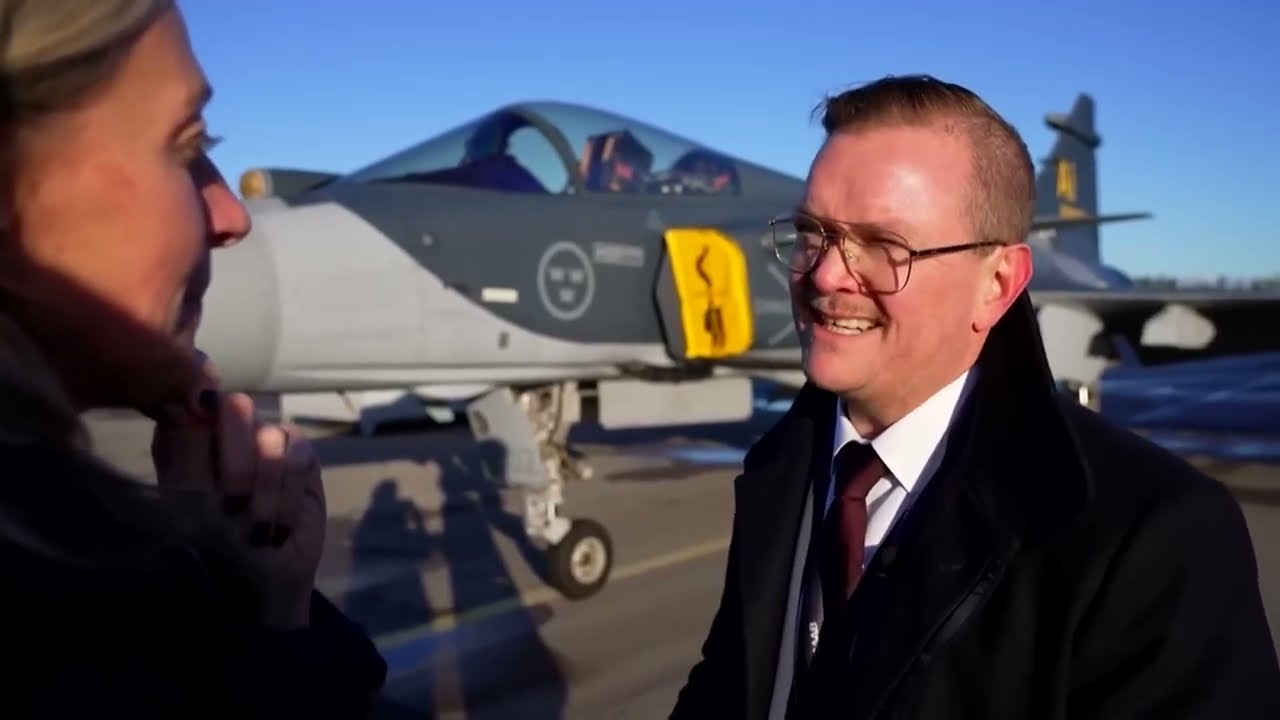
Recent signals from Ottawa suggest that Canada is giving renewed consideration to alternatives in its long-running fighter-jet deliberations, including a deeper partnership around Sweden’s Saab Gripen. While officials have not announced a reversal of course, the discussion itself has unsettled assumptions in Washington and among NATO planners who long treated Canada’s eventual alignment with U.S. platforms as inevitable.

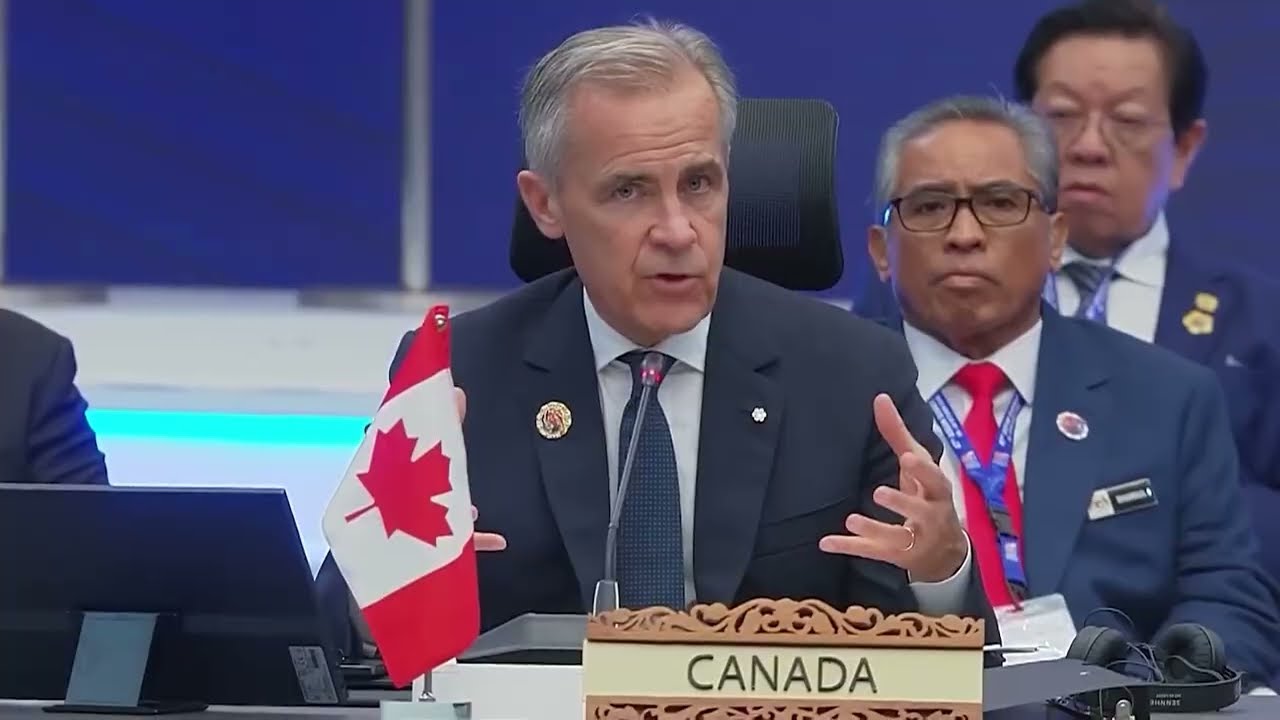
The renewed attention is tied closely to the priorities of Prime Minister Mark Carney, who has emphasized economic resilience, domestic capacity and strategic autonomy since taking office. In that framing, defense procurement is not only about aircraft performance, but about industrial policy, supply chains and long-term control over critical systems.
The Gripen is often discussed in that context. Unlike some larger platforms, it is marketed with extensive technology transfer, local assembly options and a degree of software sovereignty that allows operators to modify and maintain systems without foreign approval. Supporters argue that such features align with Canada’s desire to keep expertise at home and reduce exposure to external political pressure.
Critics, however, warn that symbolism can obscure trade-offs. The Arrow was canceled not only because of politics, but because of escalating costs and shifting strategic needs. Modern air combat, they note, depends on interoperability, shared data networks and collective maintenance — areas where deviation from U.S.-centric systems can introduce friction.
Still, the timing of the renewed debate is notable. Canada faces increasing demands in the Arctic, where sovereignty patrols, harsh conditions and long distances shape requirements differently from those of many allies. Advocates of a Gripen partnership argue that the aircraft’s operating model, designed for dispersed basing and rapid turnaround, suits those conditions.
In Washington, the discussion has prompted quiet concern rather than public criticism. U.S. officials emphasize the importance of alliance cohesion and interoperability, while acknowledging that procurement choices remain national decisions. Privately, some defense analysts say the real issue is not a single aircraft, but the precedent such a move could set.
“If Canada asserts more control over its defense industrial base, it changes expectations,” said a former Pentagon official. “Not just for jets, but for how influence works within alliances.”
That influence has historically flowed from industrial dominance. The United States remains the central hub of NATO’s defense ecosystem, and participation in its platforms brings access — and constraints. Canada’s willingness to explore alternatives signals a desire to rebalance that relationship, even if only incrementally.
Ottawa has been careful not to frame the discussion as defiance. Officials stress that Canada remains committed to NATO and continental defense, and that any decision would meet alliance requirements. The emphasis, they say, is on choice and leverage, not nostalgia.
“The Arrow analogy resonates emotionally,” said a Canadian defense scholar. “But the policy question is contemporary: how much control does Canada want over systems it will rely on for decades?”
Public reaction has been swift. Online commentary has cast the moment as a revival of lost pride, while skeptics caution against romanticizing the past. The debate has also intersected with broader conversations about industrial policy, climate-aligned manufacturing and talent retention.
Behind the scenes, industry groups and labor organizations are closely watching. A procurement model centered on domestic assembly and long-term maintenance could sustain high-skilled jobs and stabilize costs. But it could also require upfront investment and careful management to avoid delays.
For allies, the uncertainty itself is the message. Even without a final decision, the willingness to revisit assumptions suggests a more assertive Canadian posture — one shaped by diversification rather than alignment alone.
“The balance doesn’t flip overnight,” said an economist who studies defense markets. “But it can tilt quietly.”
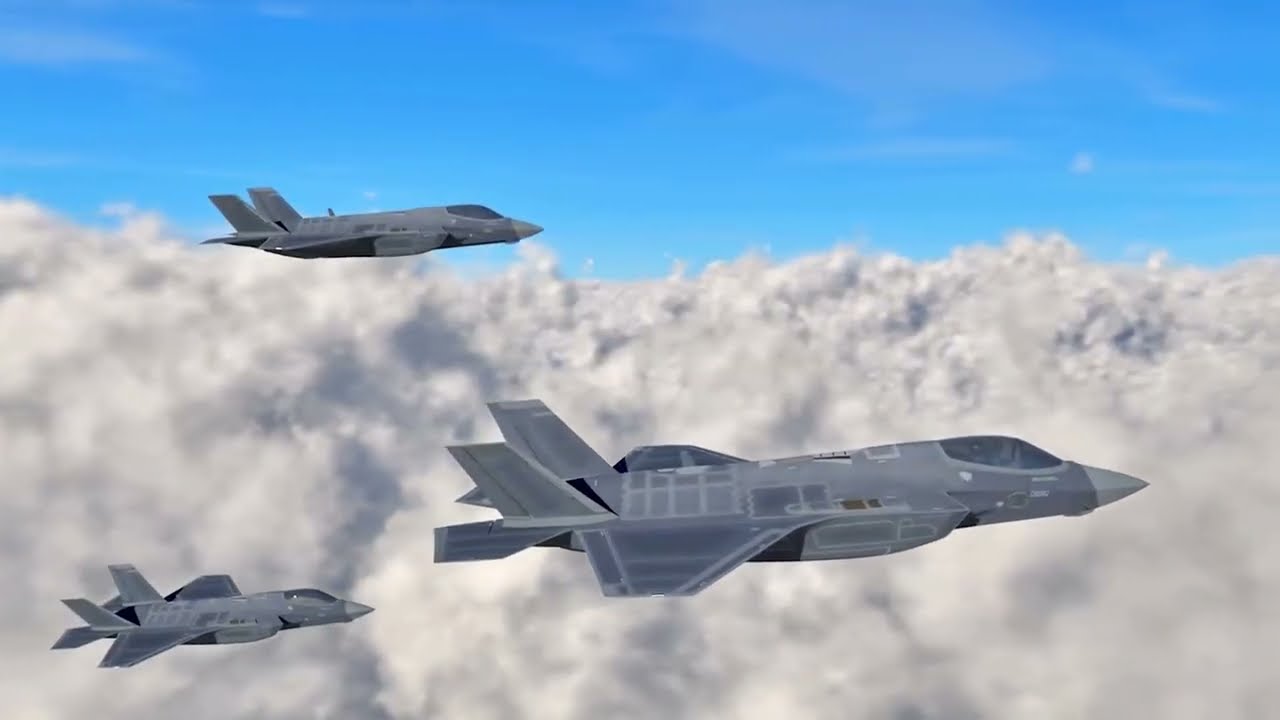
Whether Canada ultimately deepens a Gripen partnership or stays its current course, the episode has already reframed the conversation. Defense procurement, once treated as a technical inevitability, is being debated as a strategic choice with economic and political dimensions.
In that sense, the ghost of the Arrow is less about resurrecting a canceled aircraft than about revisiting a question left unresolved: how a middle power navigates alliances without surrendering agency.
The coming months will bring clarity, as reviews conclude and signals harden into policy. Until then, the discussion itself marks a shift — from assumption to deliberation.
And in a world where power often moves quietly, that may be the most consequential change of all.