NO MORE RUMORS: CBS Officially Ends The Late Show with Stephen Colbert—Jesse Watters’ Claims Spark Outrage
On July 17, 2025, CBS announced the cancellation of The Late Show with Stephen Colbert, ending a 33-year franchise and shocking the television world. The network, citing financial pressures, confirmed the show will air its final episode in May 2026, leaving fans devastated and sparking heated speculation about the true reasons behind the decision. Fox News host Jesse Watters fueled the fire, claiming on The Five that the move was tied to political motives, specifically CBS’s parent company Paramount Global’s efforts to appease President Donald Trump amid a controversial $16 million settlement. As fans mourn and conspiracy theories swirl, the end of Colbert’s show marks a pivotal moment for late-night television, raising questions about corporate influence, free speech, and the genre’s future.
Stephen Colbert broke the news during a taping at New York’s Ed Sullivan Theater, telling his audience he learned of the cancellation the previous night. “It’s not just the end of our show, but the end of The Late Show on CBS,” he said, drawing boos from the crowd. “I’m not being replaced. This is all just going away.” His emotional acknowledgment of his 200-person crew and gratitude to CBS, whom he called “great partners,” contrasted with the audience’s visceral reaction. Fans outside the theater, like 29-year-old Claire DeSantis, expressed disbelief, telling The New York Times, “I thought this was a legacy show.” Social media erupted, with Instagram comments from celebrities like Katie Couric (“I am so upset”) and Jon Batiste (“the greatest to ever do it”) reflecting the widespread grief. A Change.org petition to reverse the decision gained traction, while X posts with hashtags like #SaveColbert trended briefly.

CBS executives, including President George Cheeks, framed the cancellation as “purely a financial decision against a challenging backdrop in late night,” denying any connection to the show’s content or performance. The Late Show has been a ratings leader, averaging 2.417 million viewers in Q2 2025, per Nielsen data, and increasing viewership by 1% from Q1. However, reports from Puck’s Matthew Belloni indicate the show loses $40 million annually due to high production costs—exceeding $100 million per season—and a 50% drop in late-night ad revenue since 2018, from $439 million to $220 million. The network’s earlier cancellation of After Midnight, a lower-budget show hosted by Taylor Tomlinson, underscores the financial strain, as does the broader decline of late-night viewership in a streaming-dominated era.
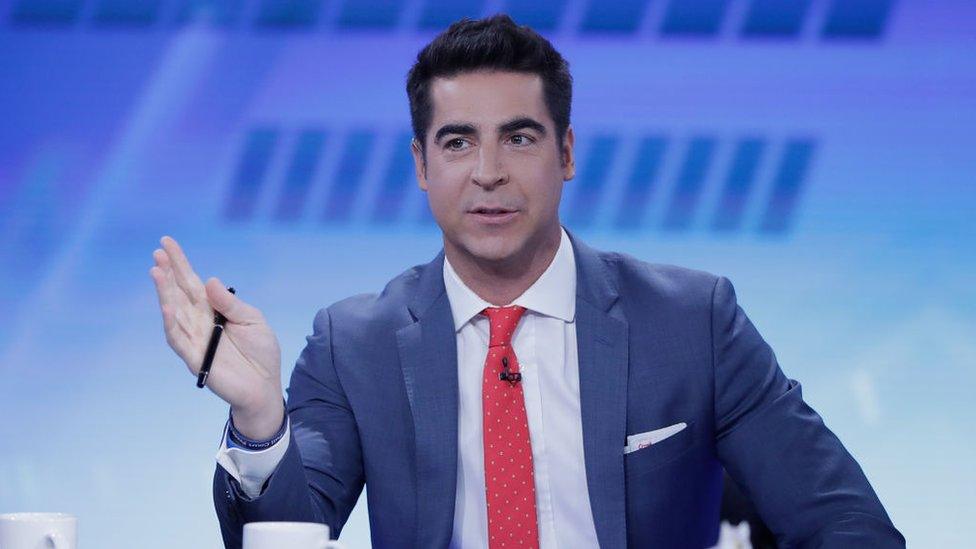
Jesse Watters, on The Five, challenged CBS’s narrative, suggesting the cancellation was politically motivated. “What you’re seeing is these pillars of the legacy media collapse,” he said, pointing to Paramount’s $16 million settlement with Trump over a 60 Minutes interview edit as evidence of corporate capitulation. Watters argued that Paramount, seeking FCC approval for an $8.4 billion merger with Skydance Media, axed Colbert’s show to placate Trump, a vocal critic of the host. “Colbert’s been hammering Trump for years, and now the network’s bending the knee,” Watters claimed, echoing sentiments from Senators Adam Schiff and Elizabeth Warren, who demanded transparency about potential political motives. Schiff, a guest on the July 17 episode, posted on X, “If Paramount and CBS ended The Late Show for political reasons, the public deserves to know.” Warren added, “America deserves to know if his show was canceled for political reasons.”
The timing of the cancellation, days after Colbert called the 60 Minutes settlement a “big fat bribe” on air, fueled suspicions. Paramount’s merger with Skydance, led by David Ellison, requires approval from Trump-appointed FCC chairman Brendan Carr, adding weight to claims of political pressure. Trump celebrated the news on Truth Social, writing, “I absolutely love that Colbert got fired,” and speculated about Jimmy Kimmel’s future. The Writers Guild of America called for an investigation into possible bribery, citing the settlement’s proximity to the cancellation. However, CBS and Paramount insist the decision was unrelated to content or politics, pointing to the show’s financial losses as the sole driver.
The cancellation signals a troubling trend for late-night television. The Late Show, launched by David Letterman in 1993, was a cultural institution, and Colbert’s tenure since 2015 made it a platform for incisive political satire. His Trump critiques galvanized viewers, leading to a ratings surge post-2016, but the genre’s economics have shifted. Streaming platforms like Netflix and social media clips on YouTube and TikTok have fragmented audiences, reducing the viability of high-cost shows. As Jon Stewart noted on The Daily Show, late-night is “a Blockbuster kiosk inside a Tower Records,” highlighting its obsolescence. Meanwhile, Fox News’ Gutfeld!, with 3 million viewers and a lean budget, has overtaken traditional late-night shows, reflecting a shift toward ideologically driven programming.

Colbert, 61, remains a comedy powerhouse, with potential opportunities at streamers like Netflix, which has experimented with talk shows. His Colbert Report legacy and improvisational skill suggest a bright future, but the loss of The Late Show raises concerns about topical comedy’s place on network TV. As The New Yorker noted, the cancellation feels like the end of “a public pipeline to some version of the truth.” Protesters outside the Ed Sullivan Theater, holding signs like “Colbert Stays! Trump Must Go!”, underscore the cultural stakes. Whether driven by finances or politics, the end of The Late Show marks a turning point, leaving fans, comedians, and the industry questioning what comes next in a fractured media landscape.