D.O.N.A.L.D T.R.U.M.P–STARMER RIFT ERUPTS: UK REFUSAL OVER IRAN STRIKE BASES TRIGGERS ALLIANCE TENSIONS
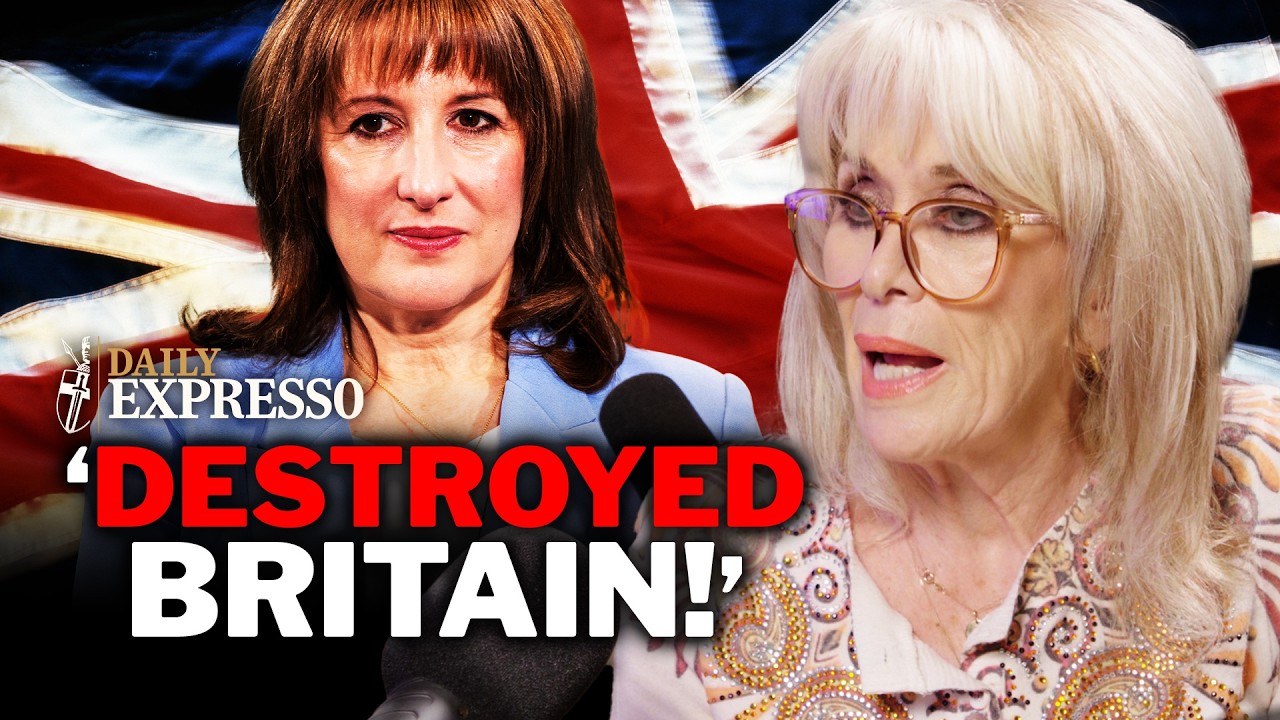
A Transatlantic Dispute Emerges Over the Iran Conflict
A sharp diplomatic rift has emerged between Washington and London after the British government initially refused to allow United States forces to launch strikes on Iran from UK-controlled military bases. The disagreement, which unfolded during rapidly escalating tensions in the Middle East, has exposed growing strain in the long-standing “special relationship” between the United Kingdom and the United States.
The dispute centres on a critical decision by British Prime Minister Keir Starmer during the early phase of the latest military confrontation involving Iran. As the United States prepared a coordinated operation targeting Iranian military infrastructure, Washington requested access to several strategic bases connected to the UK, including facilities in the Indian Ocean and Cyprus. These bases have historically played a key logistical role in Western military operations across the Middle East.
However, Downing Street initially declined the request. British officials argued that the government needed to carefully examine the legal basis and strategic implications before permitting British territory or military facilities to be used in offensive operations against Iran. According to reports, Starmer insisted that the United Kingdom would not participate in or facilitate military action that might violate international law or trigger uncontrolled regional escalation.
Tensions With Washington Quickly Escalate
The hesitation from London drew an unusually direct response from the White House. D.o.n.a.l.d T.r.u.m.p publicly expressed disappointment with the British decision, stating that the delay in approving the request was unprecedented between the two long-standing allies.
In interviews with international media outlets, the American president suggested that the refusal had complicated operational planning and forced US forces to rely on alternative staging points in the region. American officials privately indicated that rapid access to allied bases is often essential in time-sensitive military operations.
The remarks quickly became a political flashpoint in Britain. Critics from opposition parties argued that the hesitation risked damaging the credibility of the UK as a reliable security partner. Others defended the government’s cautious approach, warning that Britain should avoid being drawn into another major Middle Eastern conflict without clear strategic objectives.
Britain’s Legal and Strategic Concerns
Prime Minister Starmer defended the government’s stance during a debate in Parliament, emphasising that decisions about military cooperation must be guided by national interest and international law rather than external political pressure.
He told MPs that the United Kingdom does not support the concept of “regime change from the skies,” signalling concern about the broader strategic implications of attacking Iran directly.
The caution reflects long-standing political sensitivities in Britain following the Iraq War, which remains a controversial chapter in UK foreign policy. Many policymakers fear that participation in another US-led military campaign in the Middle East could lead to prolonged instability, legal challenges, and domestic political backlash.

Starmer’s government also faced practical concerns about the safety of British personnel and civilians in the region. Approximately 200,000 British citizens are estimated to be living or working across Middle Eastern countries potentially exposed to retaliatory strikes from Iran.
A Partial Reversal: Defensive Operations Approved
As the situation intensified, the British government eventually authorised a limited form of cooperation. London approved the use of British bases for defensive operations targeting Iranian missile launch sites or storage depots that posed an immediate threat to allied forces or civilian populations.
Officials stressed that the decision did not represent participation in the original offensive strikes carried out by US and Israeli forces but rather a collective self-defence measure aimed at preventing further attacks across the region.
The shift reflected the growing security concerns following Iranian retaliatory actions in the Gulf and surrounding areas. Iranian missiles and drones targeted several locations linked to Western military infrastructure, including sites where British personnel were stationed.
Escalation Across the Region
The broader conflict has already spread across multiple fronts. Iranian retaliatory strikes have targeted installations linked to the United States and its allies in Bahrain and elsewhere in the Gulf, highlighting how rapidly the confrontation could expand.
Meanwhile, tensions intensified further after a drone attack struck near the RAF Akrotiri base in Cyprus, a critical British military facility used for surveillance and air operations in the Middle East. The incident prompted heightened security measures and renewed debate inside the UK about the country’s exposure to the widening conflict.
Military analysts warn that such bases could become primary targets if hostilities escalate further between Iran and Western forces.
Political Fallout in the United Kingdom
The dispute with Washington has triggered intense political debate inside Britain. Opposition figures and some security commentators have accused the government of undermining the credibility of the UK as a military ally, arguing that hesitation during critical moments could weaken NATO’s strategic cohesion.

At the same time, many defence experts and former military commanders have defended the prime minister’s cautious approach, noting that premature involvement in military escalation can have unpredictable long-term consequences.
The issue has therefore evolved into a broader question about Britain’s global role: whether the country should continue acting as a close operational partner of US military strategy or adopt a more independent foreign policy posture.
The Future of the “Special Relationship”
Despite the public disagreement, officials on both sides of the Atlantic have attempted to downplay the long-term implications of the dispute. British leaders emphasise that intelligence sharing, military coordination, and diplomatic cooperation between the two countries remain strong.
Nevertheless, the episode has revealed how geopolitical crises can quickly test even the closest alliances. The decision over military base access, once considered a routine aspect of transatlantic defence cooperation, has become a symbol of deeper questions about strategy, sovereignty, and international law.
With tensions in the Middle East continuing to evolve and Iranian retaliation still unfolding, the pressure on the UK government to clarify its position—and its willingness to support US operations—appears unlikely to fade anytime soon.